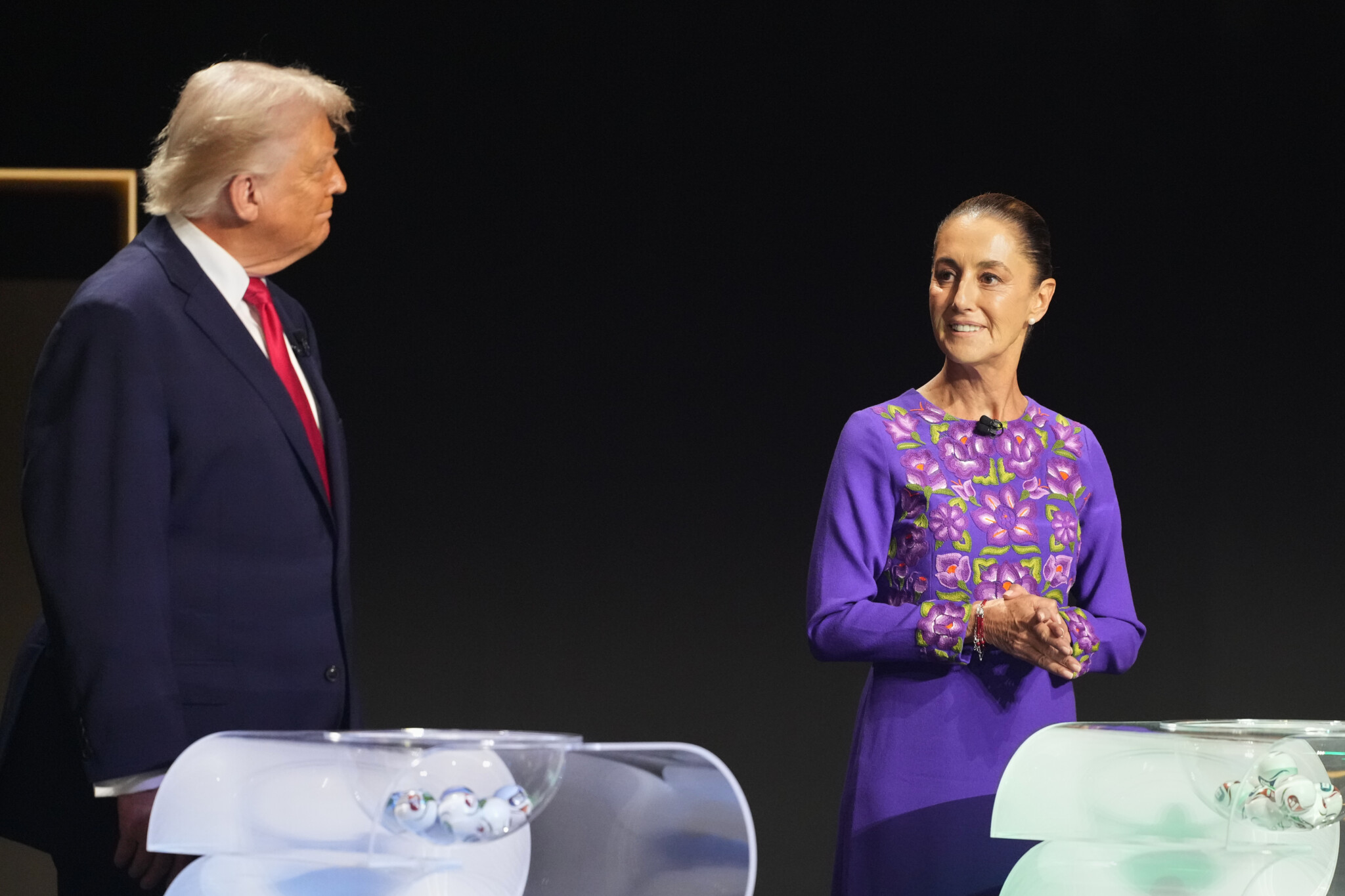
‘Mexico is better placed than we are’: What happens if Trump cuts Canada out of CUSMA?
You can listen to this episode on Amazon, Apple, and Spotify.
Episode Description
Rudyard Griffiths and Sean Speer discuss reports that the Trump administration plans to negotiate separately with Canada and Mexico on CUSMA, rather than trilaterally. They examine how this strategy maximizes U.S. leverage, the implications of prolonged trade uncertainty for Canadian investment and manufacturing, and why Mexico appears better positioned in its relationship with Washington.
Episode Summary
The Trump administration has decided to pursue separate trade negotiations with Canada and Mexico rather than renegotiating the Canada-United States-Mexico agreement (CUSMA) as a trilateral deal. This strategic shift represents a significant departure from the integrated approach that has characterized continental trade relations and signals a potentially lengthy period of economic uncertainty for Canada.
The decision to split negotiations reflects distinct grievances the administration holds with each country. By negotiating separately, the United States aims to maximize its leverage with both nations individually, preventing them from coordinating defensive strategies. This approach mirrors tactics used during previous trade negotiations when bilateral deals were pursued to isolate negotiating partners.
The implications for Canada appear particularly challenging. Initial expectations that trade issues might be resolved quickly have given way to predictions of protracted and difficult negotiations. Canadian officials are reportedly preparing for an extended period of contentious discussions with a hostile American administration. The timeline for resolution, once optimistically projected for last summer and fall, now appears to stretch potentially for months or even years.
This extended uncertainty arrives at an inopportune moment for the Canadian economy. Recent indicators show concerning trends, including rising unemployment in manufacturing sectors and stagnant economic growth. Some analysts suggest the country may already be experiencing a technical recession. The prolonged ambiguity about access to the American market threatens to compound these economic challenges.
The core concern centers on investment decisions and capital flows. Canada’s economic attractiveness has long rested on guaranteed low-tariff access to the American market through integrated production supply chains. Even without immediate tariff implementation, the looming possibility of trade disruption may freeze capital investment and influence companies to relocate operations to the United States as an insurance policy. Businesses making decisions about research and development mandates or new production facilities may increasingly preference American locations to ensure continued market access regardless of negotiation outcomes.
The political calendar adds another layer of complexity. American midterm elections could influence the timing and nature of any trade agreements. However, some observers suggest the administration may pursue aggressive moves sooner rather than later, potentially accelerating trade confrontations before electoral considerations become paramount. The ongoing uncertainty itself may serve administration goals of encouraging manufacturing employment and production to shift from Canada to the United States.
The contrasting approaches of Canada and Mexico to bilateral relations with Washington have become increasingly apparent. Mexico has adopted a more accommodating stance, making compromises on border security and other bilateral issues. This pragmatic approach appears to have yielded better diplomatic relations, reversing traditional assumptions about which country would face greater friction with American negotiators.
Canada’s response has been characterized by heightened nationalism and emotional reactions to American pressure. This dynamic may complicate negotiations compared to Mexico’s more workmanlike approach. Historical precedent suggests caution, as Mexico previously secured its own bilateral agreement during earlier trade negotiations, leaving Canada to negotiate separately.
This summary was prepared by NewsBox AI. Please check against delivery.


Comments (0)