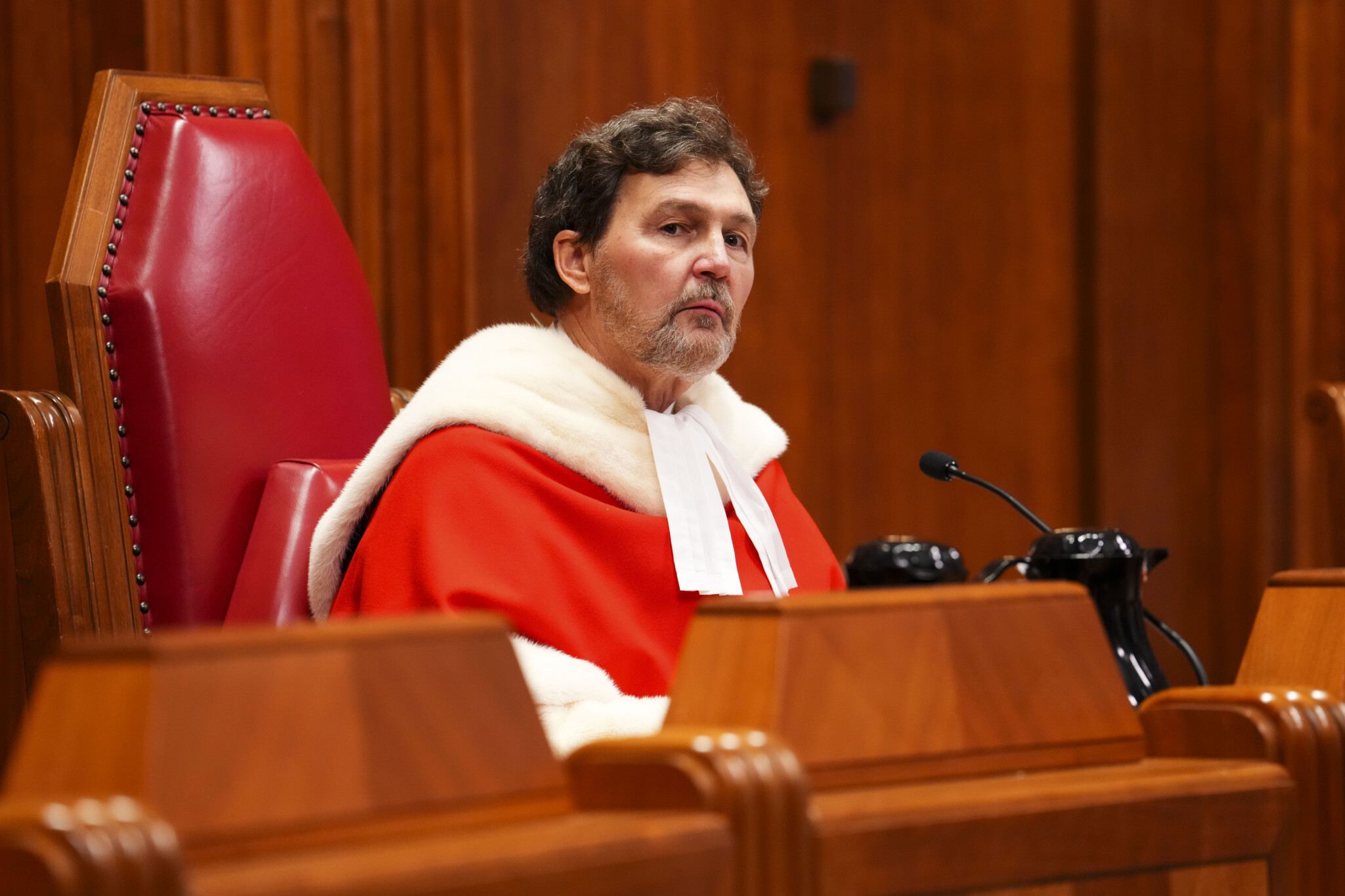
Should judges ignore past precedents—simply because they are old? What would happen to the rule of law if justices jettisoned statutes simply because they pre-date the Canadian Charter of Rights and Freedoms?
During an appearance to discuss the work of the Supreme Court, Chief Justice Richard Wagner made a remarkable admission. In French, Wagner asserted that old Supreme Court decisions—still the law, at least in some cases—are merely part of our “legal cultural heritage.” Chalking it up to the supremacy of the more recent Charter of Rights and Freedoms, Wagner asserted that “no one today [would] refer to a precedent from 1892 to support their case.” Apparently, our legal system completely transformed without anyone knowing it, rendering all of these “old”—read “bad”—cases null.
It is always risky to make too much of an isolated comment. But taking him at his word, Wagner may be right. Given the Court’s frequent changes of mind about its own cases, it’s understandable that litigants might believe they should only rely on the latest rulings.

If this is so, the bar should be alert. The Supreme Court was not birthed from thin air. It is an institution that decides cases, with parties in front of it, and is bound by rules in doing so. One of those rules is fundamental. Until overturned, implicitly altered through other judicial decisions, or otherwise changed by legislation, courts follow their own past cases—even old cases decided based on since-repealed laws. This is known as stare decisis.
Once upon a time, the Supreme Court took this seriously.