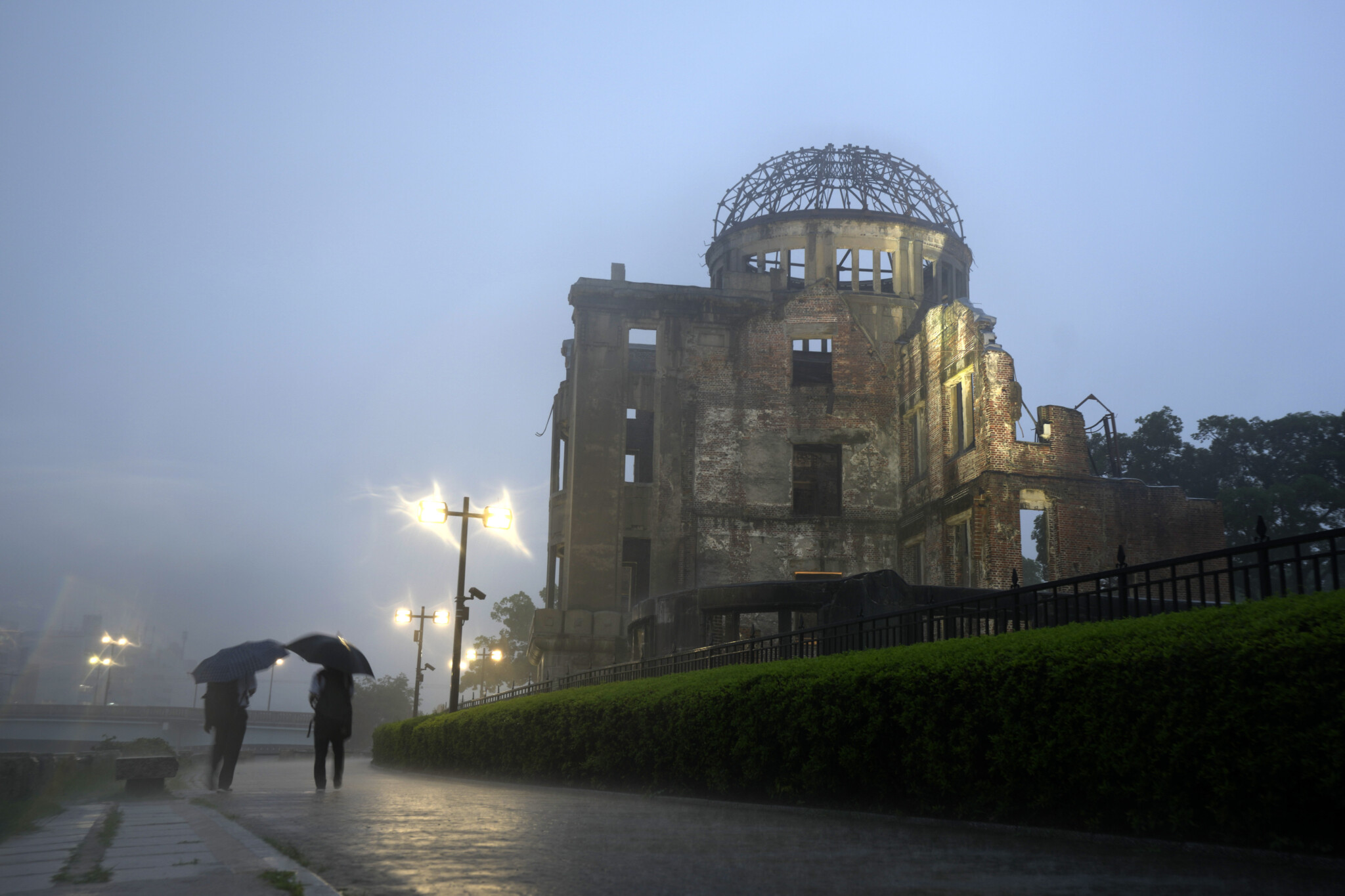

Today marks a somber inflection point in world history: the 80th anniversary of the atomic bombing of Hiroshima. Last year, the Nobel Prize Committee selected the Japanese organisation Nihon Hidankyo, also known as the Hibakusha, for the 2024 Peace Prize. That the award was given to this group—a grassroots movement of atom bomb survivors whose mission is to ensure that the strikes’ devastating legacy is not forgotten—was in part due to the reality that the last survivors of the attack who can tell their story are dwindling in number. While some survivors remain, the decision-makers and leaders at the time of the bomb’s use have long since passed away, the last being Emperor Hirohito in 1989.
Telling the historical legacy of the bombings now passes to subsequent generations, though the story these days often strays beyond simply commemorating the event as other political objectives rise to the fore. Much of the current-day public commentary on the matter focuses on the validity of using the bomb, either focusing on the defeated state of Japan or the simultaneous entry of the Soviet Union into the Pacific War on August 9th, which perhaps obviated the use of the bomb altogether.

In Canada, the argumentation on this issue is typically united on the side that using the bomb was bad. A few years ago, Taylor Noakes in the Toronto Star rehashed the argument that the bomb’s use was primarily driven to warn the Soviet Union from further expansionist efforts in Asia. Even in the National Post, opinion writer Tristan Hopper highlighted the argument that the Soviet invasion of Manchuria was really the catalyst for Tokyo’s surrender.
Unfortunately, time has not brought clarity to this debate, as more historiography has served to illuminate more details, provide more perspectives and nuanced understandings, and, in the end, has left a very messy picture of the deliberations and events surrounding the end of the world’s most destructive conflict.