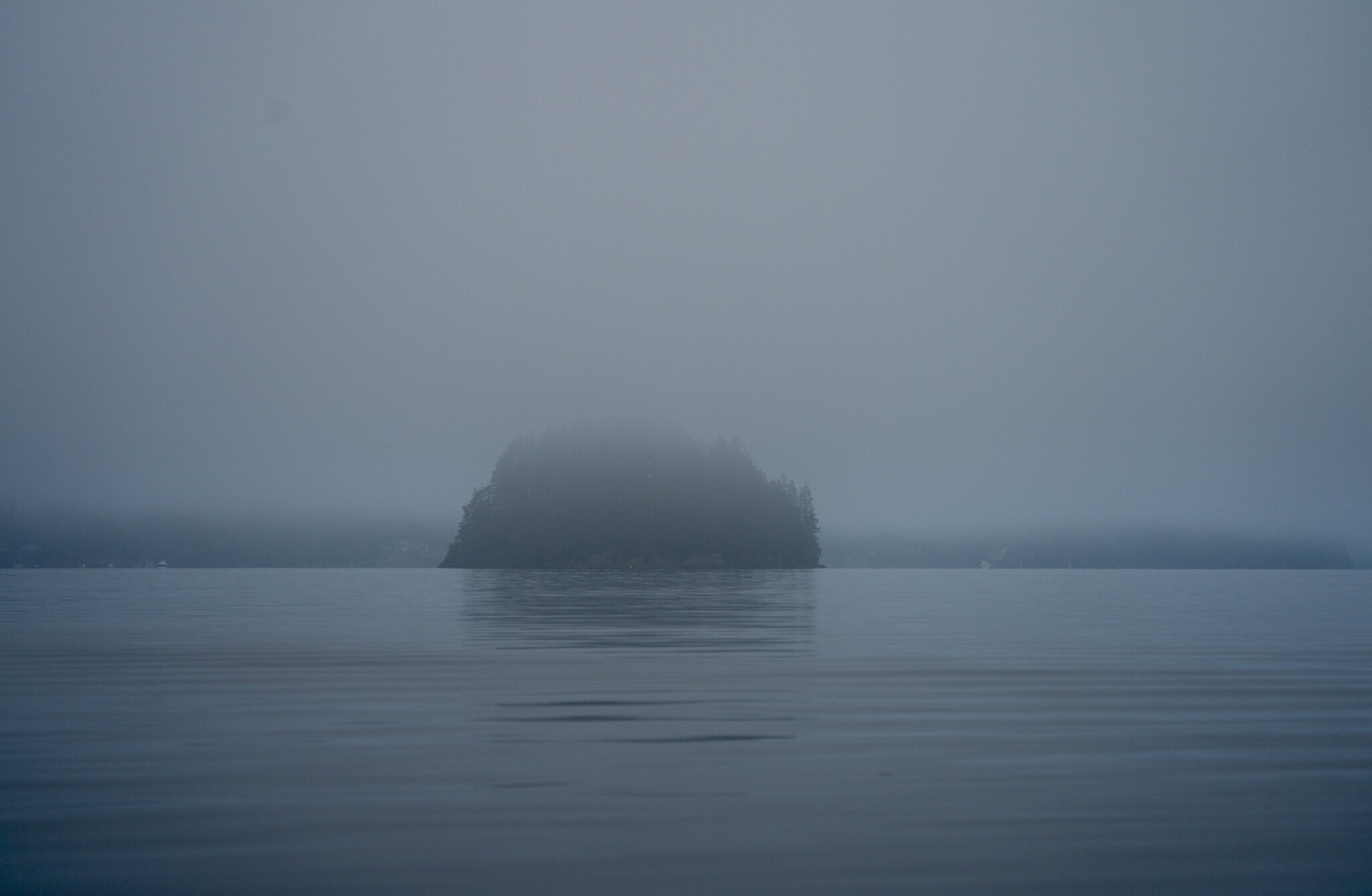

Recently, I came across a curious phenomenon in the history of cartography: the case of un-discovered islands, sometimes called phantom islands. Not to be confused with an undiscovered island, which by definition cannot appear on a map, an un-discovered island is one that was once believed to exist and faithfully recorded and mapped, but upon further exploration could not be found where it was supposed to be—if it ever existed at all.
In some cases, an un-discovered island may once have existed but, due to rising seas or seismic activity, has since sunk beneath the waves. In other cases, breakers on a submerged reef, floating debris, or even an atmospheric mirage may have been misidentified as an island from afar. In a few especially strange cases, we can only guess at the source of the mystery. Be it due to error, legend, or whimsy, all we know is that a named island appeared on maps for decades or centuries where there is now no trace of land.
Most un-discovered islands are in far-flung and rarely visited corners of vast oceans, where misidentification or mapping errors can be forgiven, but we have at least two un-discovered islands of our own in Canada. The Isle Phelipeaux was named in the Treaty of Paris (1783) as a demarcation point of the lacustrine border between the British colonies and the United States in Lake Superior, but no one can seem to find it today. Then there is the irresistibly named Isle of Demons, which was supposed to lie off the coast of Newfoundland. If it ever did, it does no longer.

The (non-)existence of un-discovered islands put me in mind of other things we may once have thought we knew, but about which we are no longer quite so sure. In politics, changes in public opinion have a way of undoing a supposed consensus, and political parties that stake a confident claim to an issue they believe to be etched permanently on the political landscape may later find that they have planted their flag on a shifting sandbank of popular opinion.
As with phantom islands, sometimes an un-discovered political consensus turns out to have been misidentified, either erroneously or willfully. This seems to have been the case with the participation of biological men in women’s sport and locker-rooms, where what some political parties believed was a political consensus in favour of “inclusion” has been un-settled by the public’s sense of fairness and propriety.