Canada’s nuclear sector is one of the nation’s most strategic economic assets. As the world looks for ways to meet increasing energy demands, nuclear stands as not only the best source of clean, reliable electricity, but also as an unrivaled source of job creation. Few industries can compete with nuclear’s ability to create highly skilled, good-paying jobs that are sustained for generations.
The Canadian Nuclear Association (CNA) has studied the nuclear industry’s role in domestic job creation. In 2024, the CNA found that 89 percent of nuclear jobs were classified as high-skill roles and spanned the entire career spectrum from professional positions requiring university degrees to specialized technical trades. In addition, the Canadian nuclear workforce grew 17 percent from 2019 to 2024 because of successful plant refurbishment projects and broad renewed interest in nuclear. This growth contributed $22 billion to Canada’s economy.
With the imperative in Canada to build multiple gigawatts of new nuclear generation, the nuclear supply chain will solidify its role as one of the most sustainable job engines in the country. One way to illustrate the impact of this economic activity is through the example of how Westinghouse Electric Company (Westinghouse) engages the Canadian supply chain.

Canada’s existing role in AP1000 projects
Westinghouse has been a partner in Canada’s nuclear industry for more than 40 years. During that time, the company has engaged with more than 650 Canadian suppliers.
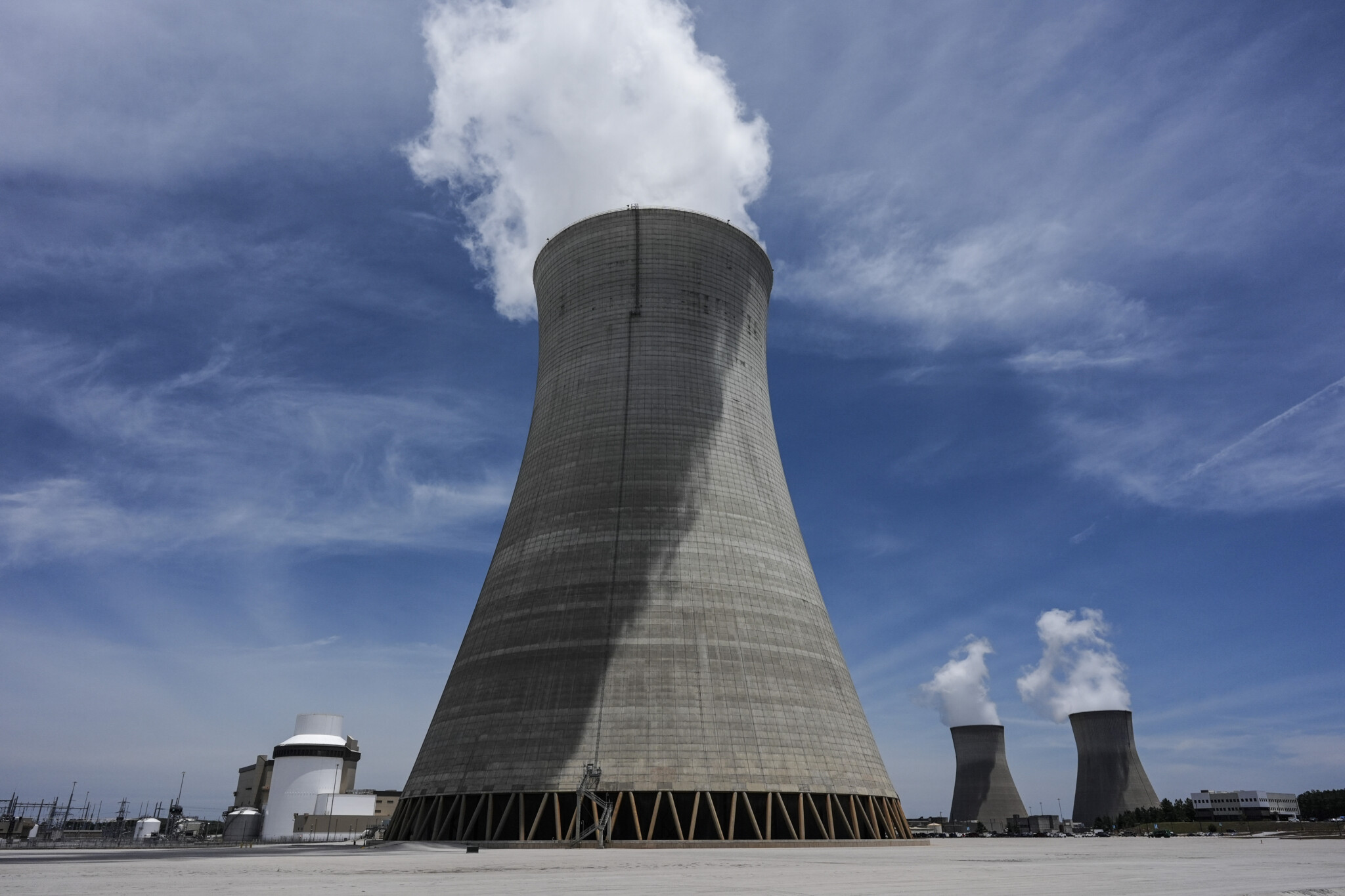
Canadian suppliers are an important part of delivering the proven, advanced AP1000 modular reactor and servicing the fleet worldwide. In fact, the Canadian supply chain contributed to the deployment of the AP1000 units that are operating at Plant Vogtle in Georgia, supplying components, engineering services, and materials. Westinghouse also continues to engage new Canadian firms in its global AP1000 supply chain. During the past year alone, Westinghouse has signed 19 additional agreements with Canadian suppliers to support future AP1000 projects.
Accelerating domestic job creation
Reflective of a “buy where we build” philosophy, and because Canada’s supply chain is already embedded in Westinghouse projects across the globe, these suppliers will play a major role in all domestic AP1000 projects as well. For example, a four‑unit AP1000 build in Ontario would create an annual workforce of 8,000 during construction, while generating more than $28 billion in national GDP. Job creation extends far past construction, with ongoing operational jobs required during the plant’s entire 80-year lifetime. This means that a four-unit plant would create 12,000 high-skilled jobs and generate roughly $8 billion of economic impact annually for four generations.
These figures represent good-paying jobs to support Canadian families and significant tax revenue to invest back into communities. Nuclear investment also has a multiplier effect by fostering innovation, supply chain resilience, and export growth.

Global market access and export opportunities
Canadian companies stand to benefit from the more than 30 AP1000 units now underway or under consideration globally. Each new AP1000 unit built abroad will create approximately 4,000 jobs in Canada, while delivering around $1 billion in domestic GDP. Canadian suppliers are well-positioned to support the current and potential builds in Europe, North America, and the U.K. In fact, Westinghouse is currently working to ensure Canadian supplier participation in its Polish AP1000 project through an Export Development Canada initiative.
Notably, involvement in AP1000 projects gives Canadian suppliers the ability to extend their support of heavy water reactors to light water nuclear technologies. This means Canadian suppliers would gain significant export opportunities by supporting more types of nuclear technology in Europe, the U.S., and beyond. This will significantly strengthen Canada’s nuclear ecosystem by building new competencies and creating more high-skilled, high-paying jobs.
Capitalizing on Canada’s nuclear opportunity
Canada’s nuclear supply chain is poised to experience significant growth amid a global nuclear renaissance. Part of this growth will include thousands of high-skilled jobs and billions in economic value derived from Canada’s participation in AP1000 projects at home and abroad. By leveraging its established expertise and expanding into diverse technologies and projects worldwide, Canada can reinforce its leadership in the nuclear sector.
Beyond job creation, what other economic benefits does Canada's nuclear sector offer?
How does Canada's nuclear industry contribute to a 'buy where we build' philosophy?
What is the long-term economic impact of a four-unit AP1000 nuclear plant in Canada?