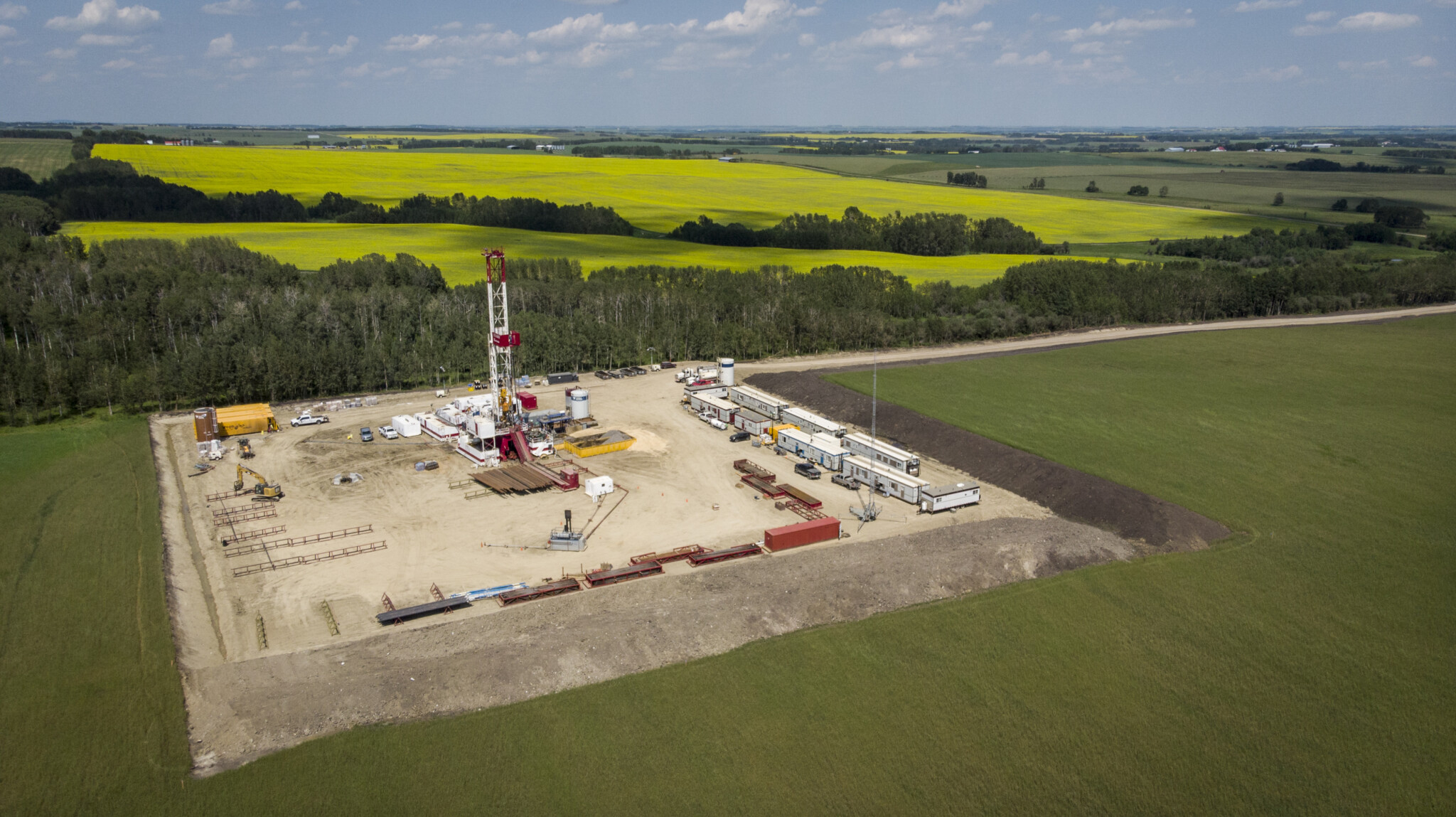

Just a few weeks ago, Prime Minister Mark Carney and Alberta Premier Danielle Smith signed a memorandum of understanding that set off predictable fireworks. Environment Minister Steven Guilbeault resigned in protest, calling it a “fire sale rather than a grand bargain” that sells out key climate measures.
In the agreement, Alberta and Canada recommit themselves to reducing emissions and achieving net zero by 2050, while also calling for significant increases in oil and gas exports. Are these goals compatible?
A new paper I co-authored with Arash Golshan for the Public Policy Forum and the Canadian Chamber’s Future of Business Centre tries to answer exactly that. Refuel: What Canadian LNG and Oil Exports Could Mean for Global Emissions concludes that while more Canadian exports are not automatically “good for the planet,” under the right conditions, they can lower global emissions compared with the most likely alternatives.

Start with liquefied natural gas. British Columbia’s LNG projects are among the cleanest in the world. LNG Canada’s facility emits less than half of the global average of carbon dioxide equivalent. Proposed projects like Cedar LNG and Ksi Lisims would be cleaner still, powered entirely by B.C.’s hydroelectric grid.
The math gets interesting when you follow that gas to its destination. Delivered to China for power generation, B.C. LNG produces an estimated 74 kilotonnes of CO₂ per terawatt hour of electricity. U.S. Gulf Coast LNG comes in at about 124 kilotonnes per terrawatt hour, or roughly 40 percent higher. The advantage comes from cleaner production, lower methane leakage, and shorter shipping distances to Asian markets.
Can Canada's cleaner oil & gas exports truly lower global emissions, or is this a 'fire sale' for climate goals?
Is the MOU's suspension of emissions caps a step back for climate action, or a pragmatic move for global impact?
Should Canada prioritize exporting its 'cleanest' fossil fuels, or focus solely on renewables for climate leadership?






Comments (2)
We must stop pushing one fossil fuel over another in an effort to appease the oil spitters. It won’t happen. Look at what happened to the BC forest industry over the last 30 years to see what happens when you try to accommodate zealots. The goal posts are always moving.