Polish off your crystal balls, consult the stars, call up the scryer in your life—2025 is creeping to a close, and it’s time to turn our attention to what’s to come in 2026. But if the future still feels fuzzy, don’t panic: The Hub has you covered. Once again, our best prognosticators are here to provide some foolproof predictions for the headlines and happenings ahead.
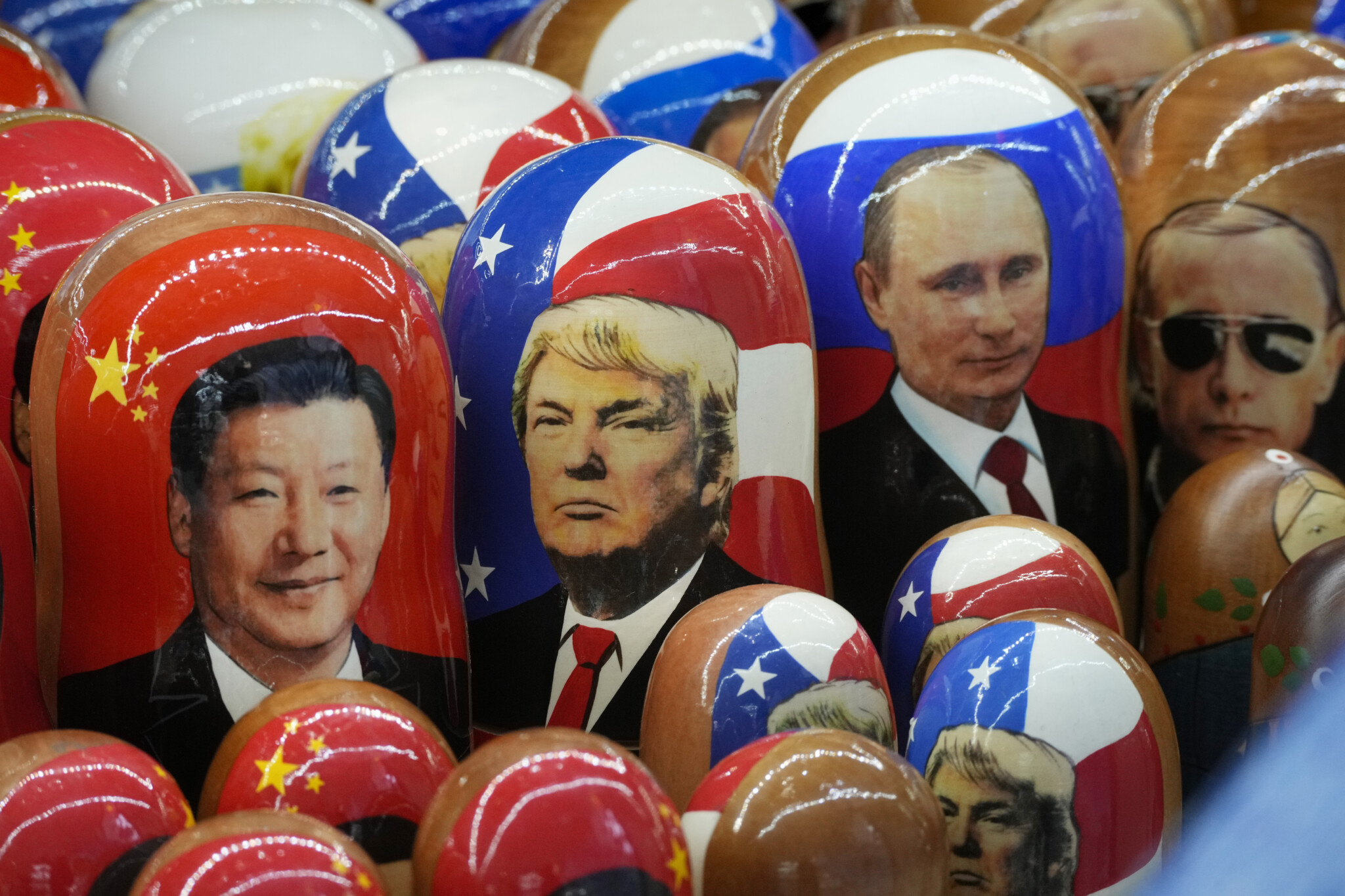
The clash of the strongmen
By Amal Attar-Guzman, The Hub’s content editor, content manager, and podcast producer
As the year comes to a close, the U.S. military has been busy attacking Venezuelan boats in Caribbean waters, boats deemed by the Trump administration to be used in drug-smuggling operations. U.S. Secretary of War Pete Hegseth has justified these strikes, claiming that “President Trump can and will take decisive military action as he sees fit to defend [the U.S.’] interests.”
There have been legal and moral questions surrounding the legality of these strikes. And while U.S. politicians, officials, international legal experts, and media pundits debate them—and the spectre of an all-out war—one thing remains clear: a new era of the strongman is here.
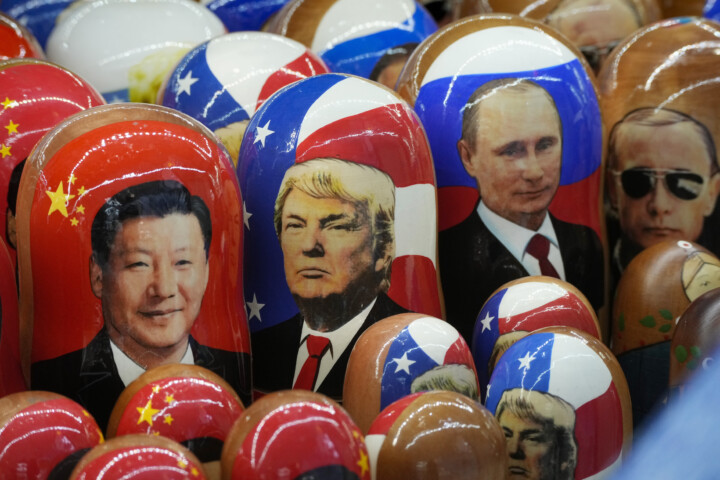
It was only a matter of time for Trump to make a tangible show of strength. Putin has been doing so in Europe. Xi does likewise in Asia. And while there have been strongman figures throughout the Americas in the last few years, Trump aims to show them who the big boss is, adding his name to that ignominious list.
View reader comments (0)
Each appears to be playing nice with the others—for now. Trump has been providing leeway for Putin to achieve his territorial ambitions during the Russia-Ukraine war negotiations, despite Russia being the primary aggressor. His administration’s National Security Strategy contains no mention of China as a great power competitor, only as an economic competitor.
At the same time, the NSS calls for an essential return of the “Monroe Doctrine on steroids,” with U.S. military control throughout the Americas and the Western hemisphere.
To this end, Trump, as mentioned, has been directly attacking Venezuelan President Maduro. In response, Maduro appears ready to de-escalate and is trying to appeal to American voters. China has close ties with Venezuela, and the U.S. has close economic ties with Taiwan—will Xi and Trump reach an understanding on a quid pro quo: Taiwan for Venezuela, perhaps?
While each may carve the world into regional hemispheres, who’s to say that this “agreement” among the world’s most powerful strongmen will last long? The Arctic is fertile ground for major clashes as the U.S., Russia, and China have vested interests in this fertile ground of critical minerals. All in all, expect regional insecurity to only exacerbate in 2026.
Unemployment will become unescapable, and quality will matter more again
By Sabrina Maddeaux, political columnist and director of communications at Global Public Affairs
1. Get ready to hear a lot about unemployment
Long-term unemployment will become a major political issue and destabilizing force in 2026. Unemployment has been on a steady surge, particularly for youth and workers in their 20s and early 30s, but the most concerning trend is the increase in long-term joblessness, defined as six months or more.
Economic uncertainty and the rise of artificial intelligence are a damaging duo, as is the state of modern job searching, which can only be described as hellacious—job seekers submit dozens, if not hundreds, of applications, only to encounter fake postings, be ghosted by employers, and endure months-long interview processes to nowhere.
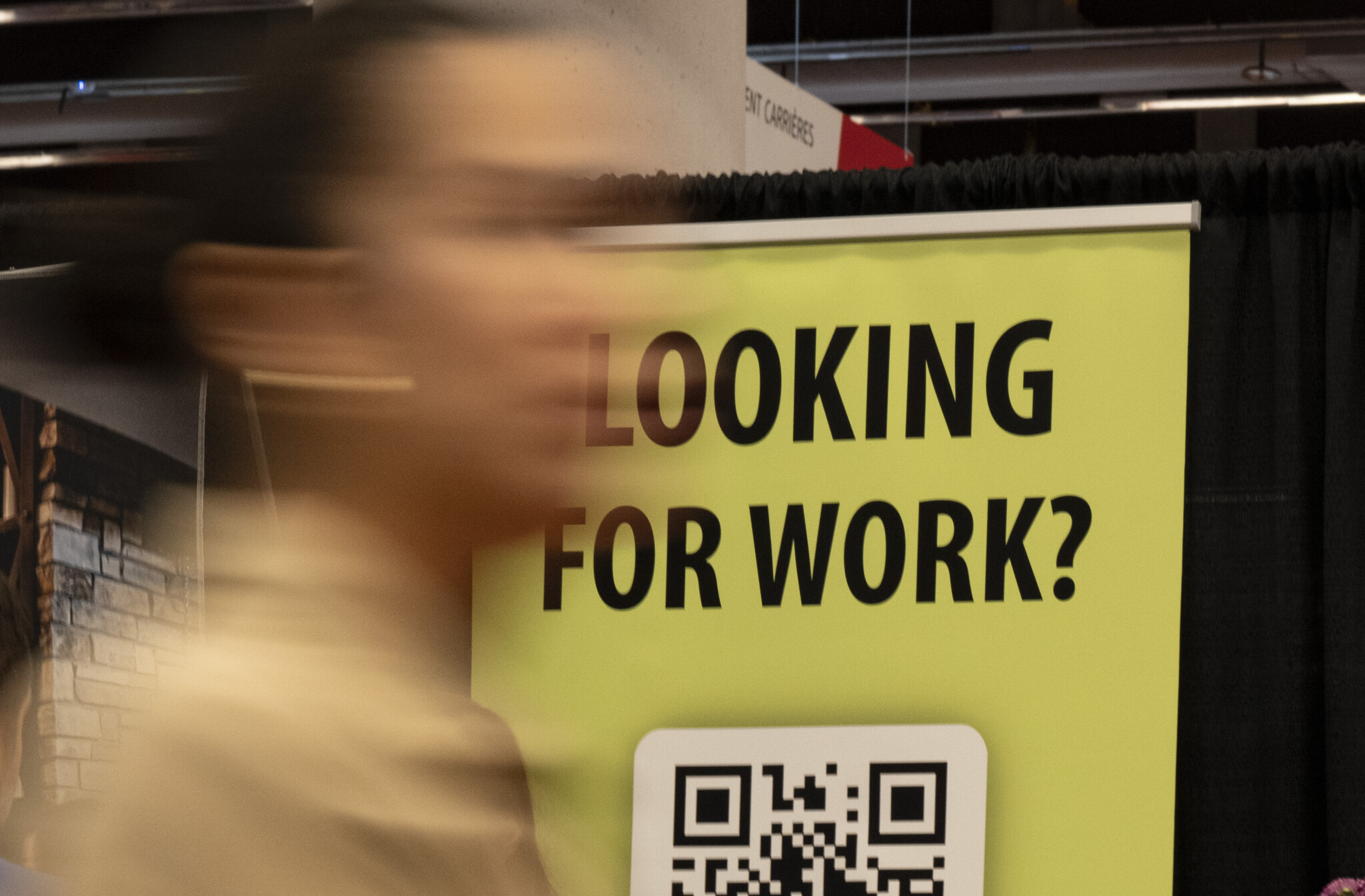
People attend a job and continuing education fair in Montreal, Thursday, Oct. 5, 2023. Christinne Muschi/The Canadian Press.
“Who you know” has always mattered, but we’re crossing the Rubicon from a healthy networking culture to one baked in nepotism and patronage. Young Canadians already feel robbed of economic opportunities, largely thanks to the housing crisis. Now, meritocracy and opportunity are disappearing from the labour market, too. Not just economically damaging, long-term unemployment also increases social isolation, which perpetuates the cycle.
Expect disillusionment, resentment, and radicalization among this cohort to increase. Policy-wise, there will be louder calls to clamp down on immigration, open up markets, regulate employers, and reform unemployment supports. Parties on both the Right and Left sides of the aisle will have opportunities to tap into economic populism and make gains if they have the courage to propose bold solutions.
2. Consumers will rethink value in 2026
It may seem paradoxical in a bad economy and cost-of-living crisis, but the constant cheapening (or, as some would say, “enshittification”) of everything is wearing people down. The rise of AI slop and ubiquitous scam culture compounds this. Price will still matter, but people and businesses will become more conscious of value beyond the price tag or service fee. Quality, expertise, and creativity will matter more again. This will transfer to the political sphere in how voters perceive and evaluate not just policy ideas and public projects, but politicians themselves.
How might the rise of 'strongmen' leaders impact global stability and regional conflicts in 2026?
What are the primary drivers behind the predicted surge in long-term unemployment in 2026?
Beyond price, what factors will consumers and voters prioritize in 2026, and why?




Comments (0)