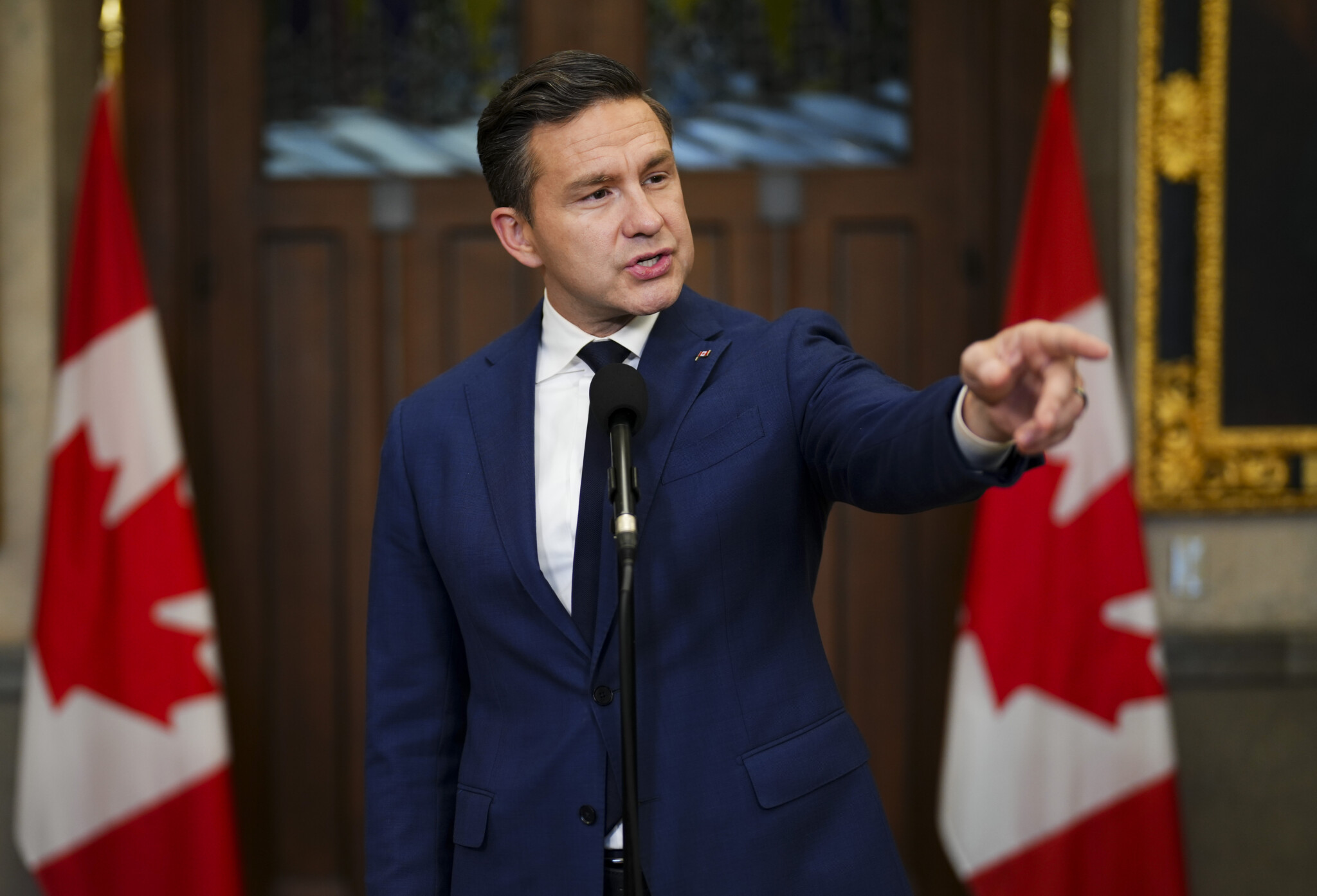
- Pierre Poilievre's electoral success hinges on voters believing he is impatient on their behalf, not on gaining their admiration.
- Poilievre's personal favorability and preferred prime minister numbers lag behind Mark Carney, despite high concerns about affordability and economic insecurity.
- Attempting a personality makeover is unlikely to work, as voters are resistant to such changes, especially when impressions have hardened.
- Poilievre should reframe leadership from reassurance and stability (Carney's strength) to urgency and impatience, resonating with frustrated younger voters.
- His existing traits of sharpness and relentlessness can be assets when interpreted as impatience with the status quo, rather than negativity.
- The strategic objective should be to connect every critique to the lived experience of delay and falling behind, positioning leadership as being restless for change.
Pierre Poilievre does not need Canadians to love him. He does not need to be admired, celebrated, or embraced as a unifying national figure. What the federal Conservative leader needs is far simpler and, in this moment, far more attainable: He needs voters to believe that he is impatient on their behalf.
That distinction matters because Poilievre’s central political challenge as we enter 2026 is not awareness or even ideological resistance. It is affect. His personal favourability numbers remain negative to almost everyone outside the Conservative universe, and on the question of who Canadians prefer as prime minister, he trails Mark Carney by a wide and persistent margin.
Our polling from late last year, for instance, showed that 30 percent of Canadians claim to like Poilievre’s personality and his ideas, compared to 40 percent who felt the same about Carney. Additionally, 38 percent of Canadians say they dislike both Poilievre’s ideas and his personality, while 27 percent say the same of Carney.
Those gaps have proven resilient, even as concern about affordability, housing, and economic insecurity remains high. In other words, the conditions that should favour an opposition leader are present, but the emotional connection is not.

This is where some analysis is mistaken. It assumes the solution to the leader’s favourability problem is his softening, smoothing, or reintroducing himself as someone more like the person who is beating him. That path is tempting but often futile.
Voters are remarkably resistant to personality makeovers, especially when impressions have hardened over years, as they have with Poilievre. They can see right through them.
Poilievre’s brand is already well-formed in the public mind. Trying to persuade Canadians that he is stoic or reassuring is unlikely to work and may even reinforce doubts about his authenticity.
Can Pierre Poilievre win by embracing impatience, or is a personality shift necessary?
How does the article suggest Poilievre should reframe his leadership to resonate with frustrated voters?
What is the core challenge Poilievre faces, and how does the article propose he overcome it?




Comments (8)
I’ve been waiting for an article like this. It’s spot on. I’m a boomer and believe Liberal policies are something to be angry and impatient about if the electorate wants a prosperous independent country. The country needs dynamism not a euro banker to move the country forward in a rapidly changing world.