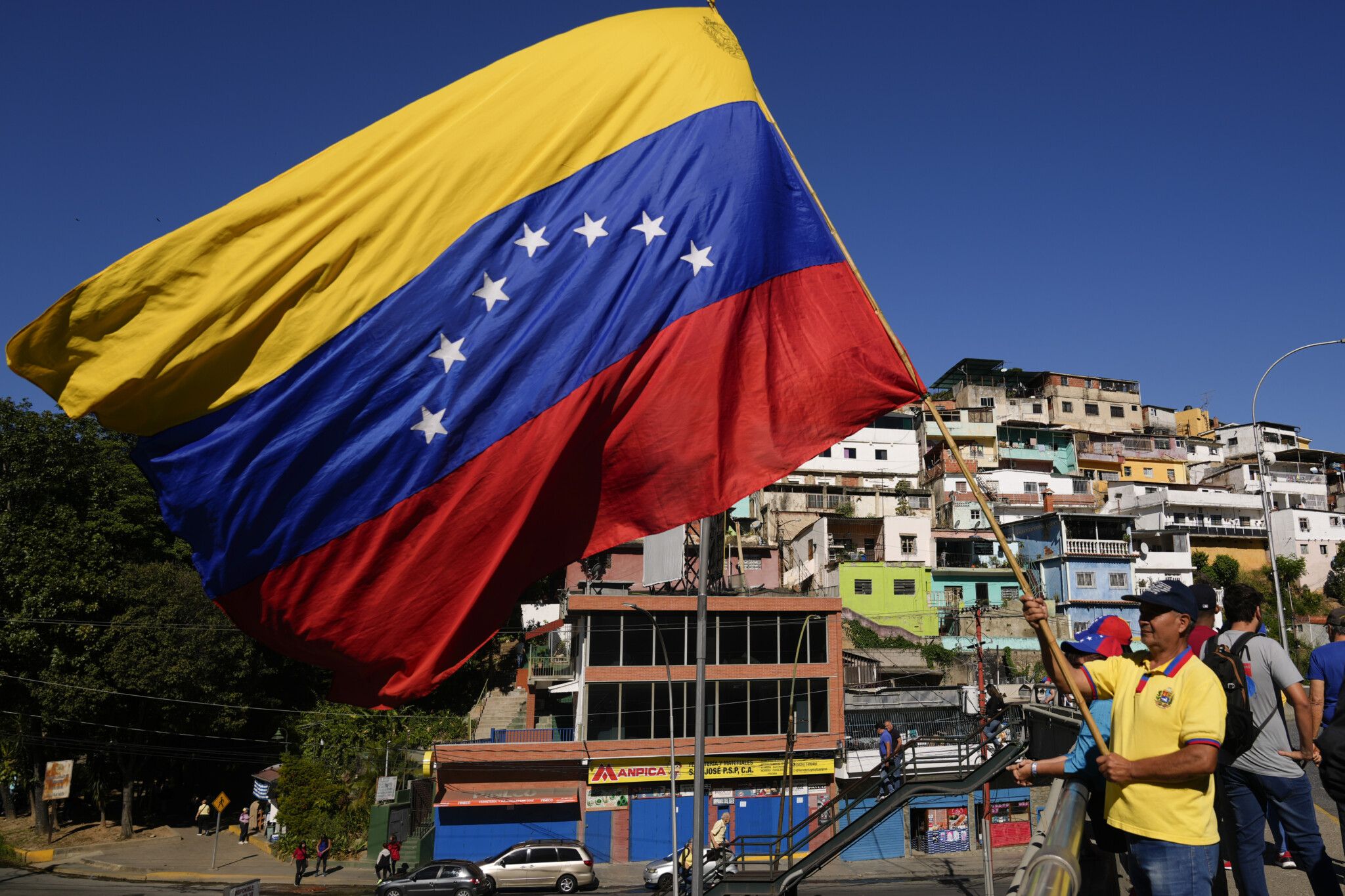
The deposition of Nicolás Maduro, coupled with Donald Trump’s talk of “running” Venezuela, has revived an old anxiety around whether a return of Venezuelan heavy crude could displace—or gut—Canadian oil.
At a glance, the fear is understandable.
Crude from Venezuela’s Orinoco Belt is chemically similar to Alberta’s oilsands bitumen. Both are dense, sour barrels that require complex refineries with cokers to process them into lighter, usable fuels like diesel and gasoline.
In oil market terms, they are close cousins.
And many of the refineries built to handle that kind of sludge-like crude sit along the U.S. Gulf Coast. For decades, those facilities were fed by Venezuelan supply, a relationship that dates back to the Cold War and long predates today’s political drama.
In that sense, Canada’s rise as a dominant heavy oil supplier was partly a matter of geopolitical convenience.
The collapse of Venezuela’s oil sector under Hugo Chávez and later Maduro—driven by nationalization, sanctions, mismanagement, capital flight, and a devastating brain drain—created a vacuum Canadian barrels moved in to fill, just as Mexican heavy crude production was also declining due to a mix of fiscal and capacity constraints.

Over time, that shift helped entrench a symbiotic relationship between Alberta producers and U.S. refiners, especially in the Midwest.
Unwinding that relationship would be a tall order, and unlikely to happen within Trump’s remaining term.
Most serious assessments suggest it would take tens of billions of dollars (or a whole lot more!) and significant time to materially lift Venezuelan production. But energy infrastructure operates on a long timeline measured in decades. That’s why the latest developments abroad still merit close attention in both Alberta and Ottawa.
How directly do Venezuelan and Canadian barrels compete?
Very directly.
Once blended for transport, Venezuelan and Canadian heavy crudes are similar enough that refiners with the right equipment treat them as substitutes or rivals. And because only a limited number of U.S. refineries can handle heavy barrels, those supplies would, in theory, compete for the same buyers.
But theory only gets us so far.
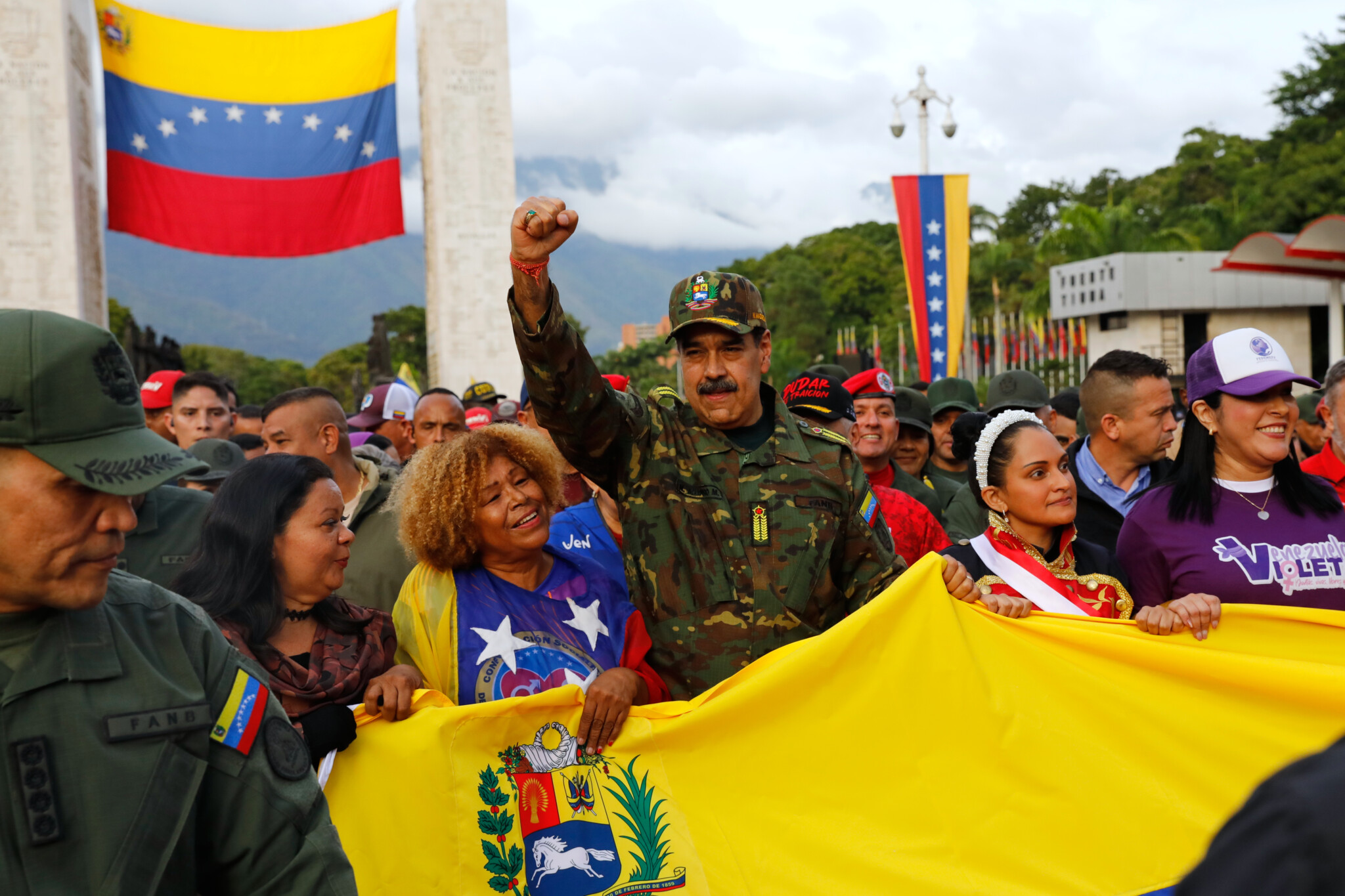
Venezuelan President Nicolas Maduro joins a government-organized civic-military march in Caracas, Venezuela, Tuesday, Nov. 25, 2025. Cristian Hernandez/AP Photo.
Could Venezuelan oil completely displace Canadian supply?
Highly unlikely. That’s because the U.S. oil market comprises a patchwork of regional systems rather than one single market.
The Midwest remains Alberta’s most immediate anchor. Refineries in states like Illinois, Indiana, Michigan, and Minnesota are built to serve inland fuel demand and are supplied primarily by pipeline and rely on Canadian bitumen as their core feedstock.
The Gulf Coast, by contrast, is far more export-oriented.
Refineries along the Texas and Louisiana coastline sit on deep-water ports. They’re accustomed to switching among heavy barrels from different sources. That’s where Venezuelan oil would compete most directly—but it remains a localized risk contingent on a long chain of other “ifs.”
Who would feel the impact first if Venezuelan oil does return?
Prices would move before volumes.
Even small additional supplies (or rumours of) can push prices down before any barrels are physically displaced.
However, oilsands producers are no strangers to price fluctuations. After surviving several boom-bust cycles since the turn of the century, many core projects operating in northern Alberta today can break even at around $40 WTI. The industry is leaner, more consolidated, and far less fragile than it once was.
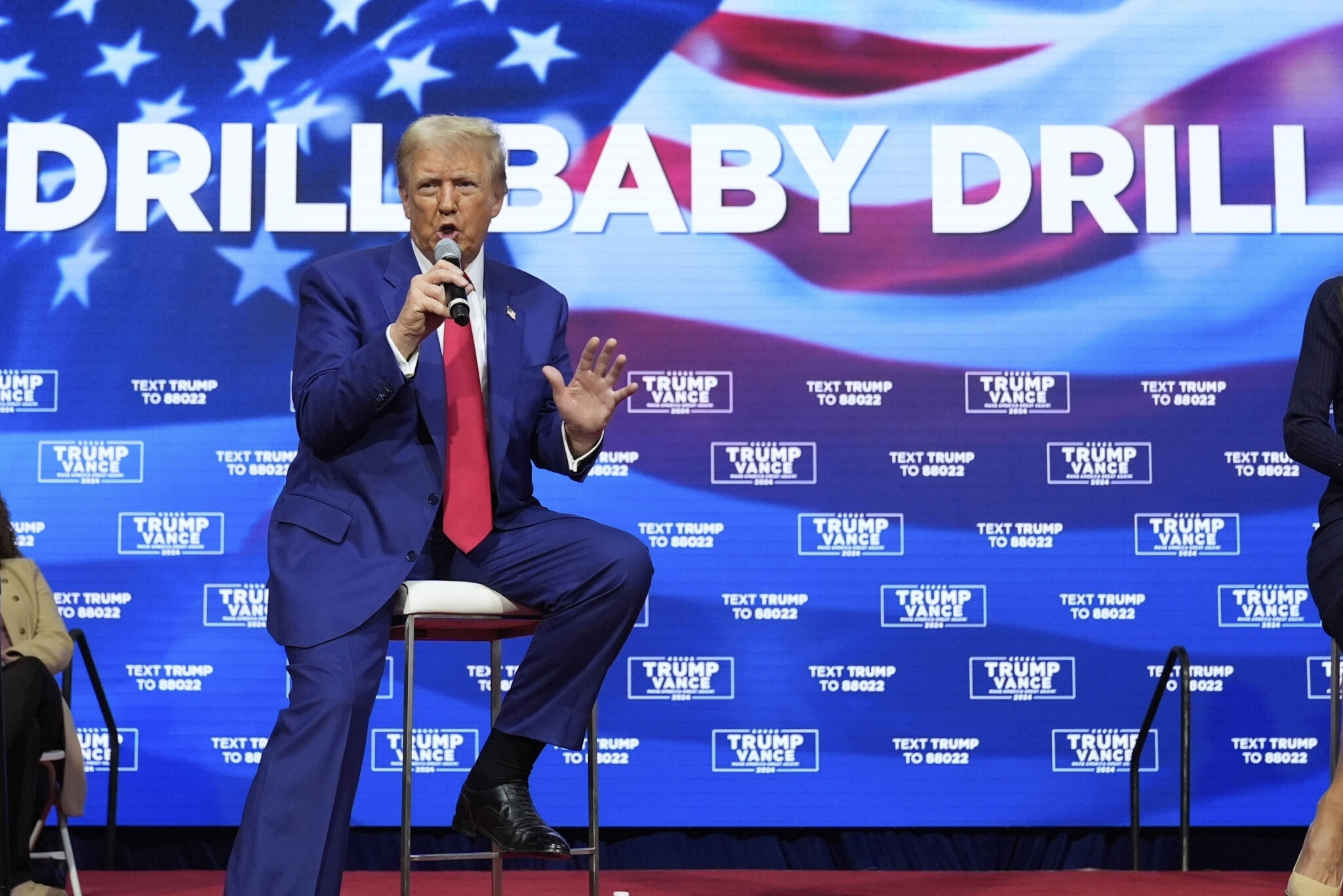
Donald Trump speaks at a campaign town hall, Oct. 14, 2024, in Oaks, Pa. Alex Brandon/AP Photo.
Does this weaken Canada’s leverage with the U.S.?
Over time, potentially.
Canada’s leverage has always rested on reliability and the scarcity of heavy crude. That’s why, despite years of “drill, baby, drill,” the American shale boom has never displaced Alberta oil. Shale flooded the market with light, sweet crude, which influenced prices—but it didn’t match local refinery demand.
Venezuelan oil is different. Trying to forecast future business decisions based on geopolitics, though, is inherently tricky. At the end of the day, despite what the American president wants, major oil companies still answer to boards, shareholders, and pension funds that demand risk-adjusted returns.
How seriously should Trump’s promises on Venezuela be taken, then?
With caution.
Political rhetoric can signal future policy direction, even if it doesn’t build oil fields and redirect tankers overnight.
This episode is a reminder that Venezuela’s vast reserves haven’t disappeared—and neither has the value of that asset.
The fact that the world’s largest military power is once again openly inserting itself into Venezuela’s political future underscores why oil still matters as a source of global economic leverage.
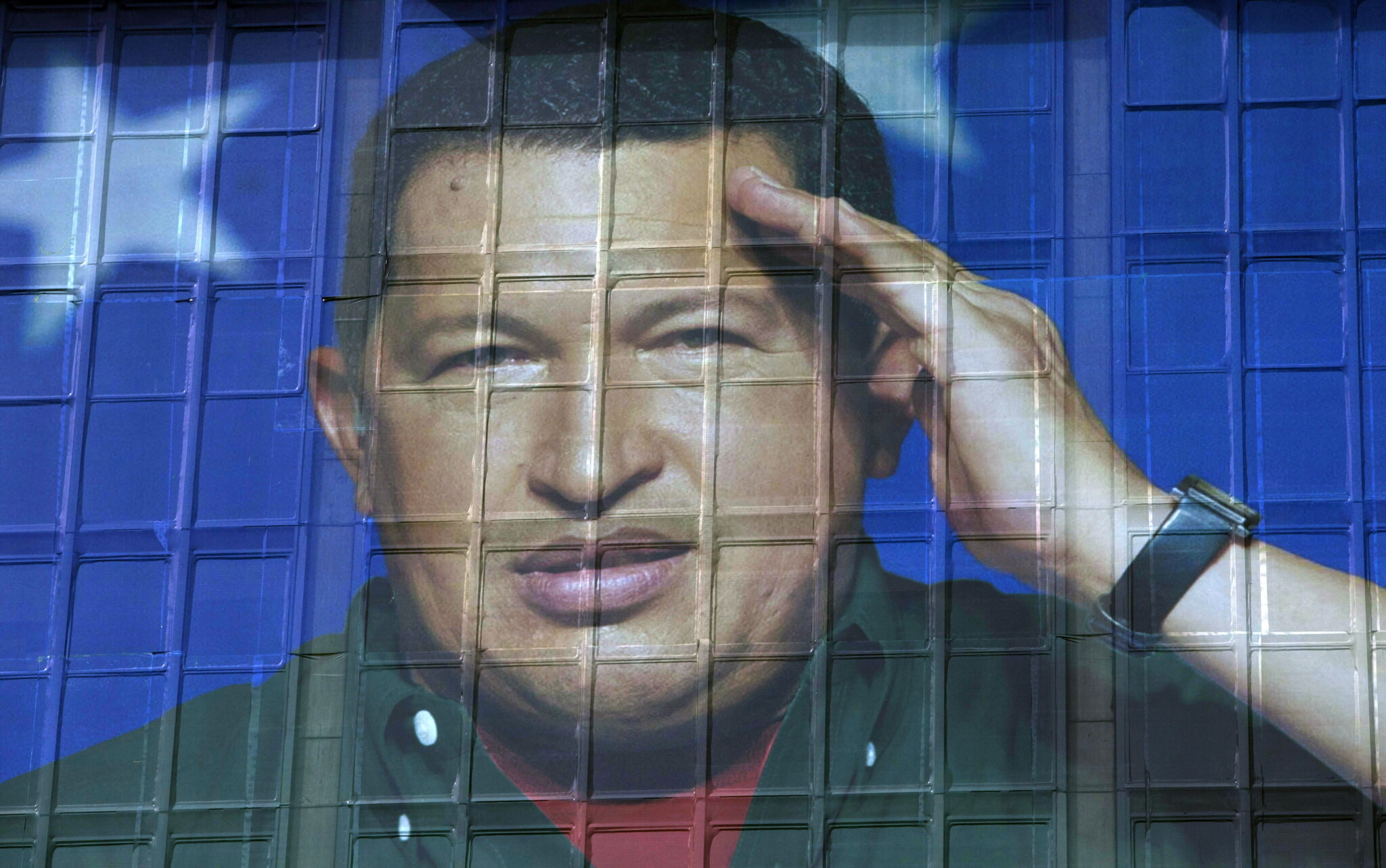
An image of Venezuela’s Hugo Chavez covers the headquarters of the state-run oil company in Caracas, Venezuela, Thursday, March 1, 2012. Ariana Cubillos/AP Photo.
How long would it take for Venezuelan oil to make a meaningful dent in production terms?
Most experts point to a 10-year horizon at a minimum. Investors need predictable fiscal terms, enforceable contracts, physical security, and confidence that today’s rules won’t be rewritten tomorrow. After two decades of erosion, that trust won’t be restored overnight.
There’s also a human constraint.
Venezuela has lost much of its petroleum workforce. Highly skilled professionals like engineers, geologists, project managers, and refinery specialists have long fled to places like the Middle East and Alberta. Rebuilding production and attracting that talent back will be slow and challenging, to say the least.
Canada, for all its regulatory complexity and political inertia, still offers rule of law, functioning governments, and basic safety—an unglamorous advantage, but a meaningful one nonetheless, particularly when compared with a failed petrostate.
The most plausible outcome, even under favourable conditions, is incremental rehabilitation. Venezuelan oil would likely re-enter markets gradually, reshuffling flows rather than flooding the system.
Is this an argument against new Canadian pipelines?
If anything, it argues the opposite.
Venezuela underscores yet again Canada’s main vulnerability of overrelying on a single customer.
Greater export optionality—to tidewater and beyond—reduces exposure to geopolitical shifts we have no control over. That logic is already evident in the early days of the Trans Mountain pipeline expansion, which has opened a direct outlet to Pacific markets where demand for heavy crude remains strong.
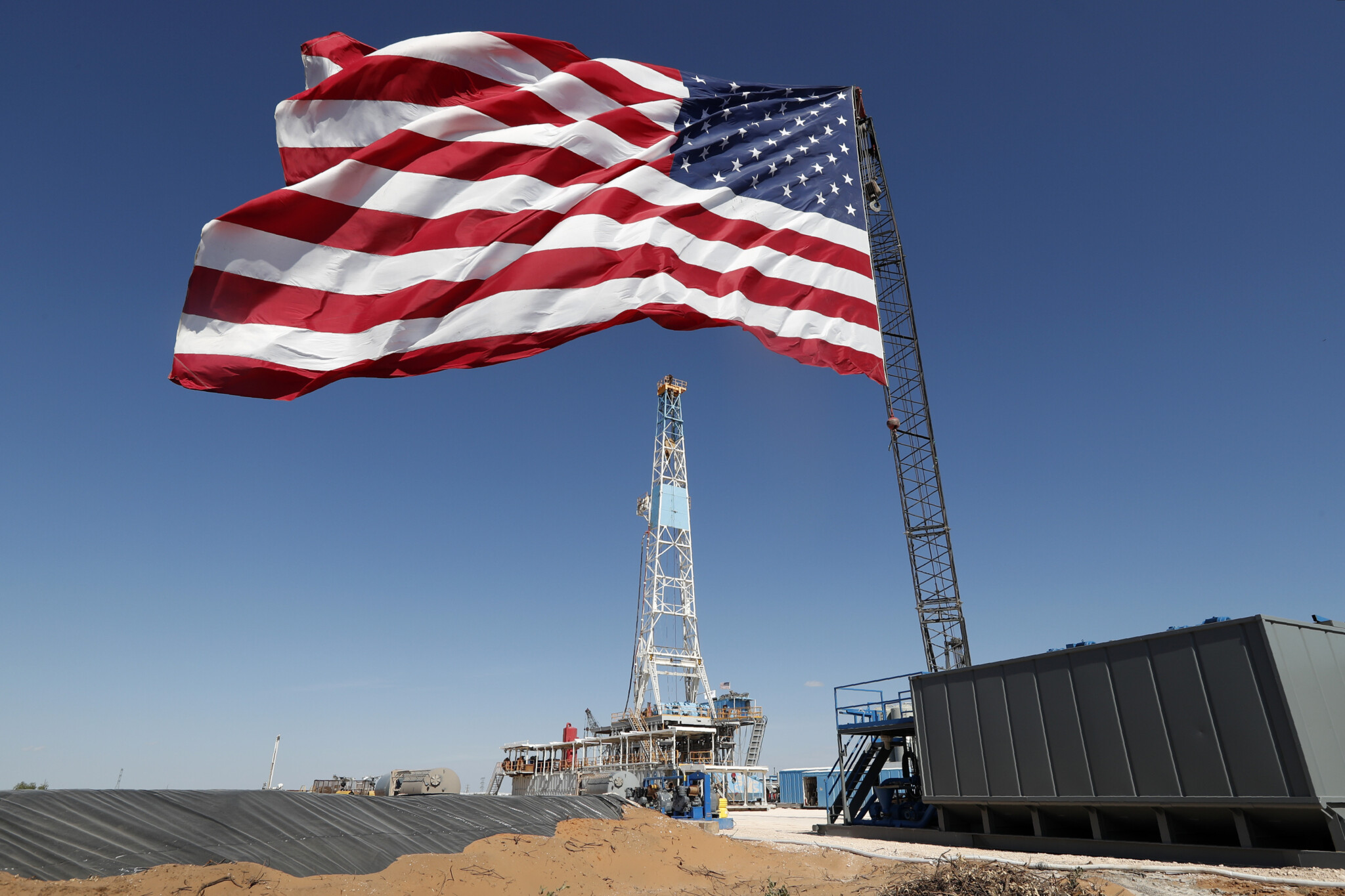
An American flag flies near an oil rig near the site where President Donald Trump delivered remarks about American energy production during a visit to the Double Eagle Energy Oil Rig, Wednesday, July 29, 2020, in Midland, Texas. Tony Gutierrez/AP Photo.
For years, sanctioned Venezuelan oil was diverted primarily to China via a “shadow fleet” designed to obscure its origin. If a post-Maduro Venezuela pivots its exports back to the U.S., it leaves an opening to Asian markets. Adding another pipeline to the West Coast would allow Canadian producers to better compete for that future demand.
The takeaway
Oil markets have always been shaped by politics, capital, technology, and shocks that rarely move in a straight line. Forecasting who produces what, where, and at what price has a long, humbling track record of mixed results.
What has been far more consistent is global energy demand.
Despite decades of predictions to the contrary, the world continues to need more power, and from every source it can plausibly extract. That reality increasingly resembles an “all the above” Jevons paradox, where fossil fuels, renewables, nuclear, and emerging technologies coexist and reinforce each other.
Against that backdrop, Venezuela is not an immediate threat to Canadian oil. It is, however, a reminder of how competitive and dynamic the global oil market remains.
And more than that, it’s a reminder that energy is power—and power is energy.
Because if oil didn’t matter in that equation tomorrow, Venezuela wouldn’t either.

Falice Chin is The Hub’s Alberta Bureau Chief. She has worked as a reporter, editor, podcast producer, and newsroom leader across Canada…
Could Venezuelan oil cap Canadian prices even if it doesn’t displace volumes?
Why didn’t U.S. shale ever replace Canadian oil, and why is Venezuela different?
Does Venezuela strengthen the case for or against new Canadian pipelines?







Comments (10)
Nice article Falice. It’s good to get some reasoned perspective amidst the chaos, though it wouldn’t be a bad thing if Canadian politicians could be woken up from their stasis. It’s frankly ludicrous that there is such controversy over building an oil pipeline in this country.