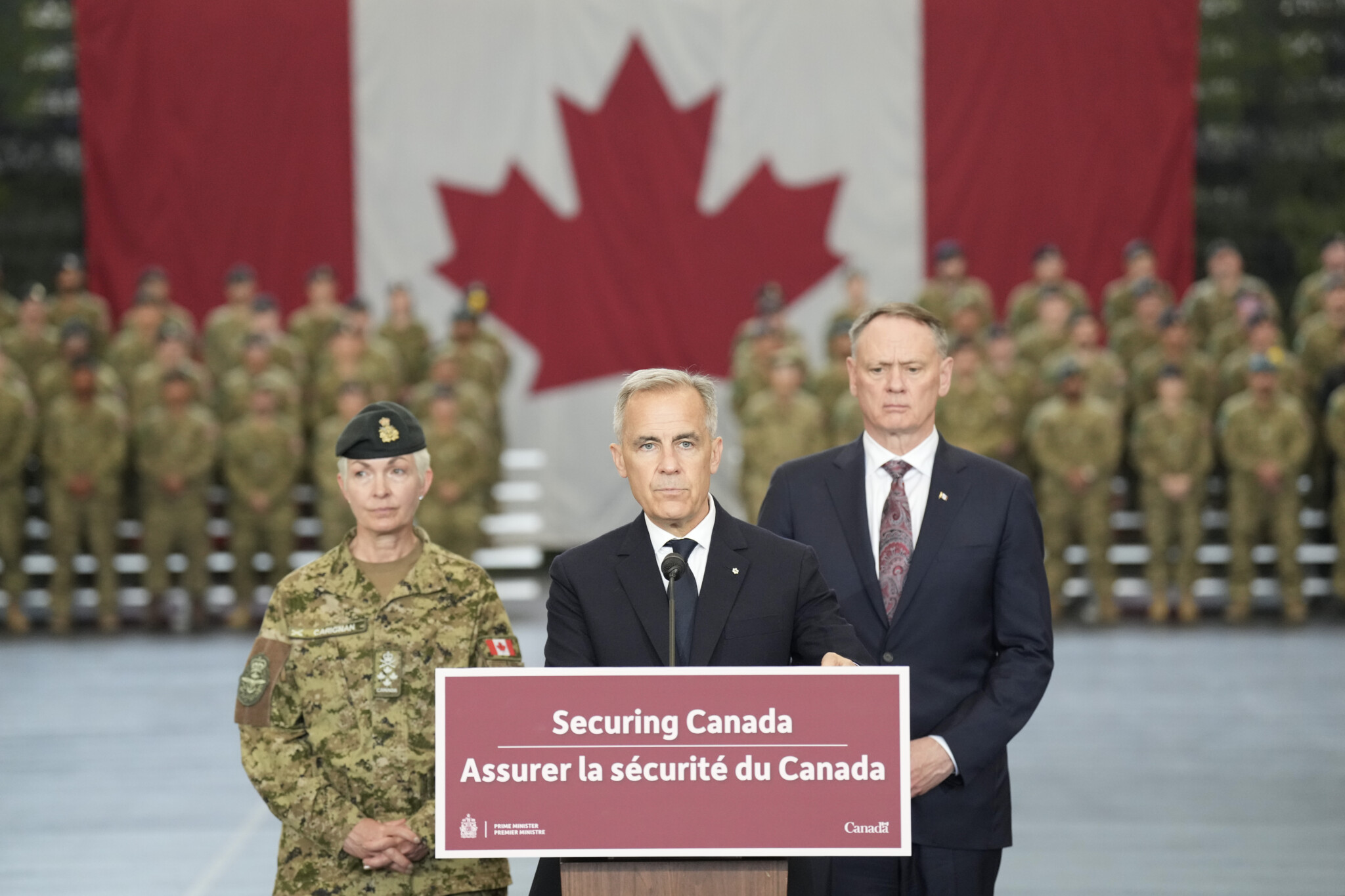
Many years ago, I had a lot to do with the Canadian Officers’ Training Corps (COTC). I attended the Royal Military College as a Regular Officers’ Training Plan officer cadet, and I trained with COTC in the summers. Then, when I was commissioned, I worked with COTC officer cadets for two summers at Camp Borden, giving them infantry training through classroom lectures, weapons, fieldcraft, and section and platoon tactics. Most became as proficient as I, and some were probably better. (Since I was barely 22, some of the COTC cadets were also older and smarter!)
I don’t know what happened to each individual when my COTC cadets finished their training. A few likely joined the Regular Force, more joined Primary Reserve units, and many just became full-time civilians. But I am certain that all carried memories with them and an understanding of the military.
The COTC had begun at McGill University in 1912, expanded across the country during the Great War, continued through the interwar years, and then became compulsory for all undergraduate male students during the Second World War. In both conflicts, the COTC produced thousands of officers who helped lead our regiments, brigades and divisions and made them effective. After 1945, enrolment in the COTC dropped off, and in 1968, with defence funding scarce and the Vietnam War stirring anti-military attitudes across Canada’s campuses, the government cancelled the program.
This was a major mistake. It severed the links between the universities and the military and dissuaded graduates in arts, medicine, law, engineering, and other disciplines from thinking of joining the Regular and Reserve forces. In other words, killing the COTC—and the similar but smaller programs run by the Navy and the Air Force—cut the Army off from the men and women who were its potential future leaders.
Now the global situation has changed dramatically. Russia is aggressive again, China has become a threat, and rogue states like North Korea and Iran have nuclear weapons or are making them. The United States is dusting off the Monroe Doctrine with a new Trumpian twist, and the members of the North Atlantic Treaty Organization are only beginning to rearm. The Canadian Armed Forces (CAF) are understrength and ill-equipped, and the Primary Reserves are but a shadow of their strengths before the world wars.
Should Canada revive its university-based military training programs like the COTC to address current defence needs?
What are the potential benefits and drawbacks of Canada's proposed 'Supplementary Reserve' force?
How might a revitalized COTC bridge the gap between Canada's diverse population and its military's current demographics?


Comments (2)
Fully agree.
I’m a retired Army Officer and also on the Supplementary Reserve. Not once have I been contacted by the military in over 10 years of retirement. Its a joke.