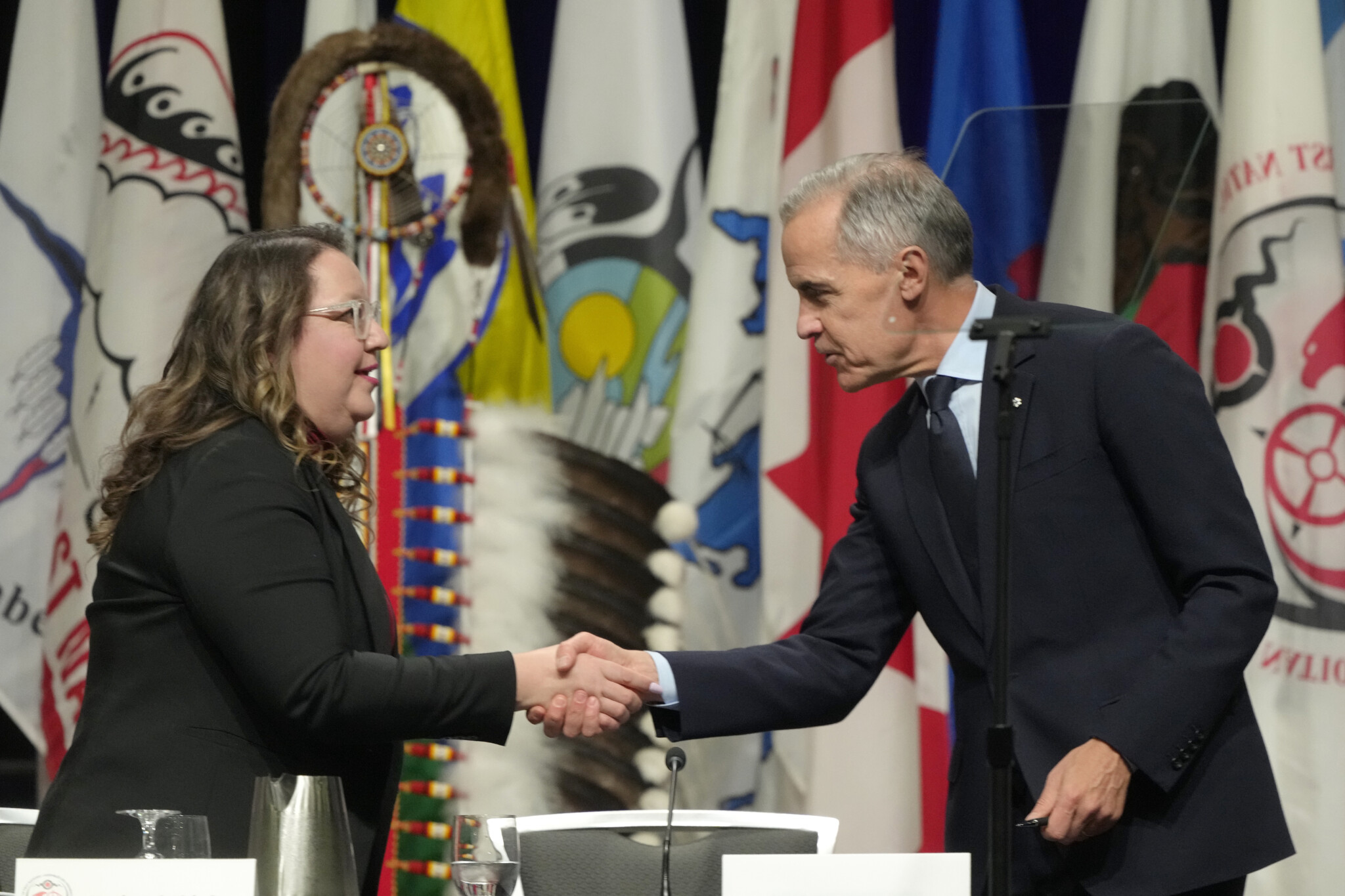
2025 ended with the country overlooking the most wide-reaching potential change to come to Indigenous law in 40 years.
The question of who can be registered as a legal “Indian,” to use the proper constitutional language, has been contentious as far back as this octogenarian can remember. The federal government, under the Brian Mulroney government, led a major change in 1985 to, quite properly, promote equality between Indian men and women in obtaining status. But other changes aimed at cleaning up issues in the Indian Act also created new dilemmas, making sections 6 through 8 of the Indian Act almost impossible for the layman to decipher.
Last year, the federal government introduced Bill S-2, “An Act to amend the Indian Act (new registration entitlements),” in the Senate to make some more modest changes to legislation first introduced in 2022, which had died on the order paper due to the 2025 election. The bill was sponsored by Senator Marc Gold, of the Independent Senators Group. If passed, it would have conferred Indian status upon an estimated extra three to six thousand people.
By introducing it early in the new legislative agenda, the government hoped to “reiterate” its “commitment to reconciliation” and to “eliminating…colonial legacies.” It passed the Senate unanimously in December.

However, Bill S-2 was radically amended in the Senate committee, and those amendments were accepted in the version now introduced into the House of Commons.
Leaving aside some minor points, the main issue is the repeal of the “second generation cutoff,” which had been legislated in 1985. Those amendments conferred Indian status upon the children of an Indian and a non-Indian, but such children could not transmit Indian status to their own children unless they parented with another Indian. This limitation was added to appease chiefs who were worried that their nations might be swamped with people having very little Indian ancestry.
Bill S-2, aiming to amend the Indian Act, is poised to significantly increase the number of registered Indigenous Canadians by removing the “second-generation cutoff.” This change, which allows “Indian” status to be transmitted indefinitely as long as one parent is registered, is projected to add approximately 300,000 individuals by 2066. While intended to promote equality and reconciliation, this move creates significant fiscal challenges due to associated benefits like tax-free on-reserve work and health programs, costing nearly a billion dollars annually.
Does the 'one drop' rule for Indian status risk creating a race-based society?
What are the potential fiscal impacts of expanding Indian status registration?
How does Bill S-2 aim to change Indian Act registration, and what are the key concerns?







Comments (1)
Just curious: can anyone name something that was developed entirely by the FNs, which turned out to be to the benefit of all Canadians? Twist; you can use the canoe or snow shoes.