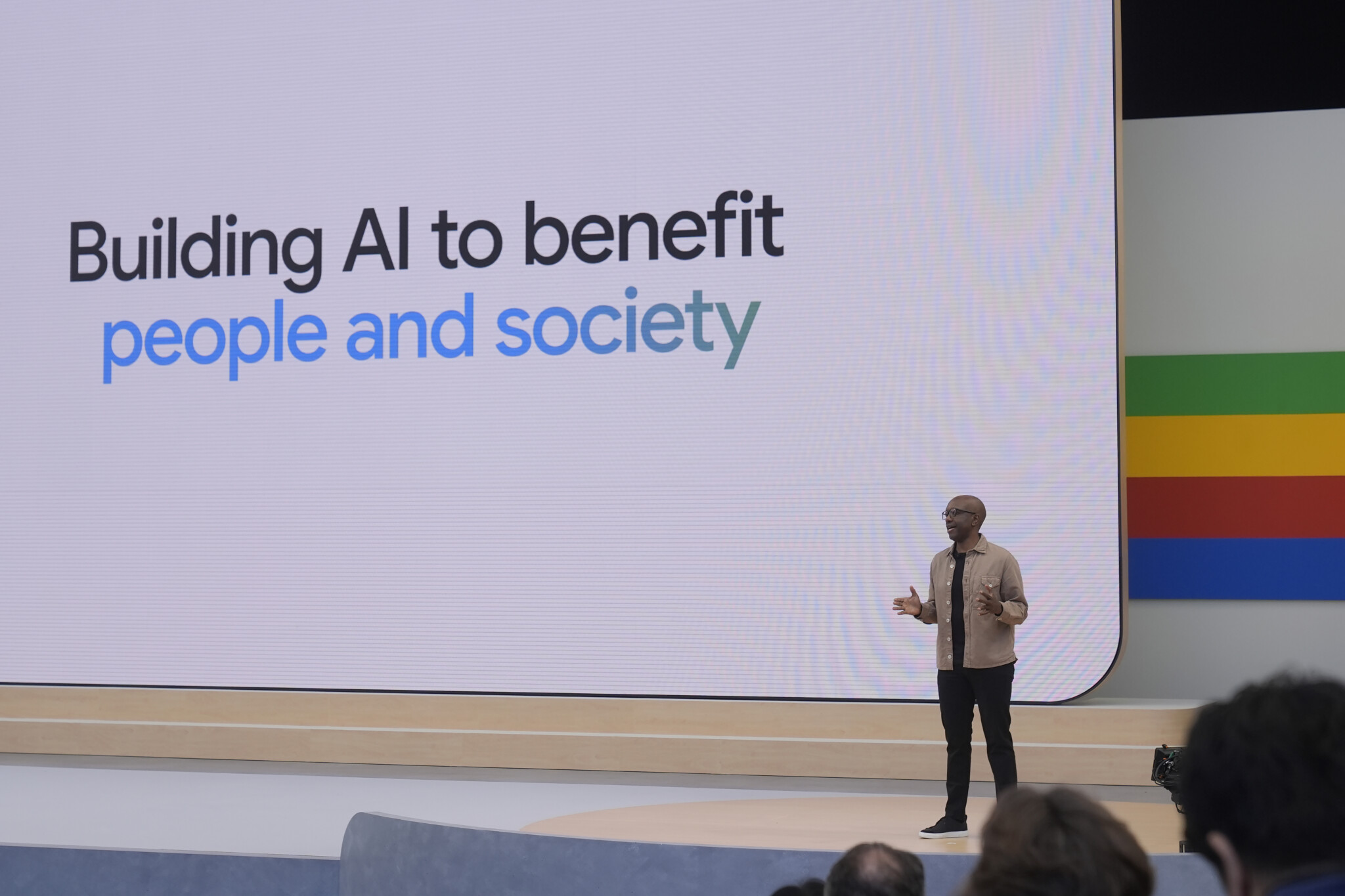

Welcome to the Weekly Wrap, where editor-at-large Sean Speer analyses the big stories shaping politics, policy, and the economy in the week that was, exclusive for Hub subscribers.
It’s time to be clear-eyed about AI’s disruptive power
This week, an online essay about the potential labour effects of rapidly improving AI technology went viral. At the time of writing, the article, authored by Matt Shumer, an AI executive in New York City, had received something north of 80 million views. Its thesis is as straightforward as it is alarming: rapid improvements in AI technology will, in short order, completely replace labour demand in various sectors, including a wide range of white-collar occupations.
The essay has prompted a series of responses. Some have questioned the author’s claims about AI technology itself. Others have doubted that society will adopt it as quickly or as smoothly as he anticipates. And still others have accepted that while both could be true, any gains in labour productivity will ultimately result in new and different market demands and employment opportunities that we can’t yet envision.
Globe and Mail columnist Andrew Coyne falls into the latter camp with his own thoughtful contribution to the debate. He essentially argues that even as AI and other technologies disrupt parts of our economy, we can’t know what will come next—just as those in the mid-20th century couldn’t have anticipated the rise of many of today’s industries and jobs. The historic tendency of Schumpeterian creative destruction has been for new technologies to unlock new sources of economic value and labour demand.

I’m inclined to agree with Coyne’s take, even if I admit that, in recent days, I’ve felt more economically vulnerable than I did before reading the original essay. Yet I’d still add two caveats to his assessment.
First, if Shumer is right, it’s possible—big emphasis on possible—that the rise of AI could be the exception to the historical norm. Its scale, speed, and rapid improvement could make large-scale employment genuinely superfluous. And while Shumer may be self-interested, he’s hardly alone. Elon Musk, Dario Amodei, the CEO of Anthropic, and other leaders at the frontier of AI development have warned of potentially unprecedented labour disruptions. When the people building the technology are openly speculating about a post-work future, we shouldn’t dismiss it out of hand.
Sean Speer analyzes the potential impact of AI, Canada-U.S. relations, and Alberta separatism. He highlights concerns about AI’s disruptive power on labour markets, suggesting potential for unprecedented job displacement and the need to prepare for significant economic transitions. Speer also discusses the complexities of the Canada-U.S. relationship, noting a recent House vote against Trump’s tariffs as a positive sign amidst ongoing uncertainty. Finally, he critiques Stéphane Dion’s involvement in the Alberta separatism debate, arguing that his intervention is unlikely to be effective and that local voices are needed to address the issue.
How should governments prepare for potential job displacement caused by AI, according to the article?
What does the U.S. House vote on tariffs against Canada suggest about the Canada-U.S. relationship?
Why does the author criticize Stéphane Dion's recent comments on Alberta separatism?






Comments (9)
Those workers most impacted are, in theory, more adaptable than the blue collar manufacturing workers affected by Chinese offshoring in the early 2000s. But I have my doubts. I envision several generations of underemployed young people who augment their careers with side hustles and low-paying service jobs. This job insecurity has massive knock-on effects throughout the economy and society at large. My daughter, a recent university grad, has done everything the grownups have told her to do if she wants a successful career. Almost a year after graduation, and multiple job applications later, she has yet to land an interview, let alone a permanent job. AI undoubtedly has played a role in her failure thus far. She’s providing structure to her life working in a flower shop. Please don’t underestimate the emotional toll this has on our youth. There is a very real human element to the AI “revolution,” even for “elites” who were “foolish enough” to pursue university educations.