Today is World Scouting Day. On February 22, millions of people around the world will reflect on how we raise our kids, promote citizenship, and encourage volunteering in our communities. It’s a celebration of the vital work volunteers do every day across our country to help the next generation be better than the last.
However, as I ring in my first World Scouting Day as national commissioner for Scouts Canada–a century-old youth-serving non-profit–we at Scouts are faced with a startling reality: our desire to help serve Canadian communities cannot meet the overwhelming demand.
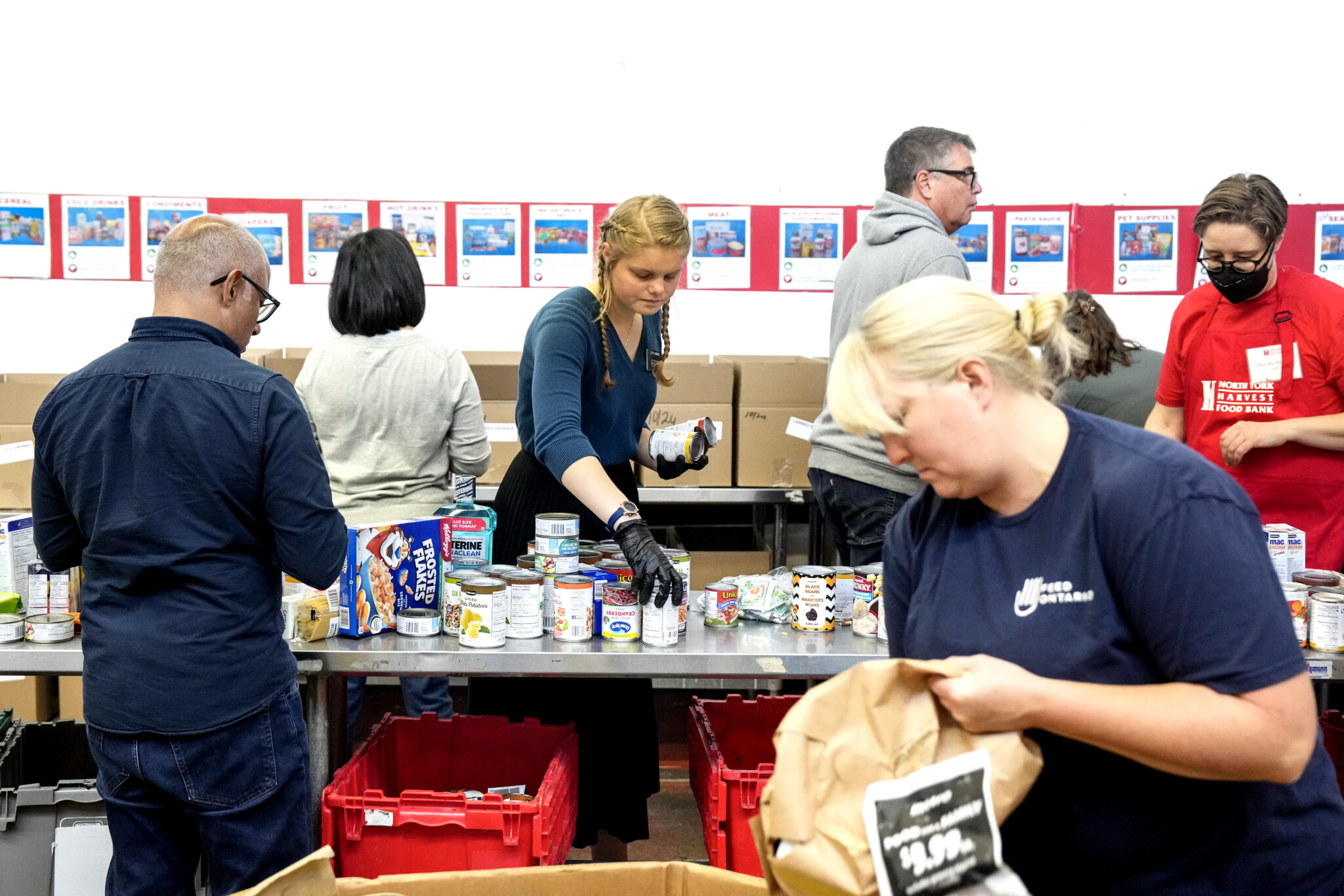
It’s not just Scouting. More Canadians than ever need the services non-profits provide. Food banks are reporting record usage. Youth programs that once ran drop-ins now fill weeks in advance. Libraries, shelters, and after-school programs stretch already thin resources, while a cold winter compounds both financial strain and social isolation.

Between all of our challenges, however, there is something in common: a steady erosion of Canada’s volunteer base—the people who keep these institutions afloat.
We now know this is not merely a temporary post-pandemic disruption. The latest national data from Statistics Canada shows more than a 20 percent drop in formal volunteers from 2018 to 2023—what some charities like ours are calling a “historic decline.” It also shows consistent year-over-year declines since COVID-19, both in the number of people participating and in the total hours contributed. Statistics Canada reports a further 19 percent decline in volunteers who participate in improving their communities.
Non-profits across multiple sectors report the same pattern: fewer sign-ups, shorter commitments, and greater burnout among those who remain. The consequences are not abstract.
When Canada’s volunteer capacity shrinks, services are reduced or delayed—and the people most affected are those with the fewest alternatives.
There is a critical decline in volunteerism across Canada, impacting non-profits and community services. Increased demand for services like food banks and youth programs is met with a shrinking volunteer base, exacerbated by post-pandemic realities. The issue isn’t a lack of willingness to help, but rather a lack of capacity due to rising costs, irregular work, and caregiving responsibilities. Solutions such as flexible roles, simpler onboarding, government support for volunteer infrastructure, and modernized police check processes would increase volunteerism and strengthen communities.
The article highlights a decline in volunteering. What are some reasons cited for this decline, and how do they impact community services?
What policy changes does the author suggest to address the volunteer shortage, and how could these changes impact non-profit organizations?
Beyond recruitment, what changes within organizations does the author suggest to make volunteering more accessible and sustainable?






Comments (5)
In my view, the best and biggest thing that governments can do to increase volunteerism, is just stop doing things.
Volunteers are squeezed out of so many functions by civil servants desperate to prove that they are doing something. Volunteers typically do many jobs that civil servants are occupying better, faster, and cheaper.
There is no moral value in paying taxes to have civil servants due the things that we could do in our spare time. Or ever growing state is sucking the moral value out of our culture.