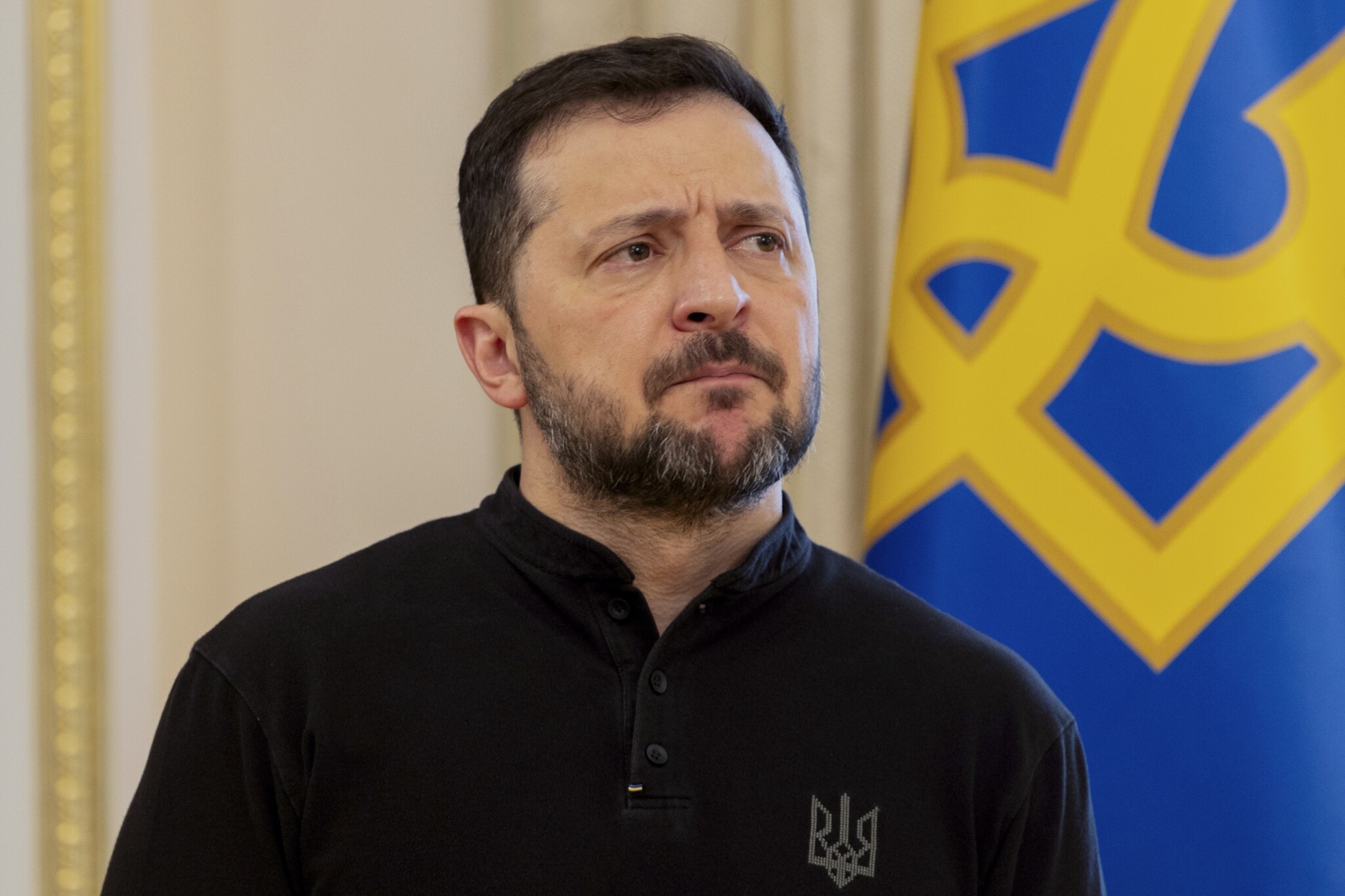

With this week marking the four-year anniversary of the full-scale invasion of Ukraine, there have been multiple retrospectives on this grim event. Of the stories that have come out, one of the most interesting was a Guardian article by Shaun Walker that detailed the Anglo-American intelligence and diplomatic efforts before the invasion to forestall war.
An aspect of the revelations bears discussing: how various parties, in particular, the Zelensky government, misjudged the clear evidence being provided to them. Their inability to absorb the information at such a critical juncture hamstrung their response.
A key aspect of any conflict is the capacity to learn and adapt to changing circumstances—overcoming existing biases and preferences to find better solutions to existing problems. It’s a challenging task, one I’m certainly guilty of. Before the war, I was skeptical of Vladimir Putin’s resolve to undertake a full-scale invasion of Ukraine, considering the long-term costs that would be incurred in doing so. I was not wrong about the costs, just wrong on Putin’s willingness to incur them.
While I didn’t believe the Ukrainian forces would be able to hold out even four weeks against the invaders (much less four years), I could see a violent, bloody insurgency that would be akin to the decade-long struggle the Soviets faced against the Mujahideen in 1980s Afghanistan that ultimately helped to topple the USSR.

And yet the desperate initial days of Russia’s invasion saw a heroic defence by scratch units of Ukrainian defenders against almost an extreme caricature of Russian incompetence. Entire formations lost, out of fuel, or launching poorly planned assaults that suffered tremendous casualties. It would in many ways be a harbinger of the coming four years.
It should not be surprising that Ukraine has displayed the greatest learning and adaptability—it is fighting a war of survival, and Russia is not.
This month marks the four-year anniversary of Russia’s full-scale invasion of Ukraine, and there are valuable lessons to be learned, or not learned, by various parties. Ukraine’s remarkable adaptability and innovation in the face of adversity contrasts with Russia’s apparent inflexibility under Putin. The initial misjudgments of the Zelensky government and the West’s cautious approach can be criticized; delayed support for Ukraine may have reinforced Putin’s perception of Western weakness. Canada and our Western allies should heed Ukraine’s example of adaptability in the face of geopolitical threats and ready ourselves in the face of growing instability.
How did Ukraine's ability to adapt and learn contribute to its resilience against Russia's invasion?
According to the author, how have Western powers, particularly the US and Europe, failed to learn the lessons of the war in Ukraine?
What is Putin's 'theory of victory' and what evidence does he have to support it, according to the article?




Comments (2)
First they came for Ukraine, and we did nothing. Are we going to continue the story until there is no one left but us?