A review of The Collapse of Global Liberalism: And the Emergence of the Post Liberal World Order (Polity, 2025), by Philip Pilkington, and The New Conservatives: Restoring America’s Commitment to Family, Community, and Industry (Radius Book Group, 2025), edited by Oren Cass.
Classical liberalism, a political philosophy that advocates for individual liberty, property rights, free markets, free trade, and limited government, has, more or less, been synonymous with conservatism over the past few decades. At least, that was the case in the United States and Canada. It was, of course, by no means the only ideological streak within the conservative movement. However, it was without a doubt the most dominant one.
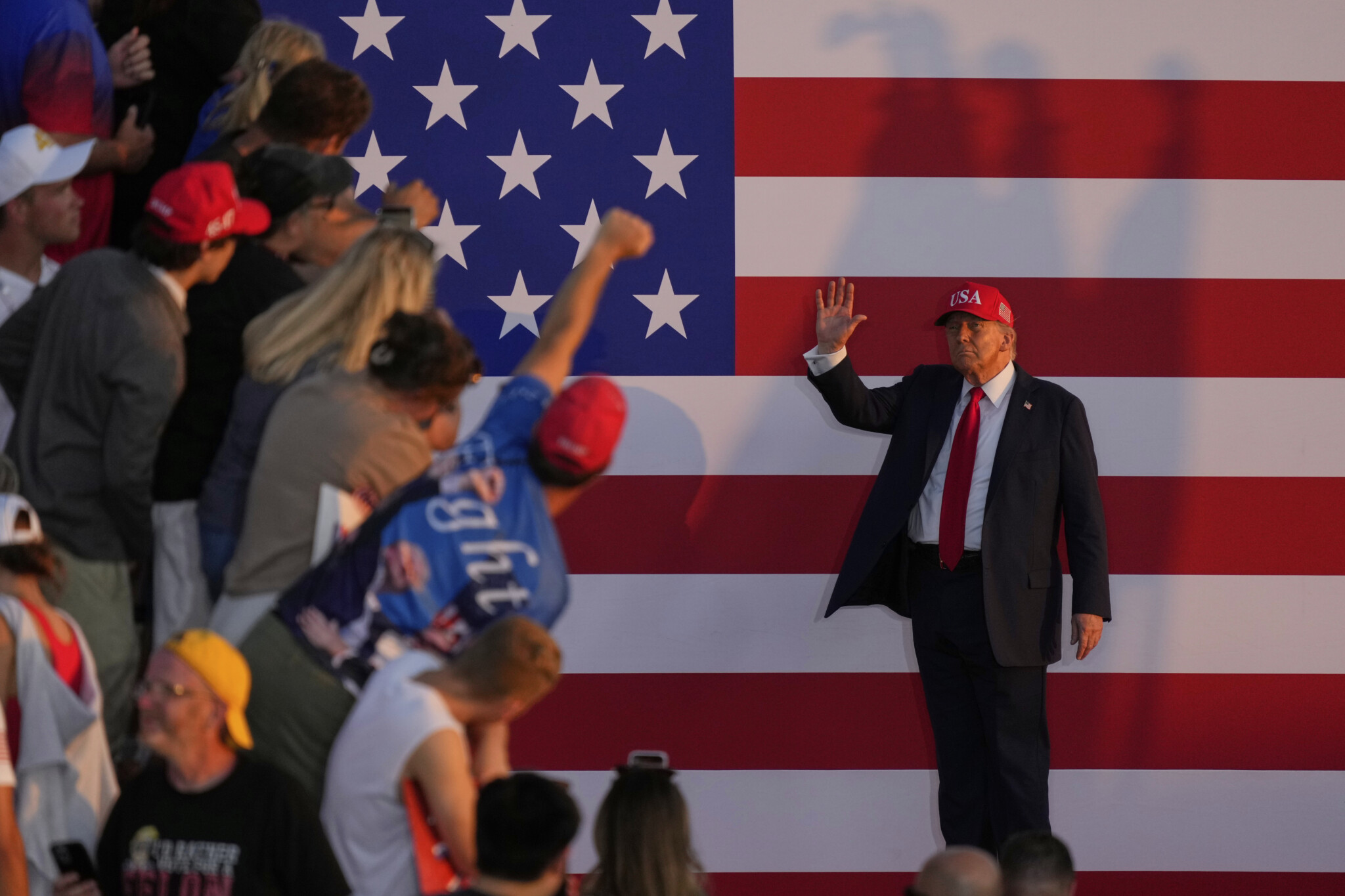
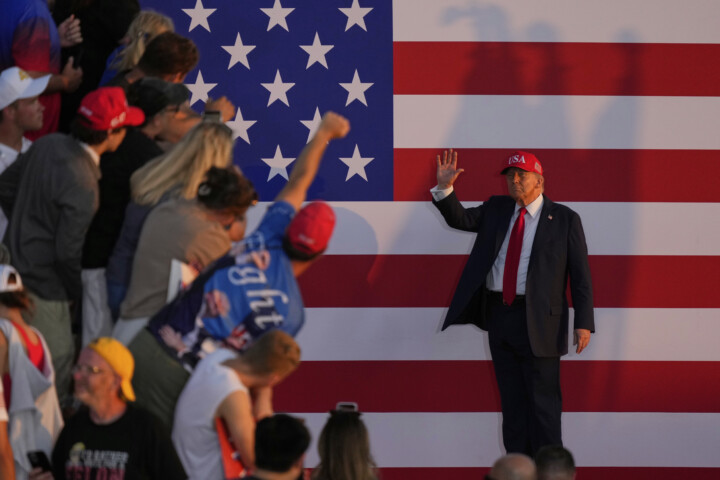
Donald Trump’s 2016 presidential victory changed this dynamic in a consequential manner. His hostile takeover of the Republican Party, and the emergence of an intelligentsia justifying his movement, have changed significant portions of conservatism in ways we may not necessarily fully comprehend yet, and which may outlast the man himself. This is probably less true in Canada, but we are certainly not immune to this streak of illiberal conservatism.
If the GOP initially managed to maintain conservative values and policies inspired by the Reagan era, a new and harsher illiberal movement has ultimately emerged, especially after 2020. And the pace of this shift seems to have increased following the re-election of Trump in 2024.

This so-called “post-liberalism” can be described as a political philosophy based on social conservatism and otherwise combined with a tangibly more interventionist approach to the economy. Conversely, individualism and limited government are typically strongly criticized by tenants of this movement, often without much regard for empirical evidence.
Two books explore and endorse this post-liberal approach: The Collapse of Global Liberalism: And the Emergence of the Post Liberal World Order, by Philip Pilkington and The New Conservatives: Restoring America’s Commitment to Family, Community, and Industry, edited by Oren Cass.
Michel Kelly-Gagnon reviews two books, Philip Pilkington’s The Collapse of Global Liberalism and Oren Cass’s edited volume The New Conservatives, exploring the shift away from classical liberalism within American conservatism. He argues that Donald Trump’s rise has accelerated this trend, leading to a “post-liberal” conservatism characterized by social conservatism and economic interventionism. Pilkington critiques classical liberalism for allegedly destroying communities and advocates for a Chinese-style hybrid system. Cass, conversely, sees China as a threat and promotes a “bounded market” controlled by the state. Kelly-Gagnon questions whether this new conservatism is a temporary fad or a permanent change, suggesting both books offer insights into the ideological underpinnings of Trumpism.
How does "post-liberal conservatism" differ from traditional conservatism according to the article?
What are the potential economic consequences of adopting the "bounded market" approach advocated by Cass?
Does the article suggest that post-liberal conservatism is a lasting trend or a temporary phenomenon?





Comments (0)