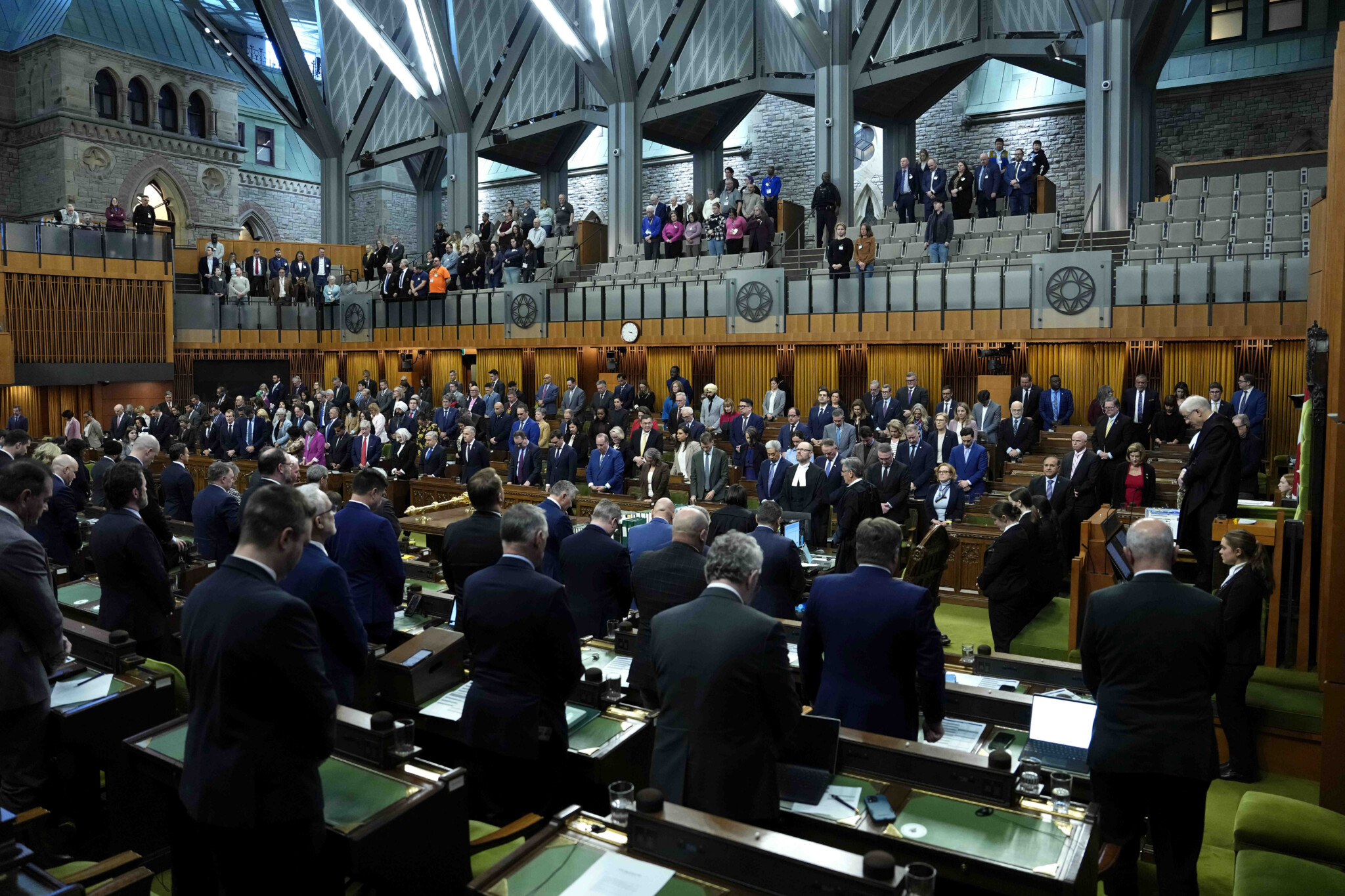
A new survey reveals profound disagreements among Canadians about parliamentary representation and regional equity, with Albertans, Saskatchewanites, Manitobans, and British Columbians expressing the strongest dissatisfaction about their representation in Confederation.
The polling, commissioned by the Aristotle Foundation and conducted by Léger among 2,710 Canadians, finds that attitudes toward representation vary sharply by region, reflecting deeper political and economic divides across the country.
Canadians in Western and Atlantic provinces were most likely to view themselves as underrepresented in federal Parliament. A majority and the highest percentage of respondents in Saskatchewan (51 percent) believed they’re underrepresented in Parliament, followed by Canadians in the provinces of Alberta (49 percent), Manitoba (41 percent), and B.C. (38 percent).
Meanwhile, a majority of Canadians surveyed in each province showed support for each riding to represent similar sizes of population in the House of Commons. Support for equal proportional representation ranged from 61 percent in Atlantic Canada to 73 percent in B.C. Nationally, 66 percent of respondents agreed that all MPs should represent approximately the same number of people.
That national consensus, however, masks important regional differences.
In B.C., where support for representation by population is highest, rapid population growth has outpaced seat redistribution, contributing to a perception that federal institutions no longer fully represent where Canadians actually live.
In Alberta, the issue is even more acute and politically charged, tied not only to population growth but also to longstanding concerns about the province’s economic inputs into the confederation.

Disparity in representation for Alberta, Ontario, and B.C.
The population data in the Aristotle Foundation report reveals stark inequalities in current representation.
P.E.I. has one MP or seat in Parliament for every 44,748 residents, while Alberta has one for every 132,645 people—almost three times as many constituents per elected representative. Representation is even more diluted for Ontario (133,077 people on average per riding) and B.C. (134,057).
Of the four most populous provinces , Quebec fares the best for representation, with one seat for every 116,816 citizens.
Independent provincial commissions redraw the electoral district boundaries every 10 years, with decisions made from census population data. The changes to the seat count each decade are supposed to keep pace with population shifts across the county. The last redistribution process took place in 2022, when the number of seats in the House of Commons increased from to 343 from 338.
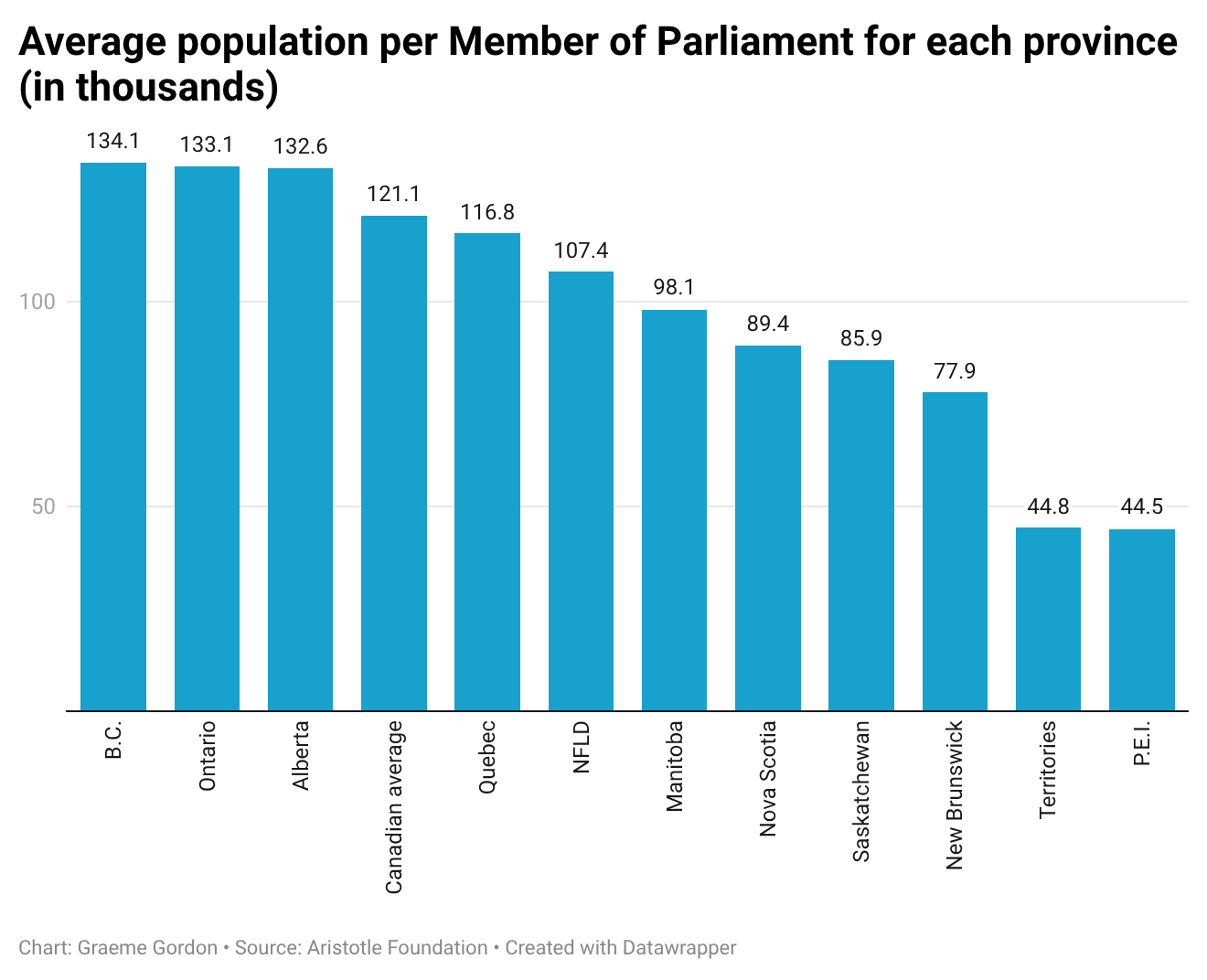
Any shift toward strict representation by population would, over time, reduce Quebec and the Atlantic provinces’ share of seats, as population growth continues to concentrate in Western Canada and parts of Ontario.
Many Canadians aren’t fans of the Senate
Support for Senate reform to better reflect population distribution was 50 percent of survey respondents, with another 12 percent calling for it to be abolished. Only 15 percent of Canadians surveyed called for the Senate to remain as is, while another 23 percent answered they didn’t know what should be done with the Upper House.
Respondents believing their provinces are underrepresented in the Senate were nearly identical to the percentage of respondents from different regions believing they’re underrepresented in the House of Commons. Many Canadians from Saskatchewan (50 percent), Alberta (49 percent), Manitoba (42 percent), and B.C. (37 percent) all believe their provinces are underrepresented in the Red Chamber. Ontarians were the least bothered by their province’s representation in the Senate, with only 17 percent believing they’re underrepresented.
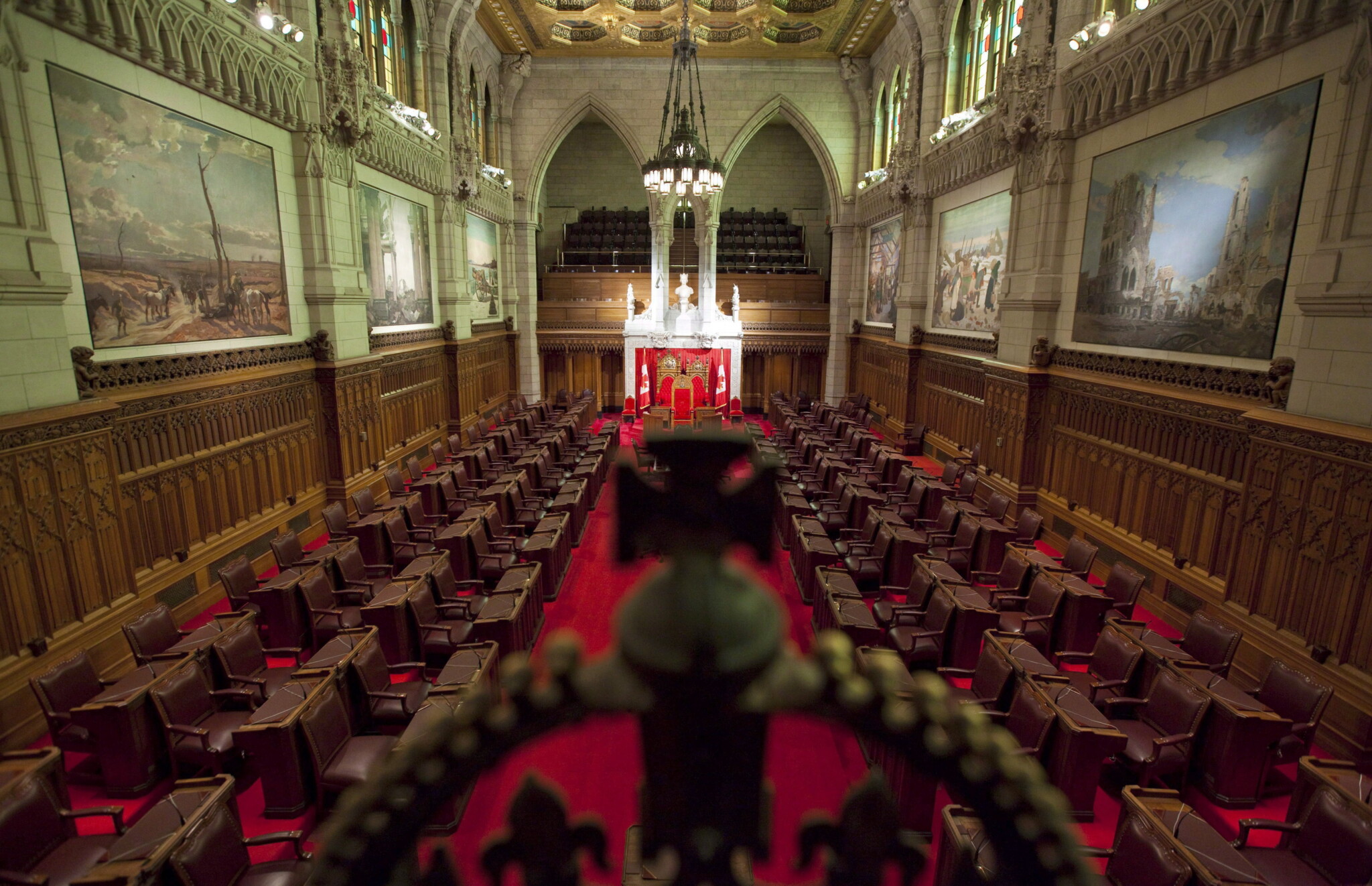
A view of the Senate chamber on Parliament Hill in Ottawa on Jan. 13, 2011. Sean Kilpatrick/The Canadian Press.
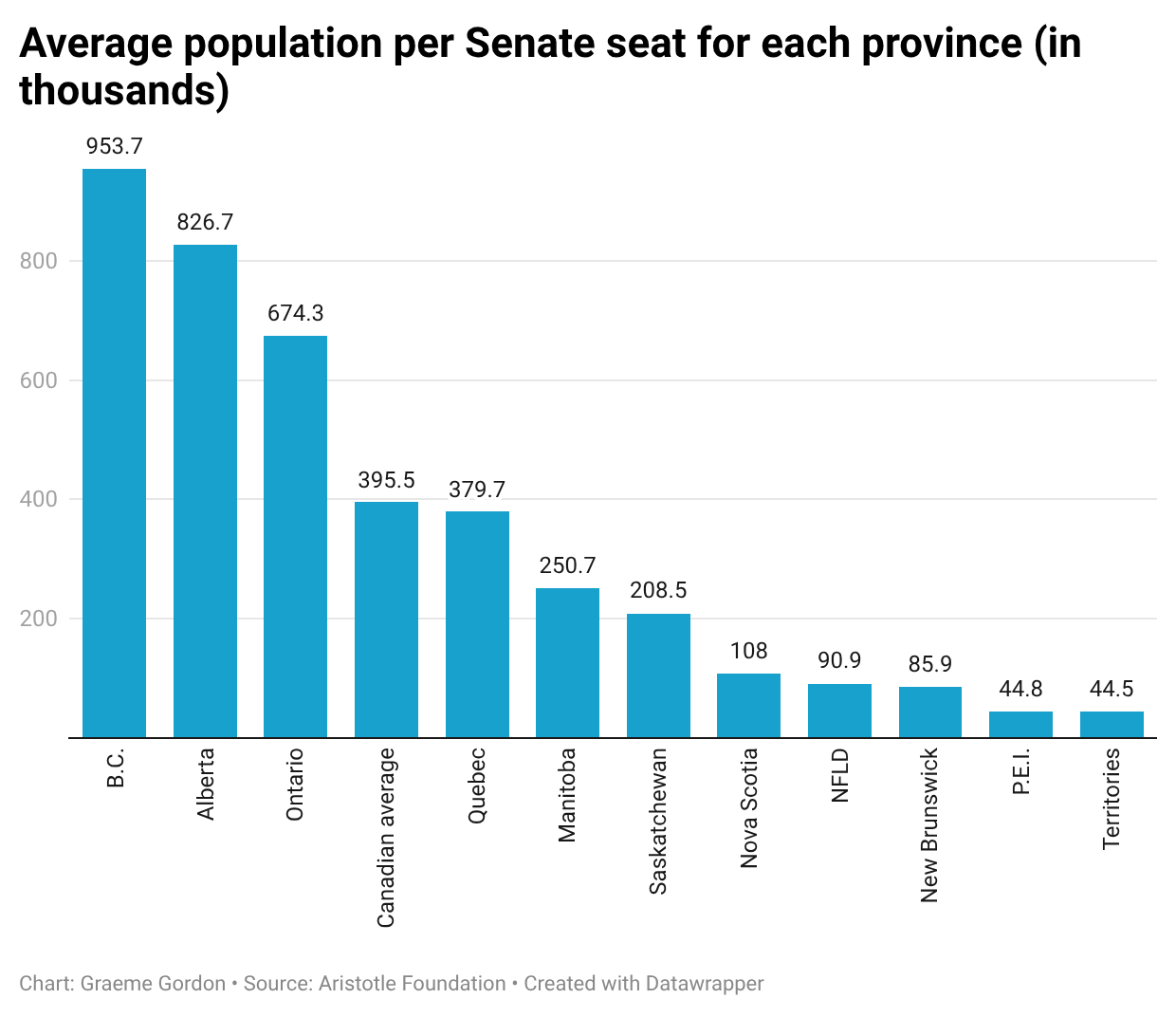
Unlike the House of Commons, Canada’s Senate is built not around population but an attempt at regional balance, with each region receiving a fixed allotment of seats regardless of how many people live there. This means that as populations shift and grow unevenly, those fixed seats only amplify the gap between representation and reality, especially when the House of Commons isn’t evenly distributed either.
The disparities in representation in the Senate have become more pronounced over the years: P.E.I. has one senator for every 43,082 residents compared to Alberta’s one for every 826,683 people, i.e. 19 times more representation in proportion to its population. B.C meanwhile has one senator for every 953,720 people. Ontario’s representation doesn’t fare much better, with one senate seat for every 674,277 people.
Lack of proportional representation in Alberta an issue
In Alberta, these disparities reinforce a broader sense of unfairness that has sparked a consistent-but-still-amorphous separatist movement. The province has experienced the highest rate of growth of any province in the last two years, is the top destination for other Canadians to move to, and remains a major contributor to federal revenues. Yet Alberta continues to have among the highest ratios of constituents per MP in the country.
The results point to competing regional visions of fairness within Canada’s political system, with Western Canadians, particularly in Alberta and B.C., viewing fairness as defined by voter parity and representation by population.
The online survey was collected from Jan. 27 to Feb. 1, 2026. The numbers are weighted by age, gender, and region. It had a margin of error no greater than ±1.9 percent.
This story was edited using NewsBox AI.

Graeme Gordon is The Hub's Senior Editor and Podcast Producer. He has worked as a journalist contributing to a variety of publications, including CBC,…
A recent poll reveals significant divisions among Canadians regarding parliamentary representation, particularly concerning regional equity. Western provinces like Alberta, Saskatchewan, Manitoba, and British Columbia express the strongest dissatisfaction with their representation in Confederation. While a majority nationally supports representation by population, regional differences are stark, with B.C. showing the highest support due to rapid population growth. Alberta’s concerns are heightened by economic contributions and population growth. Disparities are evident, with P.E.I. having significantly more representation per capita than Alberta, Ontario, and B.C. Senate reform is supported by 50% of respondents, reflecting similar regional concerns about underrepresentation.
How would shifting to strict representation by population impact different provinces' power in Parliament?
What economic factors contribute to Western provinces' dissatisfaction with their federal representation?
Besides the House of Commons, how does the Senate's structure contribute to regional representation concerns?







Comments (0)