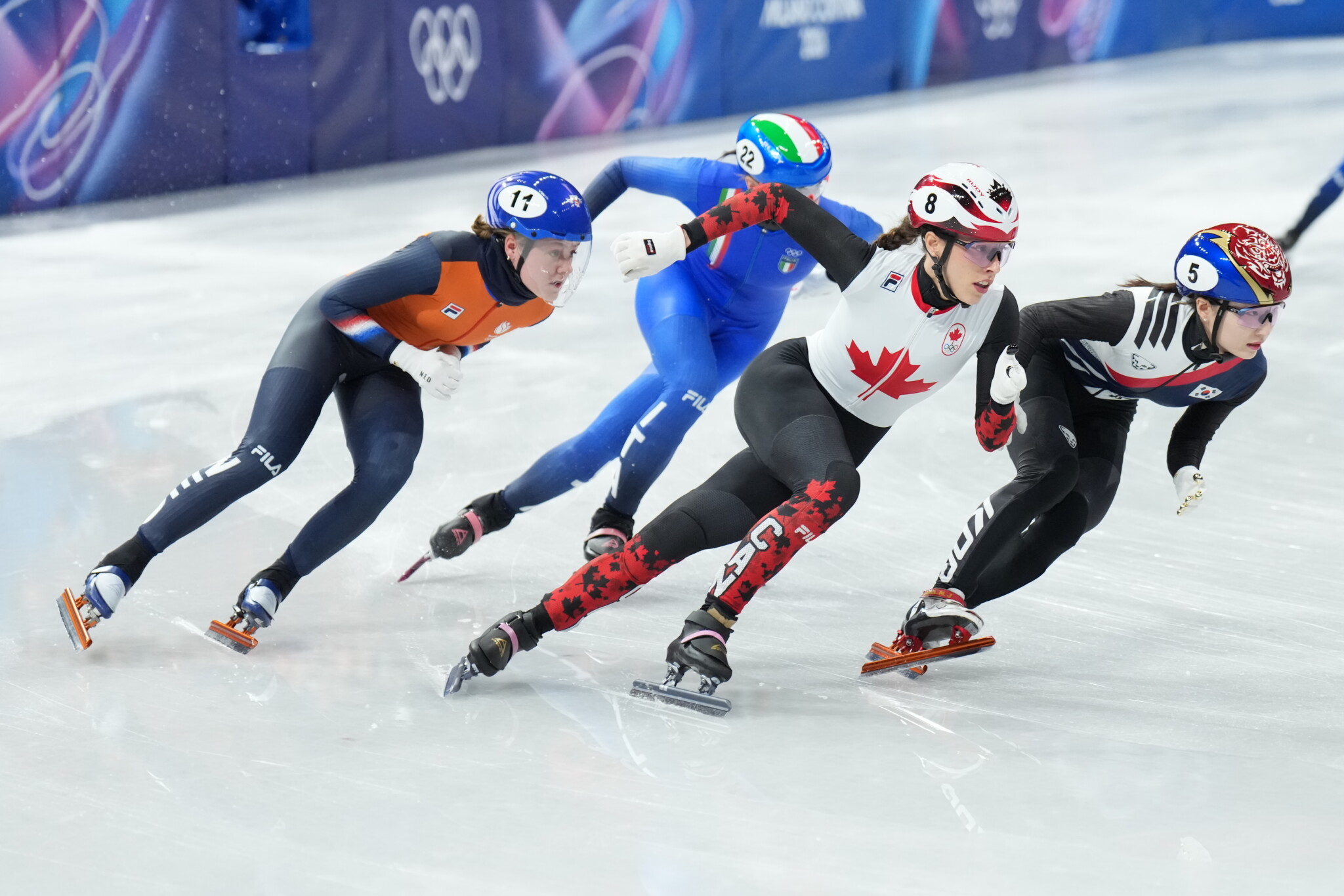
I can still remember standing in an airport at 2 a.m., exhausted from a competition abroad, doing mental math I shouldn’t have had to do: physio or rent? Training camp or groceries? It was 2011. I was a Pan Am Games medalist, an eight-time Canadian national champion, ranked in the top 10 in the world. But I was burnt out, running out of money, and ready to quit.
This isn’t a story about the Canadian government failing athletes or the Canadian Olympic Committee (COC) hoarding money. The problem is the system itself: one that accumulates resources at the top, but struggles to convert those resources into athlete support. It’s a system where government is running the payroll instead of setting the rules.
But here’s the good news. We can double the funding that reaches athletes, while slashing government spending on sport. We just have to stop making tiny, ineffective fixes to the broken machine. With the Paralympic Games having recently come to a close, it’s time to take a closer look at the athletes who make it possible.

The conversion problem
In 2024, the Canadian Olympic Committee generated $45 million in corporate partnership revenue. From this revenue, along with private donations and grants, only $2.6 million (about 5.8 percent) reached athletes directly. Let me be clear: this isn’t evidence of wrongdoing. That work matters. But corporate money is flowing almost entirely to institutions. The pathways for it to reach human athletes directly barely exist.
Meanwhile, Sport Canada, the federal program that oversees and funds amateur sport, provides carded athletes (recognized by Sport Canada’s Athlete Assistance Program) up to a maximum of $26,100 per year. That’s below the poverty line. And because core federal funding to National Sport Organizations (the official governing bodies for each sport, think Hockey Canada) hasn’t increased since 2005, a 2024 Deloitte study found that 90 percent of NSOs have been forced to reduce or cut training camps.
Canada’s current system for funding Olympic athletes is inefficient, with a small percentage of revenue reaching athletes directly. We could double athlete funding while cutting government spending by shifting from direct government funding to a system leveraging sports betting revenue, tax credits for individual contributions, and incentives for corporate donations. This approach aims to reduce reliance on government funding, increase private sector involvement, and provide athletes with more direct financial support, ultimately fostering a system where athletes are better supported and Canada can achieve greater success on the world stage.
How would redirecting sports betting revenue to NSOs improve athlete support, and what are the potential drawbacks?
What are the potential benefits and challenges of implementing Team Canada savings accounts with tax credits for athlete support?
How would extending tax credits to corporate donations to NSOs impact the current Olympic sponsorship oligopoly, and what are the broader economic implications?







Comments (3)
There is no mention by the author of the societal shift from private fundraising to one where everybody now looks to Ottawa – hands outstretched, looking for that government cheque. Even in minor sports, one is hard-pressed to see some aspiring athlete at their doorstep, looking to sell chocolate bars or asking for your empties to support their sport. We’re at a point where the most important position in any organization is not the one in charge. It’s the grant writer.
Given the news that Ottawa is set to announce widespread cuts (including, apparently, that lunar rover), organizations and individuals may need to reacquaint themselves with the art of knocking on the doors of corporations and individuals, polishing their sales pitches on how what they have to offer their community, their province, or the country is worthy of support…