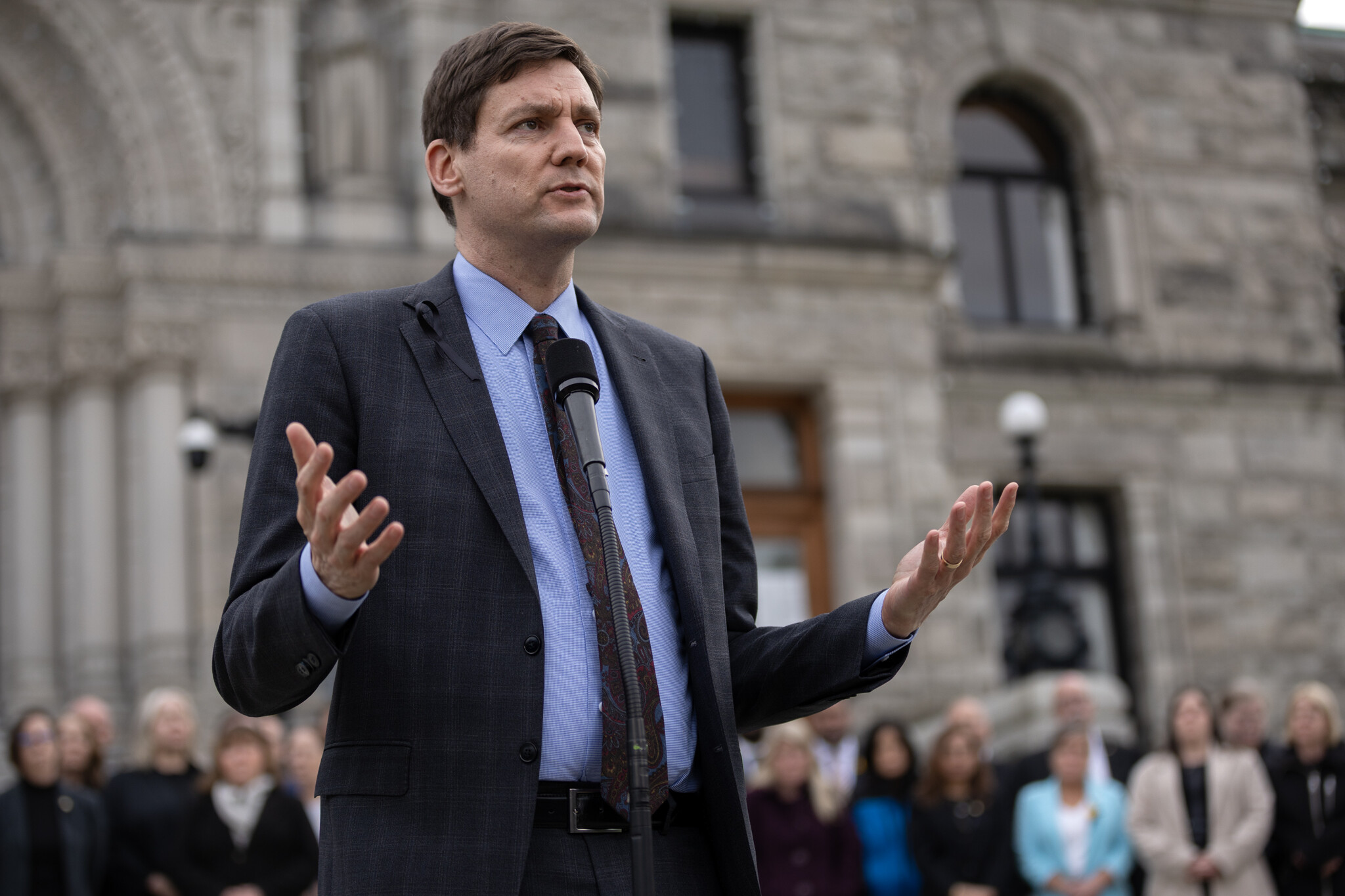

Moody’s credit downgrade of British Columbia last week is a judgment on a jurisdiction that has stopped treating fiscal discipline as a governing obligation and now considers it an optional inconvenience.
On the surface, Moody’s credit ratings feel like one of those competitions awarding participation medals: after all, no government gets anything worse than a grade of C. Variations abound of As, double As, and triple As.
Even B.C.—with record and structural deficits, mounting debt, and “marked deterioration in the province’s credit fundamentals”—scores seemingly good marks across categories: A1 in baseline credit; Aa2 in long-term issuer and senior unsecured debt ratings; and (P)Aa2 in its senior unsecured program and shelf ratings. Who doesn’t love a straight-A report card?
But only a year ago, the ratings were one or two notches better and the economic trajectory far rosier. Today, there is little evidence of any near-term bounce-back, only slightly smaller deficits and slightly smaller debt growth. There is no pipeline in the pipeline—no megaproject at all—to spur sudden revenue to cover the crater. This is a challenge of managing what you have, not what you hope you will or wish you did, and the performance is hardly earning salutes.

On B.C.’s own current ratings page, Moody’s, S&P, Morningstar DBRS, and Fitch all carry negative outlooks or trends on the province. When every major agency looking at the books is leaning the same way, the government cannot plausibly dismiss the concern as technocratic nitpicking or ideological fussiness.
Which is not to say it doesn’t try in various ways.
Even with the $13.3 billion deficit, projected $183 billion debt, and interest bite of 6 cents of every revenue dollar to service, Finance Minister Brenda Bailey insists “nobody worries more about the deficit than I do.” Many British Columbians would take that bet. At the very least, she appears to be shouldering the stress for her boss, Premier David Eby, who insists he chose to continue spending in his recent budget over cutting “to meet a credit rating.”
British Columbia’s government, led by Premier David Eby, is under fire for its deteriorating fiscal management, highlighted by Moody’s recent credit downgrade. B.C. has shifted from fiscal discipline to prioritizing spending, resulting in record deficits and mounting debt. Despite Finance Minister Brenda Bailey’s assurances, the public and business community are skeptical. The government is framing the issue as compassion versus austerity, while the core concern is the unsustainable path of rising debt. The downgrade signals a loss of confidence in B.C.’s financial management, potentially leading to future economic challenges and reduced flexibility.
How does a credit downgrade impact British Columbia's ability to manage future economic challenges?
According to the article, what is the core issue the credit agencies have with B.C.'s fiscal policy?
What is Premier Eby's argument for continuing spending despite the credit downgrade?







Comments (0)