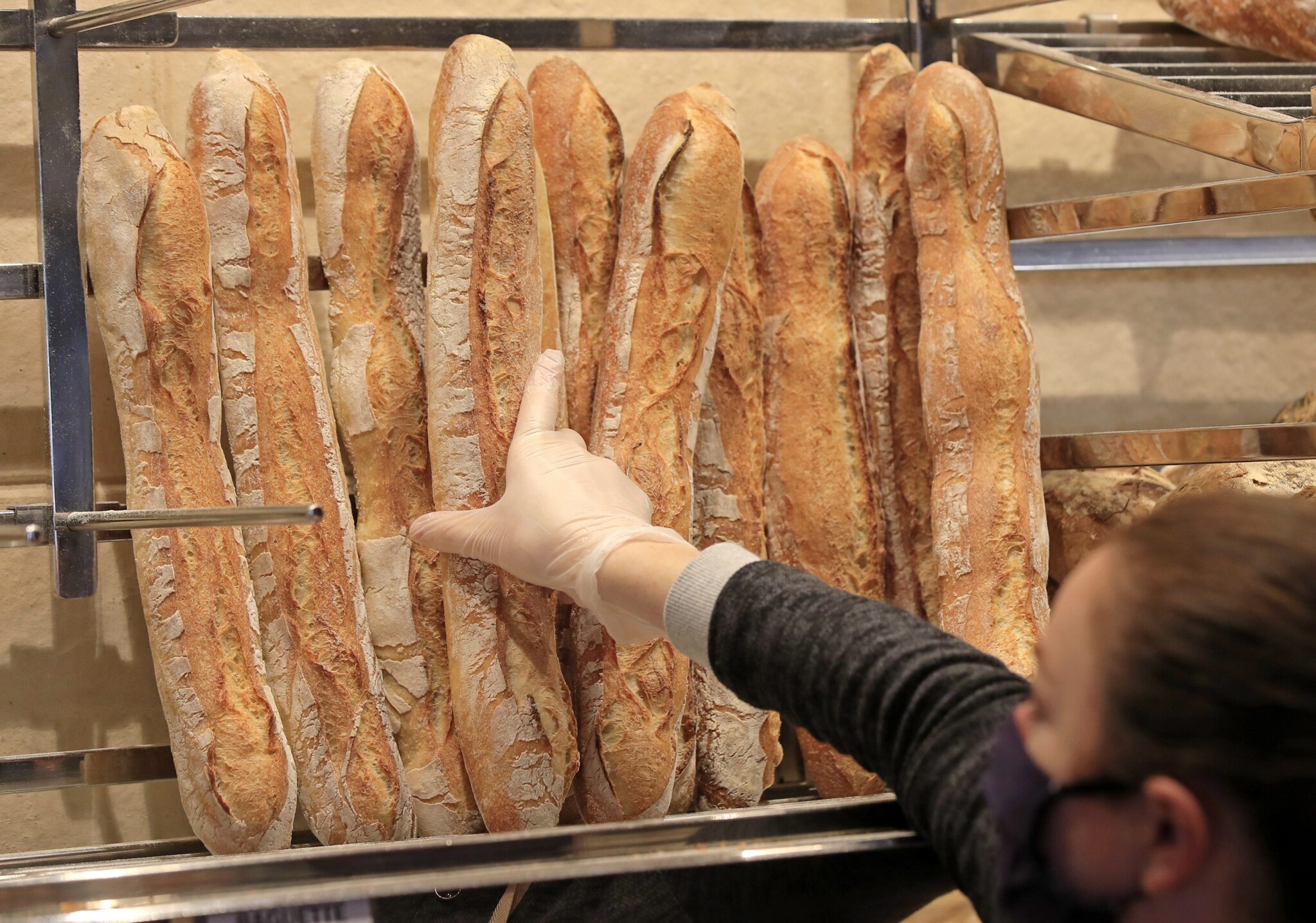
Has anything so good been the victim of so much bad press as “bread and circuses”? Ever since Juvenal decried the concerns of Romans who had traded their republican responsibilities for free food and frivolity as “panem et circenses,” the phrase has been applied disapprovingly to government policies that please the people. The Hub is no exception. With so many reasons to criticise soccer, the editors decried government spending on the World Cup as “bread and circuses” on the valid, if mundane, grounds of fiscal economy.
The label is pungent with puritan judgement. The real problem with bread and circuses, you see, is that people like them, which is a curious criticism in a democracy. Ironically, Juvenal applied the phrase to Romans, who, after the fall of the Republic, lost interest in politics because the politicians, who no longer needed their votes, stopped buying them off in other ways, appeasing them instead with free grain (bread) and chariot races (circuses).
I don’t accept the critique. I like a circus, and I absolutely love bread. If that’s your political proposition, I don’t even need to hear the rest of your platform: you have my vote. In any case, the critics’ scorn is impotent. Governments of all stripes will always provide some kind of “bread and circuses”: in a democracy, because the popular will demands them, and in non-democracies, because placation requires them.

Our Liberal government loves bread and circuses, if by “bread” we include cheaper food and by “circuses” we include sports subsidies. What else are the grocery rebate and the World Cup? I don’t know what Juvenal would make of our supply-managed dairy and poultry, where no government apparently dares defy the public’s desire for more expensive milk and eggs, but an old-fashioned, Roman-style grain dole would no doubt be quite popular today.
In New York, Mayor Mamdani’s public grocery stores are eagerly anticipated (not least by free marketers eager to see them fail), but whether it’s bipartisan American farm bills or the EU’s Common Agricultural Policy, there is nothing new about subsidised foodstuffs. Years ago I heard that the French government ensures that a glass of domestic wine will always be cheaper than a glass of Coca-Cola. I don’t know if that is still true (or ever was), but it strikes me as a sound prescription for a happier people.
As for circuses, is a little popular fun really so terrible? As Fr. Raymond de Souza wrote last month about the temporary cancellation of the RCAF’s Snowbirds, “[t]he tyrannical abuse of spectacle does not discredit the proper use of spectacle; governments discharge a proper duty of promoting patriotism and pride when they provide for inspiring monuments, grand festivals, national celebrations.” Quite so. Though, as with free bread, it depends on what, exactly, the government is offering us by way of diversion.

An artist of the Bucharest Metropolitan Circus perform during an event marking the day when the Romanian capital was first mentioned in historical records, 566 years ago, in Bucharest, Romania, Saturday, Sept. 20, 2025. Vadim Ghirda/AP Photo.
Government cheese is gross, not because it is free, but because it is terrible cheese. But if the government made it cheaper to grow and sell glyphosate-free bread, that would be grand. Similarly, with current policies like free drugs, online gambling, and tax-incentivised pornography, the waste of money is far from the worst part. But subsidising the Snowbirds and summer symphonies is fine with me. I can certainly think of worse things my taxes pay for: education faculties, for one, and the Human Rights Museum.
Am I just defining away the usual critique by limiting the phrase to the kinds of bread and circuses I favour? Of course, but everyone who uses the phrase pejoratively also does so selectively. So, presumably, did Juvenal, whose resentment of Roman masses–the “mob of Remus,” as he called them–seethed until it suppurated into his satires.Martial described Juvenal moving from the sprawling Roman slum of Subura to grub commissions from the wealthy toga-clad patrons on the Aventine hill in Epigram 12.XVIII. Like Juvenal, whether we dismiss government policy as “bread and circuses” depends on whether the inducements in question offend or please us.
View reader comments (5)
This is why a Canadian journalist will label Donald Trump’s White House cage fight “bread and circuses,” (it was both gross and more significant than that) but you won’t hear the legacy media dismiss “community food security” programs, which more closely resemble the Roman grain dole, as mere “bread” or government funding of the CBC, the National Film Board, or even a literal circus, Cirque du Soleil, as “circuses.”
When it comes to bread and circuses, it’s a matter of taste: one man’s universal child care benefit is another’s beer and popcorn.

Howard Anglin is a doctoral student at Oxford University. He was previously Deputy Chief of Staff to Prime Minister Stephen Harper, Principal…
“Bread and circuses” is a disparaging phrase these days, applied to politicians who would rather distract with spectacle than govern with substance. But there are worse political programmes to pursue than one built on bread and circuses. And often, the value of such is in the eye of the beholder: one’s frivolous spending is another’s essential subsidy of what makes life worth living.
Ask about this article — or anything in Canadian politics, economics, and public policy — powered by The Hub’s 5,000-article archive and deep area expertise.





Comments (5)
Like most things government financed, the World cup and olympic games cost all taxpayers huge bundles of cash, but very few get to see the results first hand. But our government have taken the concept of buying our votes with our own money to an art form all of its own.