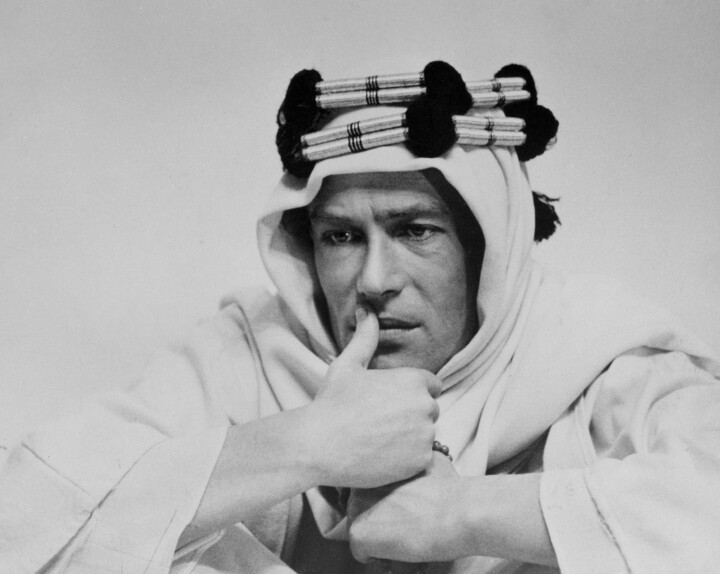
‘He became a myth’: How Lawrence of Arabia made the modern Middle East
Episode Description
Veteran war correspondent Scott Anderson discusses his book, Lawrence in Arabia: War, Deceit, Imperial Folly and the Making of the Modern Middle East, live at the Royal Canadian Military Institute.
Anderson explores the eccentric T.E. Lawrence’s transformation from British intelligence officer to a rebel fighting mercilessly for Arab independence, his pioneering guerrilla warfare tactics in the desolate desert, and his ultimate betrayal through the secret Sykes-Picot Agreement. The interview examines Lawrence’s conflicted loyalties, his rejection of British imperialism, and how the post-WWI partition of the Middle East planted seeds of war that continue to be felt today.
This episode was taped live on February 11, 2026, as part of the RCMI’s military history night series.

Episode Summary
The story of T.E. Lawrence continues to resonate more than a century after World War I, offering insights into guerrilla warfare, imperial betrayal, and the complexities of Western intervention in the Middle East. His experiences during the Arab Revolt against Ottoman forces have become increasingly relevant as military strategists and historians examine the failures of recent Western military campaigns.
Lawrence’s transformation from an Oxford-educated archaeologist to a key figure in Middle Eastern warfare illustrates how extraordinary circumstances can elevate individuals beyond their expected roles. His early travels through the region and willingness to endure extreme physical hardship allowed him to gain acceptance among Arab tribes in ways few Westerners could achieve. This acceptance proved crucial to his later military effectiveness.
The guerrilla tactics employed during the Arab Revolt demonstrated principles that would later appear in conflicts from Vietnam to Afghanistan. Rather than attempting conventional military victories, the strategy focused on maintaining pressure through continuous disruption of supply lines while avoiding the burden of holding territory or managing prisoners. This approach kept enemy forces overextended and defensive, proving far more effective than frontal assaults.
The diplomatic betrayal that occurred during and after World War I remains one of the most significant factors in shaping the modern Middle East. British promises of Arab independence were secretly contradicted by agreements to divide the region with France. This duplicity created a moral crisis for those aware of both commitments, leading to conflicts between military duty and personal conscience that would have profound consequences.
The contrast between warfare in different theaters of World War I helps explain why certain narratives captured public imagination. While most soldiers died inglorious deaths in trenches on the Western Front, the desert campaign offered a romantic alternative that could be more easily mythologized. This romanticization, however, obscured the brutal realities and ultimate failure of the mission.
The psychological toll of warfare and betrayal manifested in lasting trauma. The final years following the conflict were marked by withdrawal, depression, and a deliberate rejection of authority and recognition. This personal tragedy reflected the broader historical tragedy of how imperial powers carved up territories with little regard for local populations or previous commitments.
Contemporary military doctrine around winning hearts and minds has repeatedly failed to account for fundamental realities about power and loyalty. Civilian populations align with whoever controls their immediate environment, making temporary presence and goodwill gestures ineffective without sustained territorial control. This lesson from early twentieth-century guerrilla warfare remains unlearned in modern conflicts.
The question of whether individual actors truly shape historical outcomes remains debatable. Imperial powers were determined to expand their territories regardless of specific personalities involved. The mindset of empire consolidation dominated strategic thinking, making certain outcomes nearly inevitable despite individual efforts to alter them.
This summary was prepared by NewsBox AI. Please check against delivery.
Scott Anderson’s book explores T.E. Lawrence’s transformation from a British intelligence officer to a leader in the Arab Revolt. The discussion highlights Lawrence’s guerrilla warfare tactics, his conflicted loyalties, and the betrayal of Arab independence through the Sykes-Picot Agreement. The post-WWI partition of the Middle East, driven by imperial ambitions, planted the seeds for ongoing conflicts. The romanticized narrative of Lawrence obscures the brutal realities of the mission and the psychological toll of warfare. The episode emphasizes the failures of Western intervention and the enduring relevance of Lawrence’s story in understanding modern Middle Eastern conflicts and the complexities of power dynamics.
How did the Sykes-Picot Agreement undermine the Arab Revolt and what lasting impact did it have?
What lessons from Lawrence's guerrilla warfare tactics are still relevant to modern military strategy?
To what extent did T.E. Lawrence's personal experiences reflect the broader historical tragedy of imperial actions in the Middle East?


Comments (0)