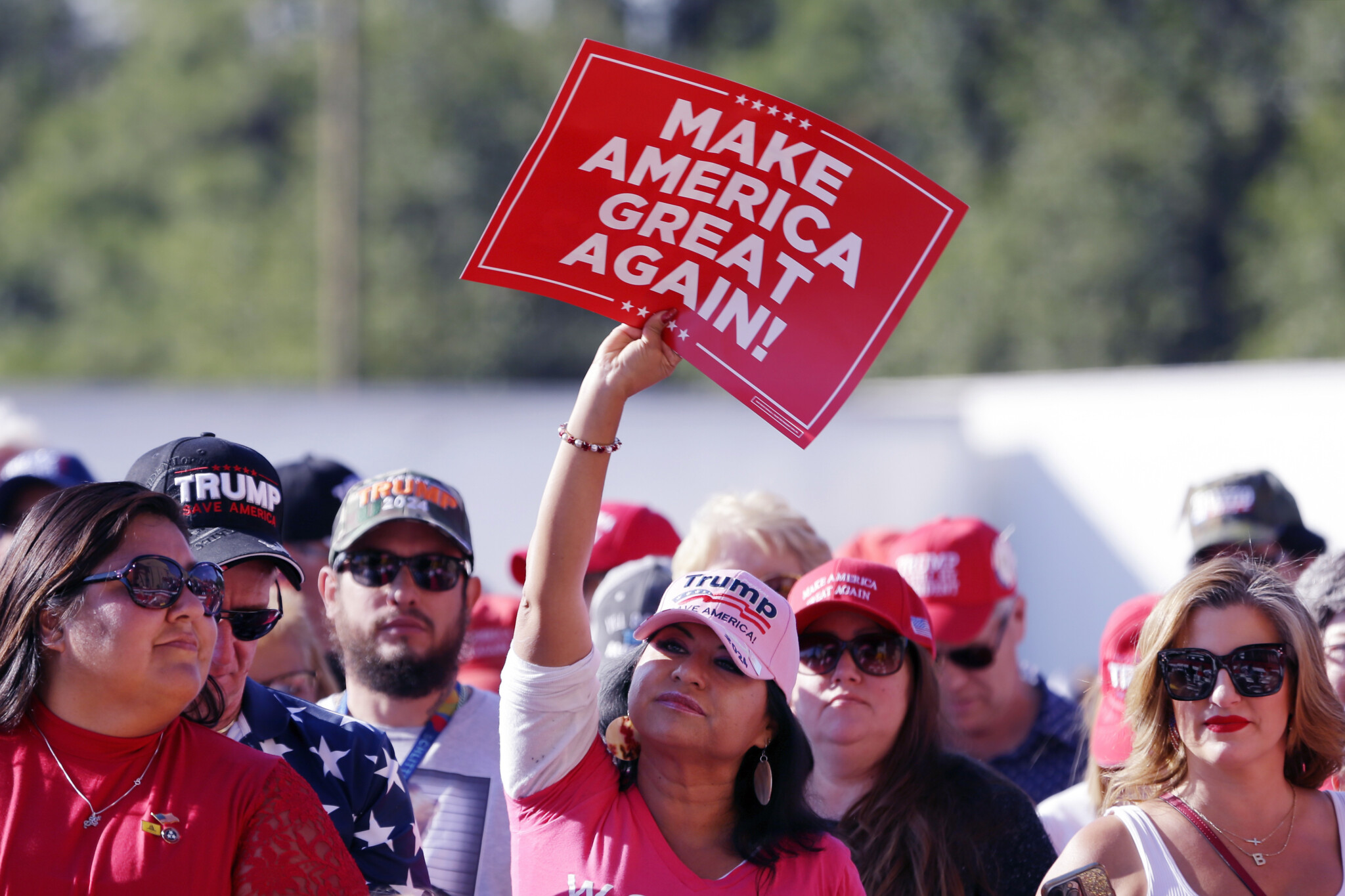
‘A civil war’: The Roundtable breaks down the future of MAGA and wraps up a turbulent 2025
Rudyard Griffiths and Sean Speer discuss the escalating civil war within the MAGA movement in the United States, sparked by conservative commentator Ben Shapiro’s recent high-profile speeches where he called out antisemitism and conspiracism on parts of the American Right. They explore how right-wing figures like Candace Owens are pioneering a new style of conspiracy-driven political discourse, the fragmentation of conservative media gatekeeping, and why these developments matter here in Canada.
In the second half of the show, they discuss the highs and lows at The Hub in 2025, how the organization managed changing political and technological developments, and what to look forward to in 2026.
You can listen to free versions of this episode on Amazon, Apple, and Spotify.
If you liked what you heard in the first half of the program and wish to subscribe to full-length editions of The Roundtable, please consider becoming a Hub Hero. Hub Heroes also get access to all our paid content on TheHub.ca. All these benefits are conferred for one year. Sign up now!

Program Summary
This is an automated summary. Please check against delivery.
The American conservative movement faces growing internal tensions as prominent figures clash over the direction and ideological boundaries of right-wing politics in the post-2024 election landscape. Recent events at major conservative gatherings have highlighted deepening fractures between traditional conservative voices and emerging influencers who embrace more radical positions.
The conflict centers on fundamental questions about what ideas and figures should be considered acceptable within mainstream conservatism. Traditional conservative intellectuals have begun pushing back against podcasters and media personalities who have gained massive followings by promoting conspiracy theories and flirting with extremist viewpoints. This represents one of the first significant attempts by establishment conservative voices to reassert ideological boundaries in an increasingly fragmented media environment.
The rise of radicalism on the American right appears driven by both supply and demand factors. Polling data suggests growing numbers of young conservatives are drawn to conspiracy theories and alternative narratives about American politics and foreign policy. Meanwhile, changes in social media platforms have increased the availability and visibility of such content, creating a self-reinforcing cycle that pushes discourse toward more extreme positions.
The fragmented nature of modern media has eliminated traditional gatekeepers who once policed ideological boundaries within political movements. In previous decades, influential figures could effectively exclude extremist voices from mainstream conservative discourse. Today’s decentralized information ecosystem makes such gatekeeping far more difficult, as content creators can build profitable audiences by appealing to narrow but intensely engaged segments of the political spectrum.
Antisemitism has emerged as a particularly divisive issue within conservative circles. Some prominent voices have promoted content that includes antisemitic themes or provided platforms for figures associated with white supremacist movements. This development is especially striking given that conservatives had recently claimed moral high ground by criticizing antisemitism on the political left. The shift has created a horseshoe effect where far-right positions increasingly align with far-left hostility toward Israel and Jewish communities.
The style and format of emerging conservative media differs markedly from traditional political commentary. New influencers blend celebrity gossip dynamics with political content, creating programming that focuses more on interpersonal drama within the movement than substantive policy debates. This approach generates engagement through constant controversy and personal conflicts rather than ideological discussion.
These developments carry implications beyond American borders. Conservative podcasters who promote controversial content rank among the most popular political voices in Canada and other countries, meaning their influence extends throughout the English-speaking world. The outcome of current internal conservative debates will shape not only American politics but also conservative movements internationally.


Comments (0)