‘A de-facto majority?’: Mark Carney secures another Conservative floor crosser
You can listen to this episode on Amazon, Apple, and Spotify.
Episode Description
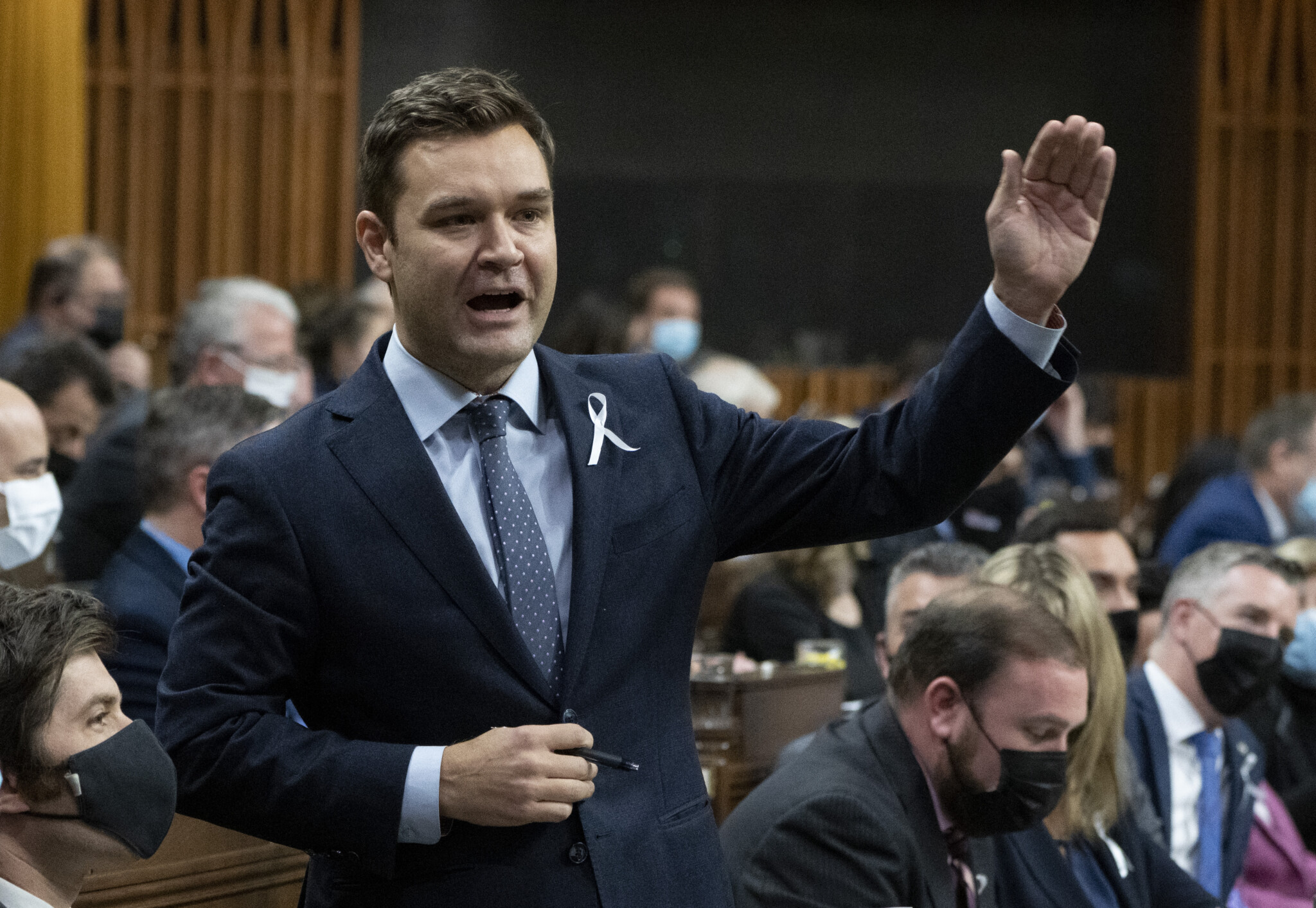
Rudyard Griffiths and Sean Speer discuss Conservative MP Matt Jeneroux crossing the floor to the Liberal Party, which brings Carney within three seats of a majority government. They examine whether upcoming byelections could deliver Carney a majority without a general election, the political implications of governing with a narrow majority versus a larger mandate, and Pierre Poilievre’s weakened position. They then explore Carney’s ruthless political pragmatism, the legitimacy of floor crossings in parliamentary democracy, and the Conservative Party’s diminished standing.

Episode Summary
Canadian politics has entered a period of significant realignment as another Conservative member of Parliament has crossed the floor to join the Liberal government, bringing Prime Minister Mark Carney closer to securing a majority government. This latest defection represents the third such crossing since Carney took office, fundamentally altering the parliamentary arithmetic and raising questions about the timing of the next federal election.
The floor-crossing carries particular weight because it involves a more established Conservative parliamentarian with deeper party roots and a more prominent role within the opposition caucus. This distinguishes the defection from previous crossings, which involved newer members with less institutional connection to the Conservative Party. The move leaves the government just three seats short of a majority, though upcoming by-elections in Liberal-held ridings could effectively deliver that majority without requiring a general election.
The development has sparked debate about the legitimacy of achieving majority status through floor-crossings rather than electoral mandate. Critics note that voters in the riding consistently elected Conservative representatives, and the shift in allegiance fundamentally alters the balance of power that voters established in the previous election. The transformation from minority to majority government through such means raises questions about democratic accountability and the role of individual members in parliamentary systems.
Political observers suggest the Conservative Party may face a strategic dilemma in responding to these developments. While floor-crossings represent embarrassing losses that undermine party cohesion, they may paradoxically serve Conservative interests by preventing a general election that current polling suggests would deliver a much larger Liberal majority. A narrow majority achieved through defections could prove less threatening to Conservative prospects than a decisive electoral defeat.
The situation also highlights broader challenges facing the Conservative opposition since the change in American administration. The party has struggled to find its political footing and articulate a clear position in a dramatically altered political environment. The inability to prevent defections from caucus ranks suggests deeper organizational and strategic difficulties that extend beyond simple vote counting.
For the Liberal government, the floor-crossings demonstrate political effectiveness but also present qualitative challenges. The current caucus largely consists of members nominated under previous leadership, potentially limiting the Prime Minister’s ability to implement his preferred policy direction. This tension between achieving numerical majority status and building a team aligned with current leadership priorities may influence decisions about election timing.
The composition of the Liberal caucus includes both progressive members aligned with previous policy directions and more centrist voices, creating potential friction over future policy choices. This internal diversity could complicate difficult negotiations on trade agreements and other contentious issues, particularly if those negotiations require compromising on long-standing party positions.
The political landscape reflects a broader pattern of pragmatic governance that has characterized recent Liberal strategy. The willingness to reverse previous policy positions and adopt opposition ideas demonstrates a flexible approach to maintaining power. This combination of idealistic public positioning and ruthless political calculation has proven effective in consolidating support while keeping opponents off balance.
This summary was prepared by NewsBox AI. Please check against delivery.


Comments (1)
I am starting to get exhausted with all the negative commentary regarding our rookie PM.
PThe real issue from my perspective is Poilievre, a career politician with no substantive business and/or global experience.
If we truly believe we are in a crisis with the USA, do you believe Poilievre is qualified to go head to head with Trump who is also an experienced business executive