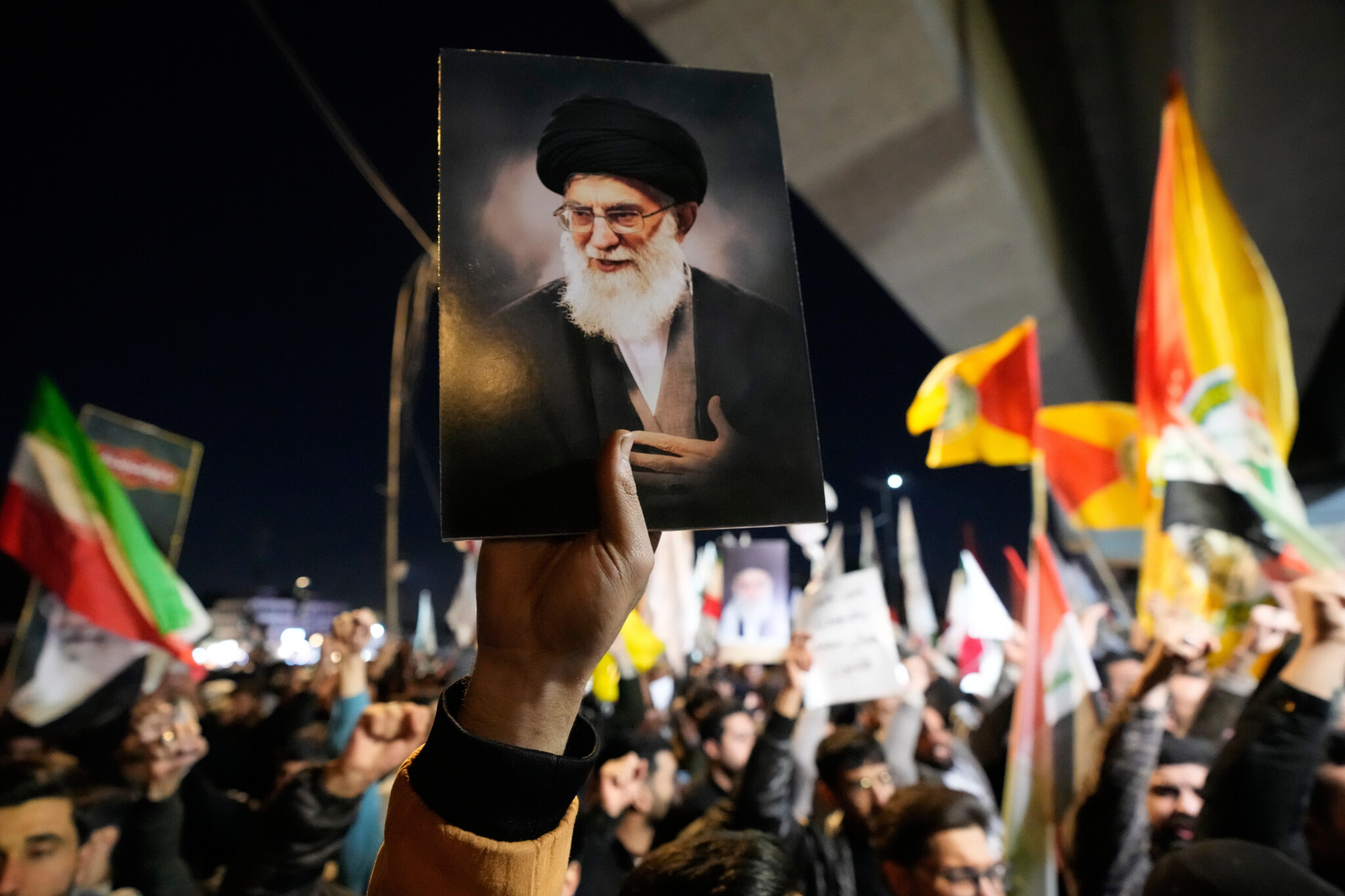
‘A full-throated endorsement’: Why did Carney break with Europe and back the U.S.-Israel attack on Iran?
You can listen to this episode on Amazon, Apple, and Spotify.
Episode Description
Rudyard Griffiths and Sean Speer discuss Prime Minister Mark Carney’s surprising endorsement of Trump’s military strikes on Iran. They explore the political calculations behind Canada’s break with European allies, questioning whether domestic electoral considerations or trade strategy drove the decision. They also examine tensions between Carney’s Davos speech and his support for what has been characterized as an illegal war.

Episode Summary
Prime Minister Mark Carney’s recent endorsement of American military strikes against Iran has sparked debate about Canada’s evolving position in international affairs and its relationship with the United States. The statement marked a notable departure from Canada’s traditionally cautious approach to unilateral military action and raised questions about the country’s commitment to multilateral diplomacy.
The Canadian government’s position stands in contrast to responses from European allies, who have called for de-escalation and diplomatic engagement. France and other European nations emphasized the dangers of escalation while urging Iran to pursue negotiations regarding its nuclear and ballistic programs. Canada has previously aligned itself with these European partners on Middle Eastern policy, including recognition of Palestinian statehood, making the divergence on Iran particularly striking.
This shift represents a significant change from Carney’s earlier approach to Middle Eastern conflicts. Previous government statements on regional tensions adopted more measured language, emphasizing balance and diplomatic solutions. The current position also differs from Canada’s historical reluctance to support American military interventions without clear international legal frameworks or imminent threats to national security.
The timing and nature of the endorsement have prompted analysis of both domestic and international factors influencing Canadian foreign policy. Canada’s Iranian diaspora community, concentrated in key electoral districts, has long opposed the Tehran regime and welcomed international pressure for change. Political considerations regarding voter sentiment in competitive ridings may play a role in shaping government positions on international issues.
Beyond domestic politics, the decision reflects broader challenges facing middle powers in an era of great power competition. Recent speeches by Canadian leadership emphasized the importance of multilateral cooperation and rules-based international order. However, the Iran situation presents a test case for how these principles apply when major allies pursue unilateral action.
Questions have emerged about the legal foundations of the military strikes. The action proceeded without United Nations Security Council authorization and without congressional approval in the United States. Traditional international law principles regarding imminent threats and proportional response have been invoked by critics questioning the legitimacy of the intervention.
Historical precedents offer perspective on the potential long-term implications of supporting controversial military actions. Previous Canadian governments demonstrated caution when faced with American military initiatives lacking broad international support. That approach, particularly regarding the Iraq War, became viewed as politically astute and consistent with Canadian values regarding multilateralism and international law.
The current situation highlights tensions between tactical diplomatic considerations and principled foreign policy positions. Supporting a major American initiative without committing military resources or financial support represents a low-cost way to demonstrate alliance solidarity. However, this approach may create complications if military success proves difficult to translate into stable political outcomes.
This summary was prepared by NewsBox AI. Please check against delivery.

Comments (1)
I’m checking for pigs flying overhead because for the very first time, I agree with Carney and disagree with your take (rest assured, I’ll be surprised if it ever happens again). Of course I wish it hadn’t been Trump doing this and I wish that they’d asked congress first. But it seems manifestly obvious that this is the right thing to do. Rutte, the head of NATO, is coming out enthusiastically in support of this war. German Chancellor Merz rightly points out that Iran, the world sponsor of terrorism, does not get to hide behind the niceties of international law. And there’s a fascinating piece in the Free Press by Zineb Riboua (“The Iran Strike is All About China”), that outlines how this war could prevent something far worse coming out of China next year.