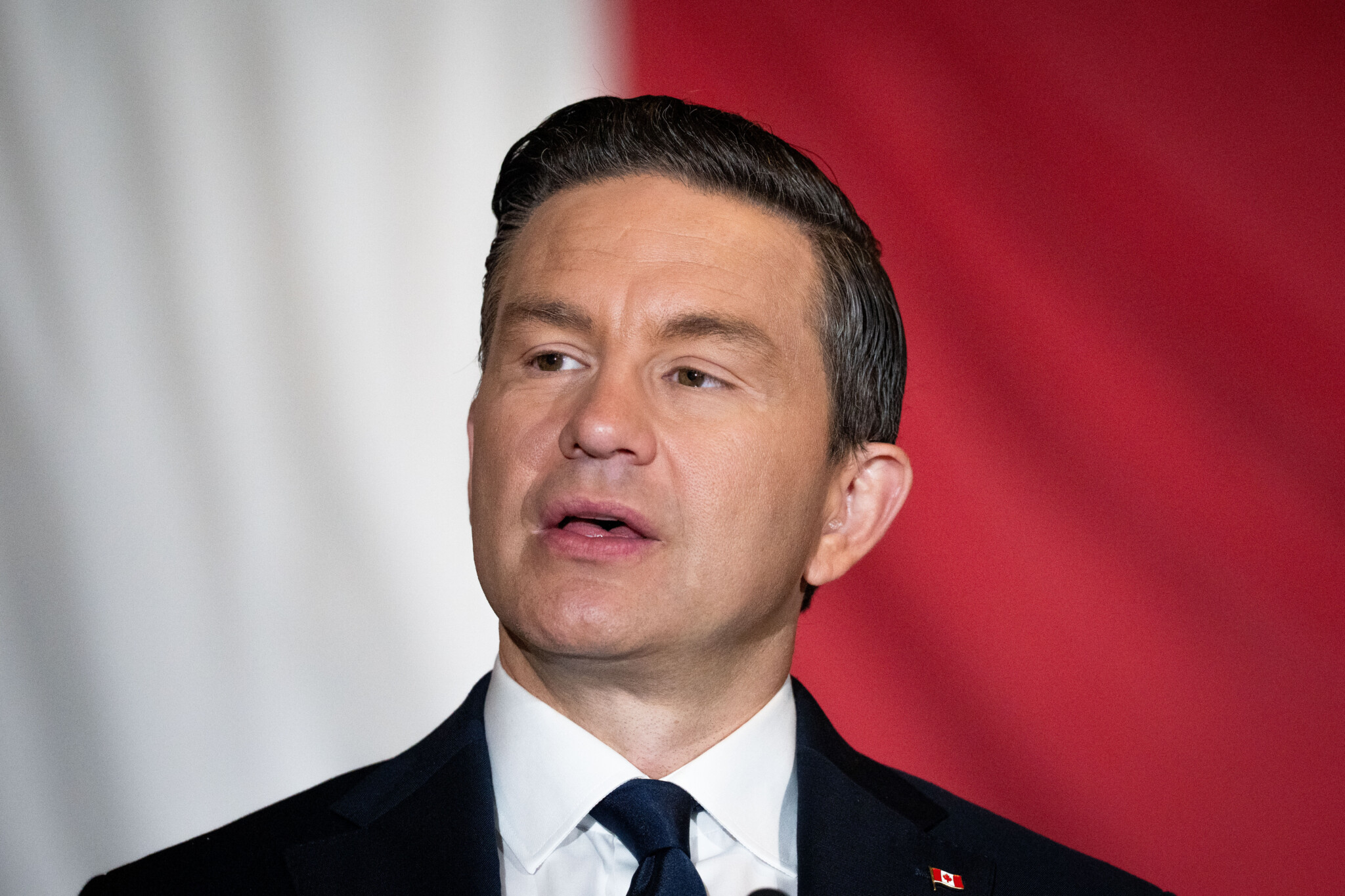
‘A good speech—but not a lot is new’: Did Poilievre’s big speech on Trump, China, and the economy hit the mark?
You can listen to free versions of this episode on Amazon, Apple, and Spotify.
Episode Description
Rudyard Griffiths and Sean Speer discuss Conservative leader Pierre Poilievre’s major speech on Canada-U.S. relations and the Trump administration. They examine the strengths of Poilievre’s speech, from his diagnosis of Canada’s domestic economic weaknesses, rejection of the “rupture thesis” that frames Trump as the permanent new normal, and his tougher stance on China. They also discuss the weaknesses of the Conservative leader’s speech, including his tone toward Trump, which lacked the nationalist edge some expected, and his embrace of economic nationalism and digital sovereignty.
In the second half, they discuss AI’s potential economic disruption, exploring competing economic projections about labour displacement. They examine whether society can manage the transition to an AI-transformed economy without significant political and social upheaval.
If you liked what you heard in the first half of the program and wish to subscribe to full-length editions of The Roundtable, please consider becoming a Hub Hero. Hub Heroes also get access to all our paid content on TheHub.ca. All these benefits are conferred for one year. Sign up now!

Episode Summary
Canada’s Conservative Party leader delivered a major policy address this week that signals a strategic repositioning on the country’s relationship with the United States amid ongoing tensions with the Trump administration. The speech, heavily promoted in advance as a significant policy statement, comes more than a year into Trump’s second presidency and represents an attempt to chart a distinct path forward for Canadian conservatism.
The address focused heavily on domestic economic reform as the primary response to continental challenges. The Conservative vision emphasizes reducing regulatory burdens, lowering taxes, and improving government efficiency rather than pursuing large-scale state-directed interventions. This approach stands in sharp contrast to the current Liberal government’s strategy, which favors increased public investment and centralized economic planning to address trade vulnerabilities and reduce dependence on American markets.
A central theme of the speech involved questioning whether fundamental changes to Canada’s economic orientation are necessary or wise. While the Liberal government has argued that the international order faces a structural rupture requiring dramatic policy shifts, Conservative thinking suggests this may overstate the permanence of current disruptions. The Conservative position maintains that Canada’s future remains tied to North American economic integration, viewing proximity to the United States as a long-term advantage despite present difficulties.
The speech also drew clear distinctions on China policy. As the Liberal government pursues renewed engagement with Beijing, including recent agreements on electric vehicles and other trade matters, Conservative policy advocates maintaining distance from China on both economic and strategic grounds. This represents perhaps the sharpest policy divide between the two parties on foreign relations.
However, the address drew criticism for its measured tone regarding the Trump administration itself. While affirming Canadian sovereignty and rejecting suggestions of political integration with the United States, the speech avoided the forceful nationalist rhetoric that some prominent conservative voices have employed. This calibrated approach has sparked debate about whether electoral considerations regarding party base supporters are constraining more aggressive positioning against American provocations.
Political observers note an apparent tension between the Conservative leader’s typically combative political style and the deliberately stoic approach adopted on continental relations. This contrast has raised questions about strategic calculations and whether concerns about alienating certain voter segments are influencing messaging decisions.
This summary was prepared by NewsBox AI. Please check against delivery.

Comments (0)