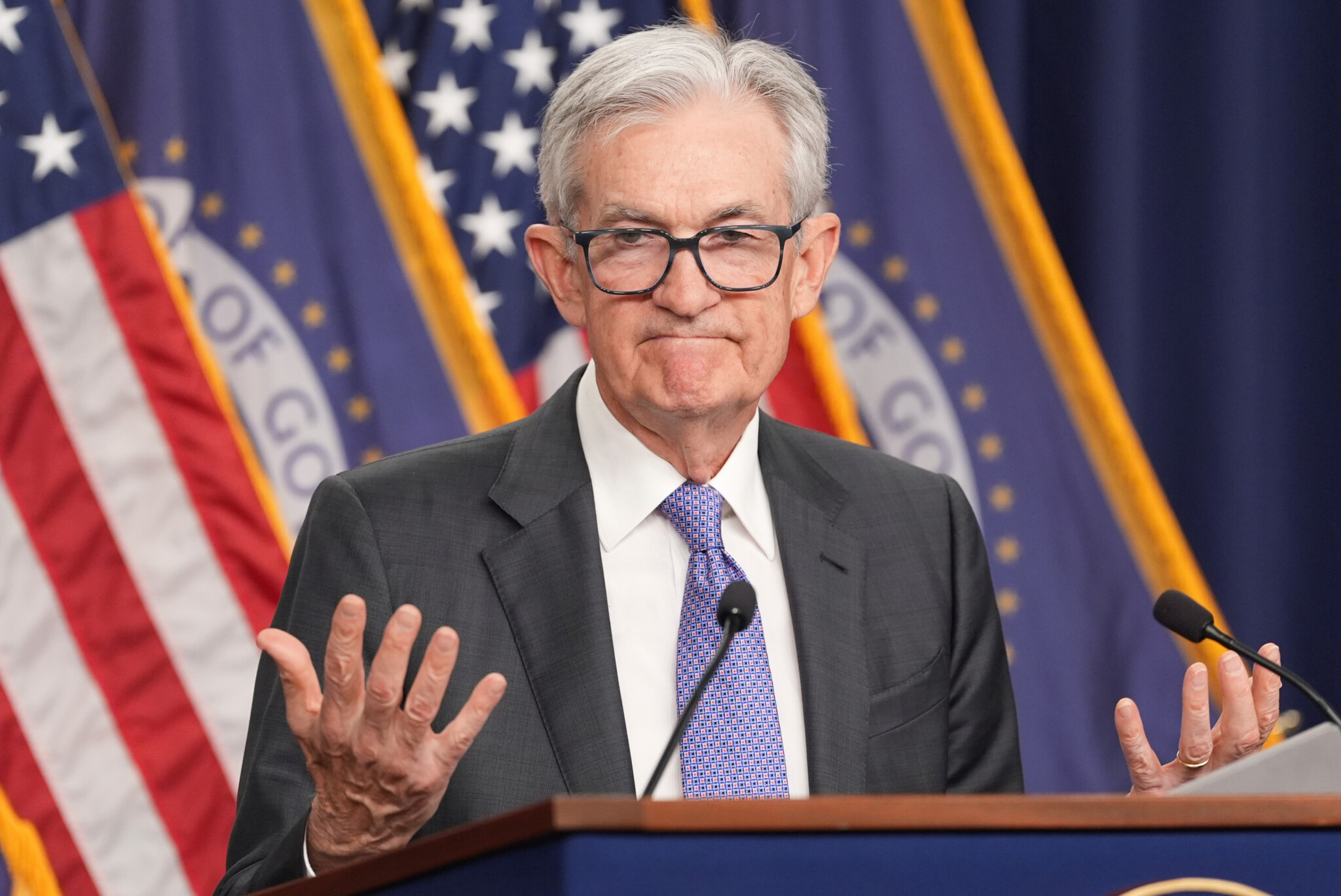
‘A politically motivated prosecution’: Did Donald Trump just declare war on the U.S. Federal Reserve?
You can listen to this episode on Amazon, Apple, and Spotify.
Episode Description
The Trump administration has initiated a criminal investigation into Federal Reserve Chair Jerome Powell, marking a significant escalation in tensions between the White House and America’s central banking system. The Justice Department is examining allegations related to Powell’s testimony before Congress regarding renovation projects at Federal Reserve buildings in Washington, a development that has raised concerns about the independence of key democratic institutions.
The investigation represents a departure from traditional boundaries between political leadership and monetary policy institutions. Central bank independence has been considered a cornerstone of economic stability in developed nations since World War II, allowing monetary policy decisions to be made based on economic analysis rather than political considerations. This separation has helped major economies avoid the hyperinflation that has plagued countries where political leaders directly control interest rate decisions.
Powell responded to the investigation with a public statement defending the Federal Reserve’s independence and emphasizing his commitment to serving the public interest rather than partisan political objectives. The response signals growing resistance within established institutions to what some observers characterize as expanding executive overreach.
The timing of the investigation has drawn particular scrutiny. With midterm elections approaching and economic headwinds from ongoing trade disputes affecting growth, pressure has mounted for lower interest rates to stimulate the economy. The administration’s tariff policies have created economic uncertainty, and artificial intelligence sector investments have masked underlying weakness in job growth and other economic indicators.

The situation raises broader questions about the weaponization of justice systems for political purposes. When law enforcement agencies become tools for advancing political agendas rather than administering justice impartially, democratic norms face serious challenges. This pattern extends beyond the Federal Reserve, with other officials who have disagreed with administration policies facing similar legal scrutiny.
Historical precedent demonstrates the dangers of political interference in monetary policy. Past episodes of central bank intimidation led to stagflation that required painful economic corrections, including recession-inducing interest rate increases to restore price stability. The independence of monetary policy has provided the United States with significant economic advantages, including the dollar’s status as the world’s reserve currency.
The dollar’s privileged position in global finance represents an enormous benefit to the American economy. International demand for dollars to conduct trade, issue bonds, and hold reserves effectively provides the United States with favorable borrowing terms. Any erosion of confidence in American institutional independence could threaten this arrangement, with profound long-term economic consequences.
The situation tests the resilience of democratic checks and balances. Congressional oversight, particularly Senate confirmation powers for Federal Reserve appointments, represents a constitutional mechanism for maintaining institutional independence. The response from legislators, including those within the president’s own party, will indicate whether traditional guardrails can withstand pressure from executive authority.
This is an automated summary. Please check against delivery.
Rudyard Griffiths and Sean Speer discuss the Trump administration’s criminal investigation into Federal Reserve chair Jerome Powell. They examine how this latest move threatens the central bank’s independence, a cornerstone of post-war economic stability, and how weaponizing the U.S. Justice Department represents authoritarian overreach. They then explore why politicians seek to manipulate monetary policy, the risks of abandoning independent rate-setting, and whether Canada’s stronger institutional norms could become a competitive advantage.

Comments (0)