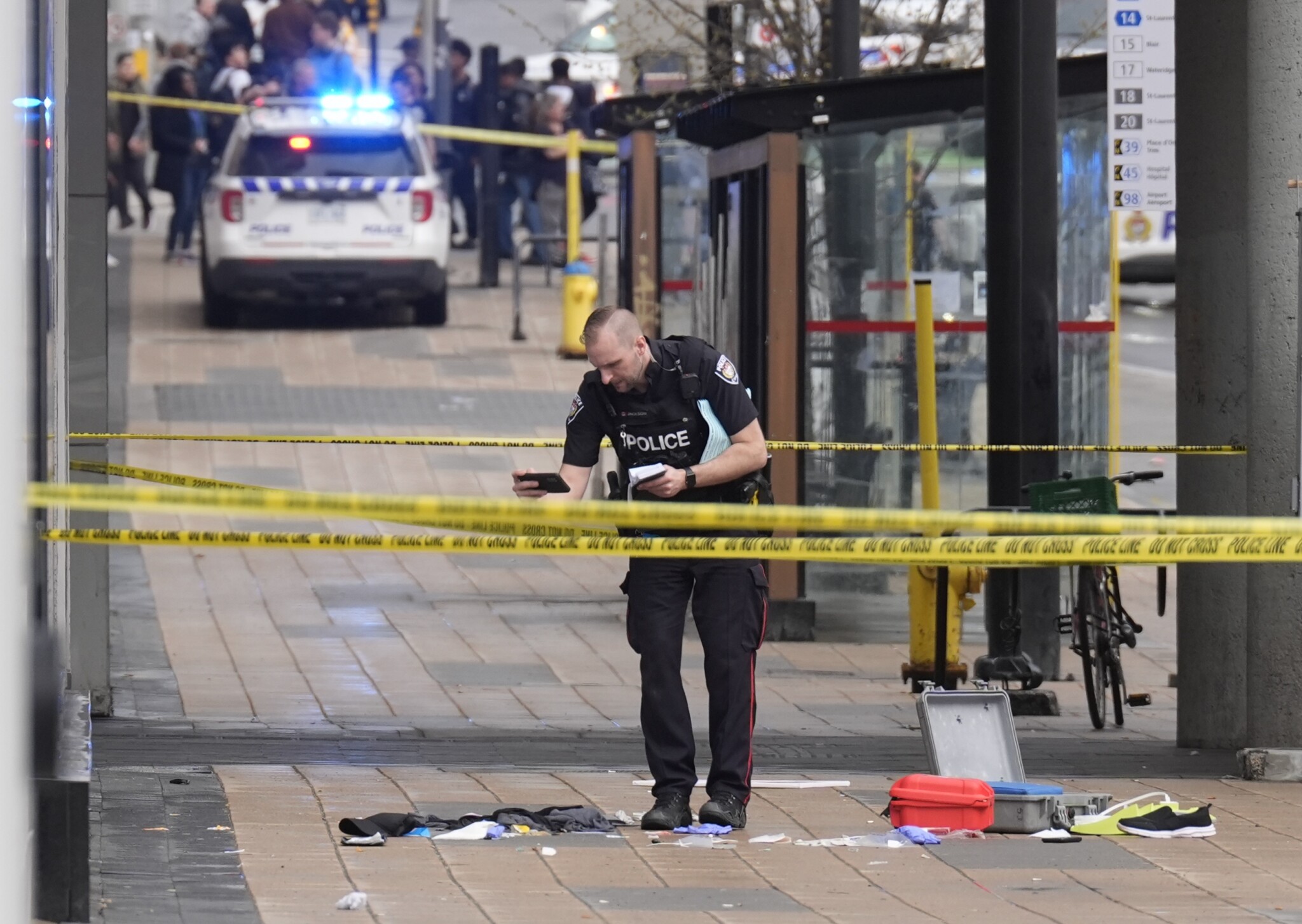
‘A system under crisis’: Why Canada needs to do more to address violent crime
You can listen to this episode on Amazon, Apple, and Spotify.
Episode Description
Dave Snow, associate professor at the University of Guelph, examines Canada’s declining police clearance rates and what they reveal about the criminal justice system. He explains how clearance rates are measured, why they’ve dropped significantly across all provinces, and the factors contributing to this decline—including rising violent crime severity, stagnant police resources amid rapid population growth, and system-wide capacity constraints. Snow argues Canada’s criminal justice system is reaching its limits and struggling to perform its core functions.
To read Dave Snow’s full analysis, click here.

Episode Summary
Canada’s criminal justice system faces mounting challenges as fewer crimes are being solved while violent offenses continue to rise across the country. Recent analysis reveals a troubling decade-long trend of declining police effectiveness in resolving criminal cases, raising questions about system capacity and resource allocation.
The clearance rate, which measures the percentage of reported crimes that police successfully solve, has experienced significant deterioration nationwide. This decline affects both violent and non-violent offenses, with the trend appearing consistently across provinces and major metropolitan areas. The pattern represents a reversal from the previous decade, when clearance rates were improving while crime rates decreased.
The measurement of police effectiveness extends beyond simple conviction rates. A case is considered cleared when police recommend charges or when circumstances prevent prosecution, such as suspect death or diversion to mental health facilities. Cases remain uncleared only when investigations continue, evidence proves insufficient, or victims decline to proceed. This means that prosecutorial decisions about whether to pursue charges do not impact clearance statistics.
The decline in solved cases coincides with rising violent crime severity across Canada. More complex and serious offenses require greater investigative resources, pulling police attention away from other cases. Organized crime incidents and sophisticated violent offenses demand significantly more time and personnel than traditional investigations, creating resource constraints that affect the entire system.
Population growth has compounded these challenges. While Canada’s population has increased substantially, the number of police officers has remained relatively stagnant. The ratio of officers per capita has decreased notably, meaning fewer law enforcement personnel are available to serve growing communities. This demographic shift occurred precisely as crime rates began climbing, creating what analysts describe as a perfect storm of increased demand and diminished capacity.
Some observers have suggested that changes in how police classify incidents might explain declining clearance rates. Reforms implemented in recent years placed greater scrutiny on cases deemed unfounded, particularly for sexual assault allegations. These changes appropriately increased the number of cases requiring investigation, potentially affecting clearance statistics. However, analysis indicates this factor accounts for only a small portion of the overall decline.
The challenges extend beyond policing to encompass the entire criminal justice system. Courts face significant backlogs, with substantial portions of cases being stayed or withdrawn. Provincial corrections systems house increasing proportions of individuals awaiting trial rather than serving sentences. Concerns about bail decisions and repeat offenders add further complexity to public safety discussions.
This summary was prepared by NewsBox AI. Please check against delivery.
Fault Lines examines the pressures pulling Canadian society apart and the principles that can hold it together. We look beyond headlines to understand how institutions, communities, and democratic norms are fraying. Our mission is to show how better choices can repair what is broken.
This episode focuses on the concerning trend of declining police clearance rates in Canada, indicating a potential crisis within the criminal justice system. Dave Snow, associate professor at the University of Guelph, analyzes the factors contributing to this decline, including rising violent crime severity, stagnant police resources amidst population growth, and system-wide capacity constraints. He highlights that fewer crimes are being solved, raising questions about resource allocation and system effectiveness. The decline affects both violent and non-violent offenses across all provinces. The article suggests the Canadian criminal justice system is struggling to perform its core functions due to these mounting challenges.
What are the key factors contributing to Canada's declining police clearance rates, as highlighted in the article?
Beyond policing, how is the broader Canadian criminal justice system affected by these challenges?
What is the 'clearance rate,' and why is its decline a cause for concern in Canada's criminal justice system?


Comments (0)