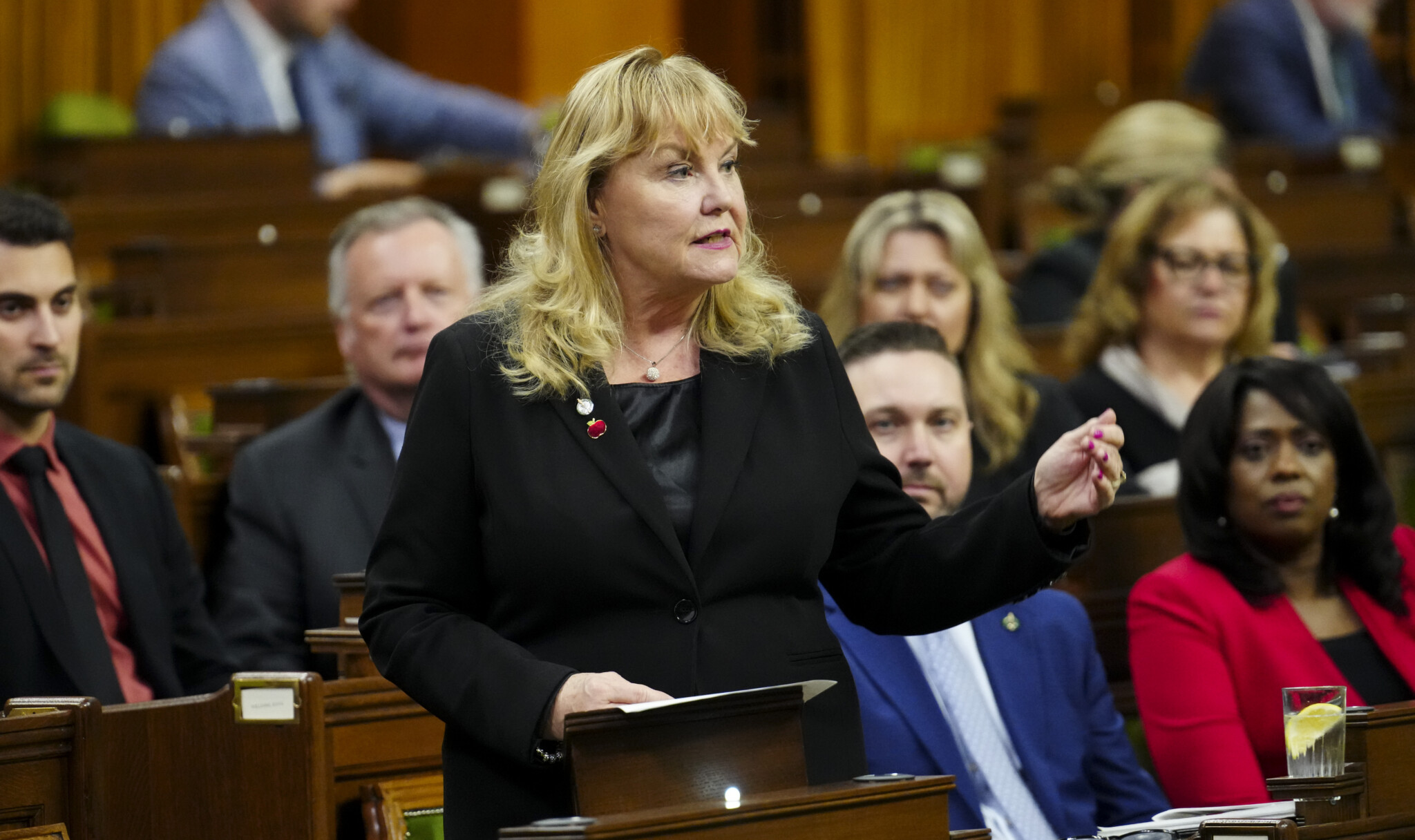
‘Common sense, not nonsense’: Kerry-Lynne Findlay makes her case to lead the BC Conservatives
You can listen to this episode on Amazon, Apple, and Spotify.
Episode Description
Former Harper cabinet minister Kerry-Lynne Findlay argues why she should be the next leader of the Conservative Party of British Columbia. She critiques Premier David Eby’s management of the province, insisting his government has made B.C. unaffordable through overtaxation and resource mismanagement. She raises concerns around Indigenous title being granted over urban land. Findlay adds that she has what it takes to unite the fractured conservative movement in B.C.
In the next few weeks, The Hub will interview the lead contenders vying to become leader of the BC Conservatives, and the next leader of the Official Opposition.

Episode Summary
British Columbia’s political landscape is witnessing renewed attention to conservative economic principles as the province grapples with affordability challenges and population outflows. This episode features former Harper cabinet minister Kerry-Lynne Findlay, stating her case for the position of BC Conservative leader.
She discusses many topics over the course of the conversation. The province faces significant economic pressures that are reshaping its demographic profile. Young British Columbians are increasingly seeking opportunities elsewhere, driven by concerns about housing costs and employment prospects. Food bank usage has reached levels that signal deeper structural problems in the provincial economy, while youth unemployment remains a persistent challenge. These trends have sparked debate about whether current fiscal policies adequately address the needs of working families.
Recent provincial budget measures have drawn criticism for expanding taxation rather than controlling spending. New sales taxes on professional services affect small businesses, while adjustments to income tax brackets impact earners across the economic spectrum. Critics argue these approaches represent a fundamental misunderstanding of how to stimulate economic growth and create sustainable prosperity.
Conservative political philosophy in British Columbia emphasizes proven approaches to fiscal management. Historical examples from federal governance demonstrate how simultaneous tax reduction and deficit elimination can be achieved through operational efficiencies rather than revenue increases. This model focuses on streamlining government operations, examining workforce needs through natural attrition, and eliminating redundancies without disruptive mass layoffs.
Questions about executive authority have emerged as significant political issues. Concerns about governmental overreach and bypassing normal legislative processes have raised fundamental questions about democratic accountability. The balance between executive efficiency and legislative oversight becomes particularly important during periods of economic uncertainty and geopolitical change.
Indigenous land agreements and their implications for property rights have generated substantial discussion. Historical disputes over land tenure, taxation authority, and property values demonstrate the complex intersection of Indigenous governance and private property ownership. These issues affect market valuations, lending practices, and the fundamental security of homeownership for thousands of residents. The challenge lies in balancing constitutional obligations to Indigenous communities with the property rights and economic interests of other residents.
Findlay argues that leadership experience and governmental competence are critical. The complexity of provincial governance requires an understanding of legislative processes, budget management, and intergovernmental relations. Experience in cabinet positions, legislative roles, and party management provides a relevant background for executive leadership. The ability to unite diverse political teams while maintaining a clear policy direction represents a crucial skill set.
This summary was prepared by NewsBox AI. Please check against delivery.
Kerry-Lynne Findlay, former Harper Cabinet Minister and BC Conservative leadership contender, critiques Premier David Eby’s management of British Columbia, arguing that overtaxation and resource mismanagement have made the province unaffordable. She proposes reducing deficits through efficiency and economic growth, drawing from her federal experience. The article highlights concerns about affordability challenges, population outflows, rising food bank usage, and youth unemployment. Findlay emphasizes the need for fiscal responsibility, streamlined government operations, and strategic resource development. The discussion also touches on Indigenous land agreements, executive authority, and the importance of leadership experience in addressing BC’s complex economic and political landscape.
How might Findlay's focus on efficiency address BC's affordability crisis, given concerns about overtaxation?
What are the potential economic consequences of BC's youth exodus, and how could policies address this trend?
How do Indigenous land agreements impact BC's economy and property rights, and what solutions are proposed?




Comments (0)