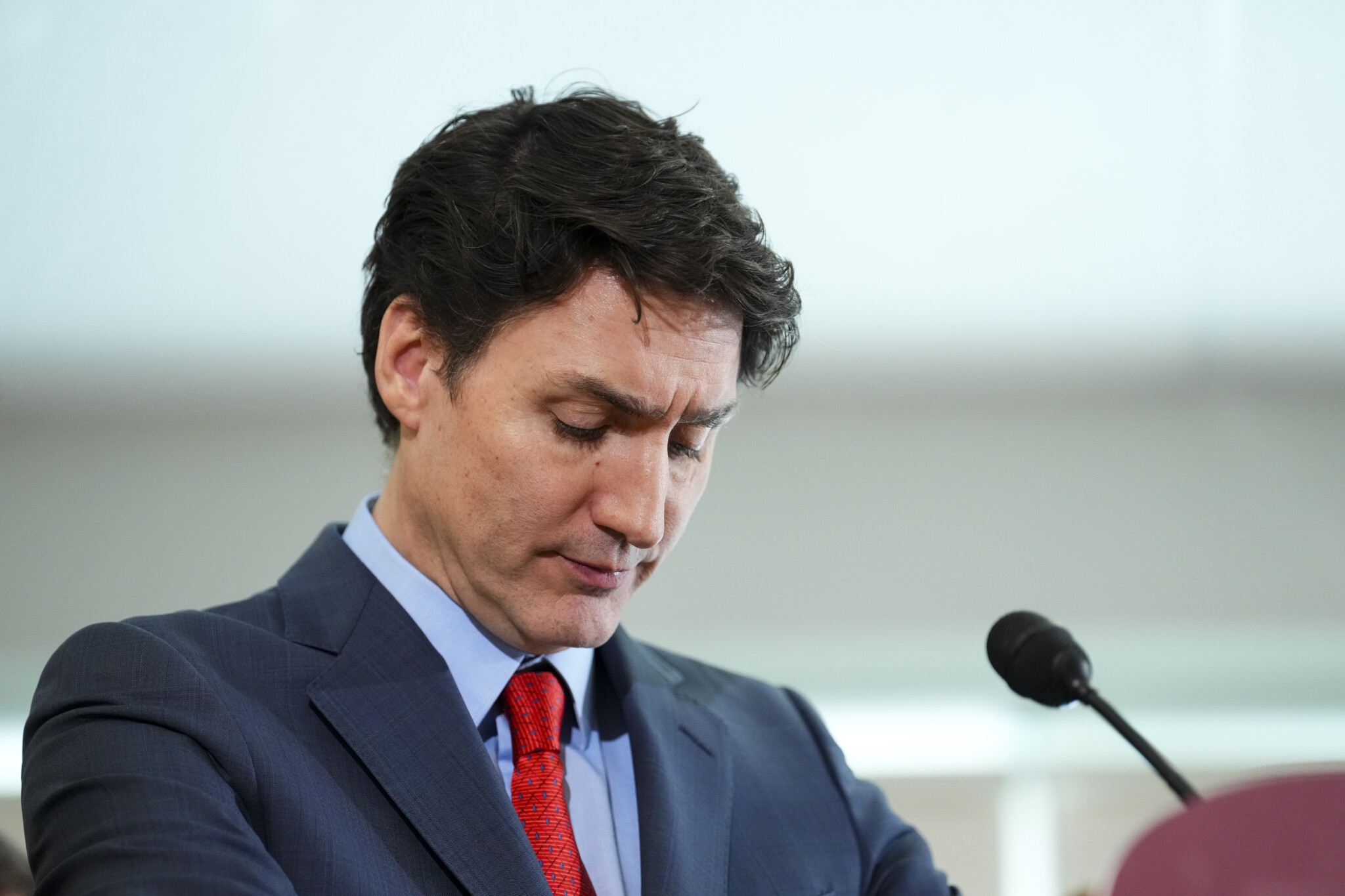
‘Huge loopholes’: Why Trudeau’s WE scandal is heading to the Supreme Court
You can listen to this episode on Amazon, Apple, and Spotify.
Episode Description
Canada’s federal ethics enforcement system faces mounting scrutiny as legal challenges expose fundamental weaknesses in how the country holds its most powerful officials accountable. At the heart of the debate lies a critical question about whether citizens can challenge government watchdogs in court when Parliament has attempted to shield these bodies from judicial review.
The Supreme Court of Canada recently heard arguments on this constitutional issue, which extends far beyond federal politics. Across the country, approximately 100 administrative tribunals operate in each province, with roughly 150 at the federal level. Many of the laws governing these agencies, boards, commissions, and tribunals contain provisions attempting to prevent court challenges on various grounds, creating what critics describe as a closed accountability loop.
The case emerged from controversy surrounding a government contract awarded to a charitable organization with connections to senior political figures, the WE Charity scandal. While one cabinet minister was found to have violated ethics rules for participating in the decision, another official with similar connections to the organization was cleared. This inconsistency has raised questions about how federal ethics laws are interpreted and enforced.
Central to the legal challenge is a provision in federal ethics legislation designed to prevent politicians and senior government officials from improperly furthering their own interests or those of family members, friends, or other entities. This rule applies to cabinet ministers, their staff, and approximately 3,000 top government decision-makers. However, enforcement of this provision has been inconsistent over the past two decades.
The broader systemic issues extend to how Canada’s democratic oversight mechanisms function. Politicians write the rules governing their own conduct and select the watchdogs responsible for enforcement. These ethics laws contain no financial penalties for violations, relying solely on public shaming as a deterrent. This stands in stark contrast to ethics rules governing other professions, where lawmakers have imposed substantial penalties for misconduct.
The appointment process for oversight officials presents another structural challenge. From ethics commissioners to senior law enforcement positions, those responsible for holding powerful officials accountable are often chosen by the very people they are meant to oversee. This creates inherent conflicts that undermine public confidence in the enforcement of democratic accountability laws.
Historical context reveals the evolution of these systems. Before formal ethics commissioners existed, Parliament judged its own members, but this rarely resulted in accountability for senior officials, particularly during majority governments. Prior to the mid-1980s, formal ethics rules for politicians did not exist at all. While the current system has flaws, it has at least created the possibility for findings of wrongdoing against senior officials, including prime ministers.
The Supreme Court decision, expected in the coming months, could have sweeping implications across multiple areas of administrative law. Beyond ethics enforcement, the ruling could affect landlord-tenant disputes, social welfare decisions, human rights commissions, and numerous other tribunals that impact daily life. Opening these bodies to court challenges could improve decision-making quality as watchdogs face greater accountability for their rulings.
This summary was prepared by NewsBox AI. Please check against delivery.
Duff Conacher, co-founder of the Canadian political accountability group Democracy Watch, discusses his organization’s Supreme Court case challenging a decision by the federal ethics commissioner that cleared then-prime minister Justin Trudeau of violating ethics laws during the WE Charity scandal.
He argues that allowing politicians to write their own rules and appoint their own watchdogs creates a closed accountability loop that undermines the rule of law and erodes democratic integrity. He explains how much corruption he’s witnessed in Canada after nearly 33 years of keeping a close eye on Canadian politicians.

Comments (1)
My concern with this approach is that the political opponents of any government (but primarily the progressive left) will consistently launch conflict of interest complaints against a government that attempts to legislate anything of a conservative nature. They will then use the courts to overturn decisions that they don’t like, and in doing so thwart the will of the electorate.