‘It has tricked tens of thousands’: How AI deepfakes are corrosive to journalism and social cohesion
You can listen to this episode on Amazon, Apple, and Spotify.
Episode Description
Canada finds itself at a critical juncture as global power structures undergo fundamental transformation, prompting a reassessment of traditional diplomatic and economic relationships. The changing landscape reflects broader trends in international relations where established hierarchies are being challenged and nations are seeking to reduce vulnerabilities exposed by recent global crises.
The concept of diplomatic ambiguity has emerged as a central tool in modern statecraft, particularly in how nations communicate strategic risks to international partners and investors. This approach allows governments to signal potential consequences and shifting alliances without making explicit declarations that might trigger immediate diplomatic fallout. The technique has become increasingly relevant as countries navigate complex relationships with multiple power centers.
Traditional American influence faces new constraints as global power becomes more distributed across regions. The emergence of alternative partnerships spanning Europe and Asia represents a fundamental shift in the strategic calculus that has governed international relations for decades. When threats from any single nation lose their monopolistic backing, the entire framework of international leverage undergoes transformation.
This redistribution of global influence creates both challenges and opportunities for middle powers seeking to assert their relevance on the world stage. The dynamic becomes particularly acute when nations face public dismissal of their strategic importance, as such rhetoric can paradoxically strengthen resolve to demonstrate value through concrete structural changes rather than mere verbal responses.

The timing of these developments carries particular significance. The world is experiencing a period of pronounced fragmentation, with nations fundamentally reconsidering dependencies that were laid bare through recent disruptions, including pandemics, military conflicts, and the weaponization of economic sanctions. These events have exposed vulnerabilities in supply chains, diplomatic relationships, and economic structures that were previously taken for granted.
In this environment, diversification has evolved from a prudent strategy to an urgent imperative. Countries are actively seeking to reduce reliance on single partners or markets, recognizing that concentration of relationships represents an unacceptable risk in an increasingly volatile world. This drive toward diversification extends beyond simple trade relationships to encompass technology partnerships, security arrangements, and diplomatic alignments.
The reassessment of global dependencies reflects a broader recognition that the post-Cold War era of relative stability and predictable alliances has given way to something more fluid and uncertain. Nations that once operated within clearly defined spheres of influence now find themselves with greater freedom to forge unconventional partnerships, but also face greater uncertainty about the reliability of traditional relationships.
For Canada specifically, these global trends present both imperatives and opportunities. The need to demonstrate strategic value becomes more pressing when traditional assumptions about relationships are questioned. At the same time, the fragmentation of global power creates space for middle powers to play more significant roles in emerging international arrangements.
This is an automated summary. Please check against delivery.
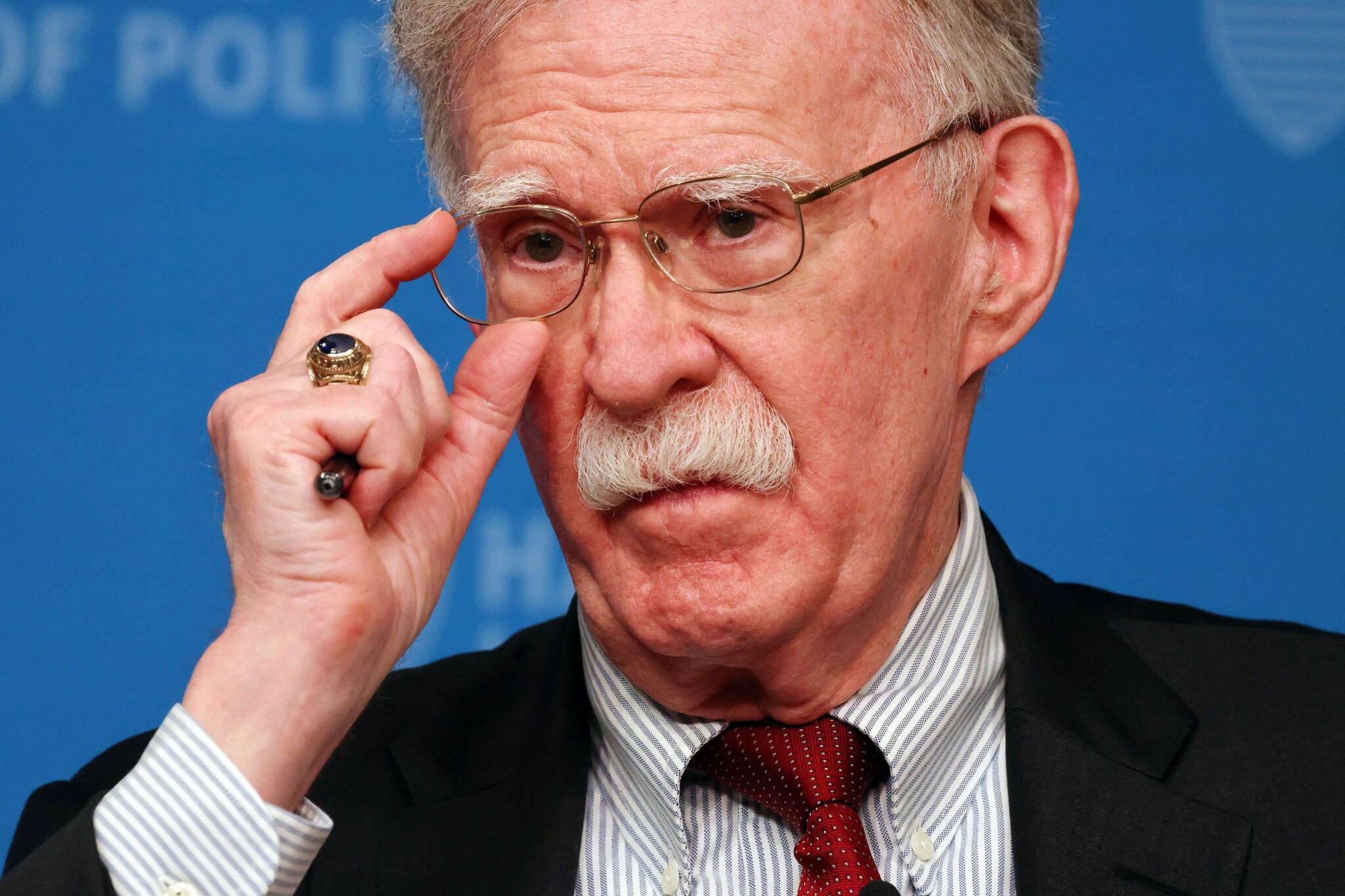
Rudyard Griffiths and Sean Speer discuss an AI-generated video impersonating former UN Ambassador John Bolton discussing Mark Carney’s China visit. The fake video has garnered over 180,000 views and fooled thousands of commenters who believed it was authentic. They explore the growing threat of AI-generated misinformation polluting political discourse, YouTube and Google’s failure to remove such content, and the urgent need for tech companies to self-regulate before government intervention becomes inevitable
How is 'diplomatic ambiguity' shaping international relations and what are its implications for countries like Canada?
With global power becoming more distributed, what challenges and opportunities does this present for middle powers like Canada?
In an era of pronounced fragmentation and exposed vulnerabilities, why has diversification evolved from a prudent strategy to an urgent imperative?


Comments (0)