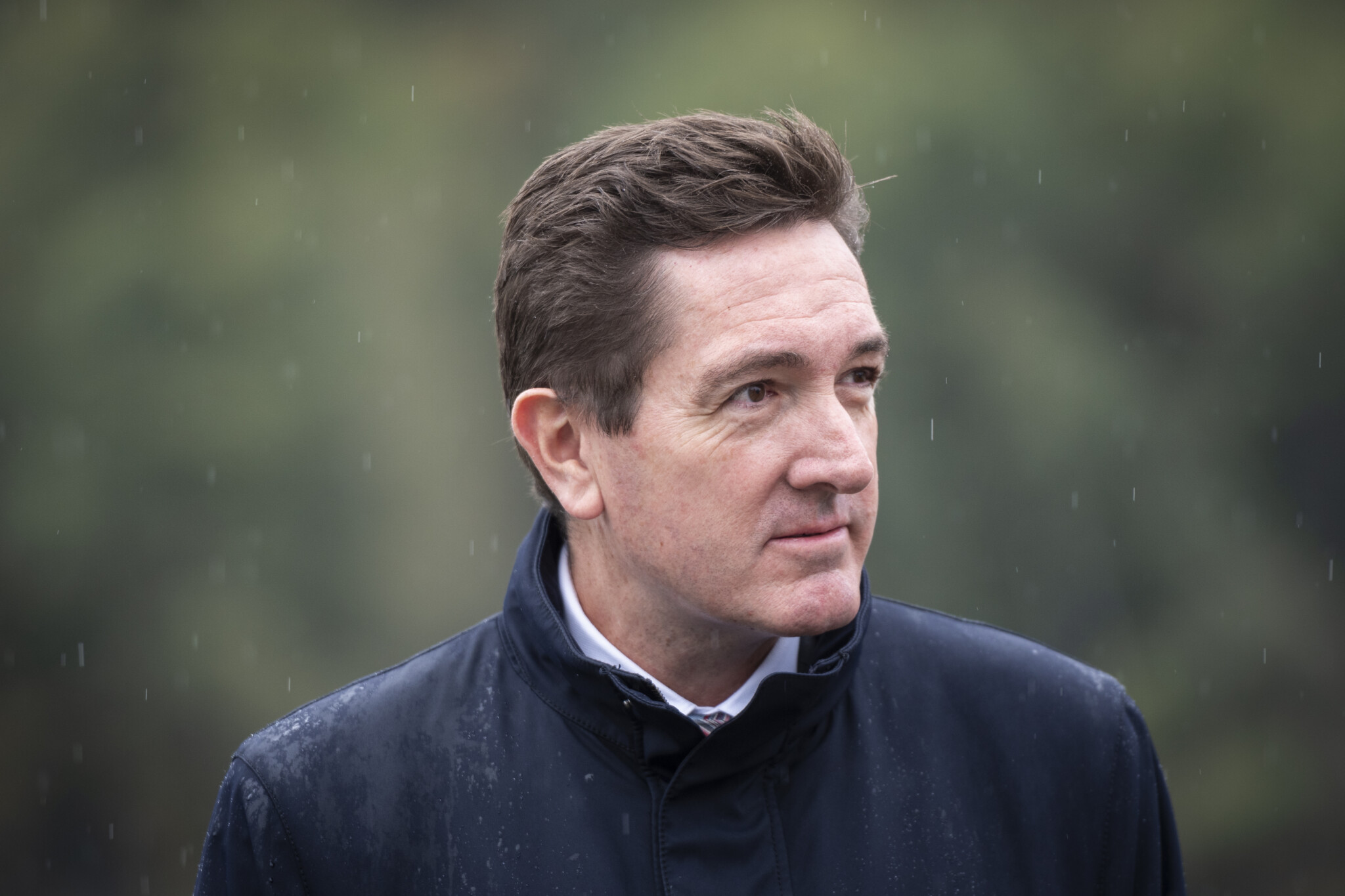
‘People don’t feel safe’: Yuri Fulmer on how he would fix public safety if the BC Conservatives make him leader
You can listen to this episode on Amazon, Apple, and Spotify.
Episode Description
Businessman Yuri Fulmer argues why he should be the next leader of the Conservative Party of British Columbia. The global chair of United Way Worldwide explains how he’s watched his province’s health care, education, and public safety systems gradually erode over three decades.
Fulmer advocates growing the economy through more natural resource development, addressing the province’s record $13.3 billion dollar deficit through efficiency rather than cuts, and protecting property rights amid concerns around Indigenous land title decisions. He insists he would be a leader who would allow his MLAs to speak freely, while maintaining discipline amongst a fractured conservative movement.

Episode Summary
British Columbia finds itself at a critical juncture as political discourse intensifies around the province’s fiscal challenges, public safety concerns, and questions about property rights. The provincial political landscape reflects deepening anxiety about whether the province can maintain the quality of life that once defined it as a premier Canadian destination. This episode features former businessman Yuri Fulmer, stating his case for the position of BC Conservative leader.
He highlights how the province’s financial situation has emerged as a central issue. British Columbia faces unprecedented deficit levels, with projections indicating sustained fiscal imbalances extending into the foreseeable future. This represents a stark departure from historical fiscal management and raises questions about long-term sustainability. The accumulating debt burden threatens to fundamentally alter the province’s economic trajectory and its ability to deliver essential services.
Fulmer describes how the deterioration of the health-care system has become prominent in the province. Emergency room wait times have expanded dramatically compared to previous decades, when patients could expect rapid treatment. This decline did not occur suddenly but rather through gradual erosion over many years. Similarly, the education system has experienced measurable declines, with student performance falling below national averages after previously leading the country.
Public safety concerns now permeate communities throughout British Columbia, from major urban centers to small towns. The convergence of street homelessness, the opioid crisis, mental health challenges, and petty crime has created an environment where many residents no longer feel secure in their own neighborhoods. This represents a fundamental breakdown in the social contract between government and citizens, where tax payments are expected to guarantee basic safety and security.
The natural resource sector presents both a challenge and potential solution to provincial economic difficulties. British Columbia possesses substantial natural resources, yet regulatory frameworks have constrained development in forestry, energy, and other extractive industries. The province has transitioned from energy exporter to importer, now relying on power from neighboring jurisdictions. This shift raises questions about resource management and economic strategy, particularly when compared to other resource-rich regions that have built substantial sovereign wealth.
Energy infrastructure has become a contentious political issue, with debates over pipeline development highlighting tensions between provincial autonomy and national economic cooperation. The possibility of energy infrastructure bypassing British Columbia entirely would represent a significant strategic and economic setback for the province.
Property rights concerns have intensified following legislative changes related to reconciliation efforts. While physical displacement remains unlikely, financial implications worry homeowners who view their properties as their most significant assets. The implementation of international frameworks into provincial law has created unintended consequences through court decisions, potentially threatening both property rights and reconciliation progress.
Fulmer calls for solutions that address fiscal sustainability, public safety, health-care access, and economic development simultaneously, and argues the challenge lies in balancing diverse perspectives while maintaining focus on issues that affect most British Columbians daily. Success will require restoring confidence in the government’s ability to deliver basic services while creating conditions for broadly shared prosperity.
This summary was prepared by NewsBox AI. Please check against delivery.
Yuri Fulmer, a businessman and former chair of United Way Worldwide, is vying for leadership of the BC Conservative Party, arguing that he can address the province’s pressing issues. He criticizes the erosion of British Columbia’s health care, education, and public safety systems over the past three decades. Fulmer proposes economic growth through natural resource development, fiscal responsibility by addressing the $13.3 billion deficit through efficiency, and protection of property rights amidst Indigenous land title concerns. He emphasizes the need for MLAs to speak freely while maintaining party discipline. The province faces fiscal challenges, public safety concerns, and debates over property rights, requiring solutions that balance diverse perspectives.
Fulmer proposes economic growth via natural resource development. What are the potential benefits & drawbacks of this approach for BC?
Fulmer mentions a $13.3 billion deficit. How does he propose addressing this, and what are the potential consequences of his approach?
Public safety is a key concern. What factors contribute to this feeling of insecurity in BC, according to the article, and how might this impact the province?


Comments (0)