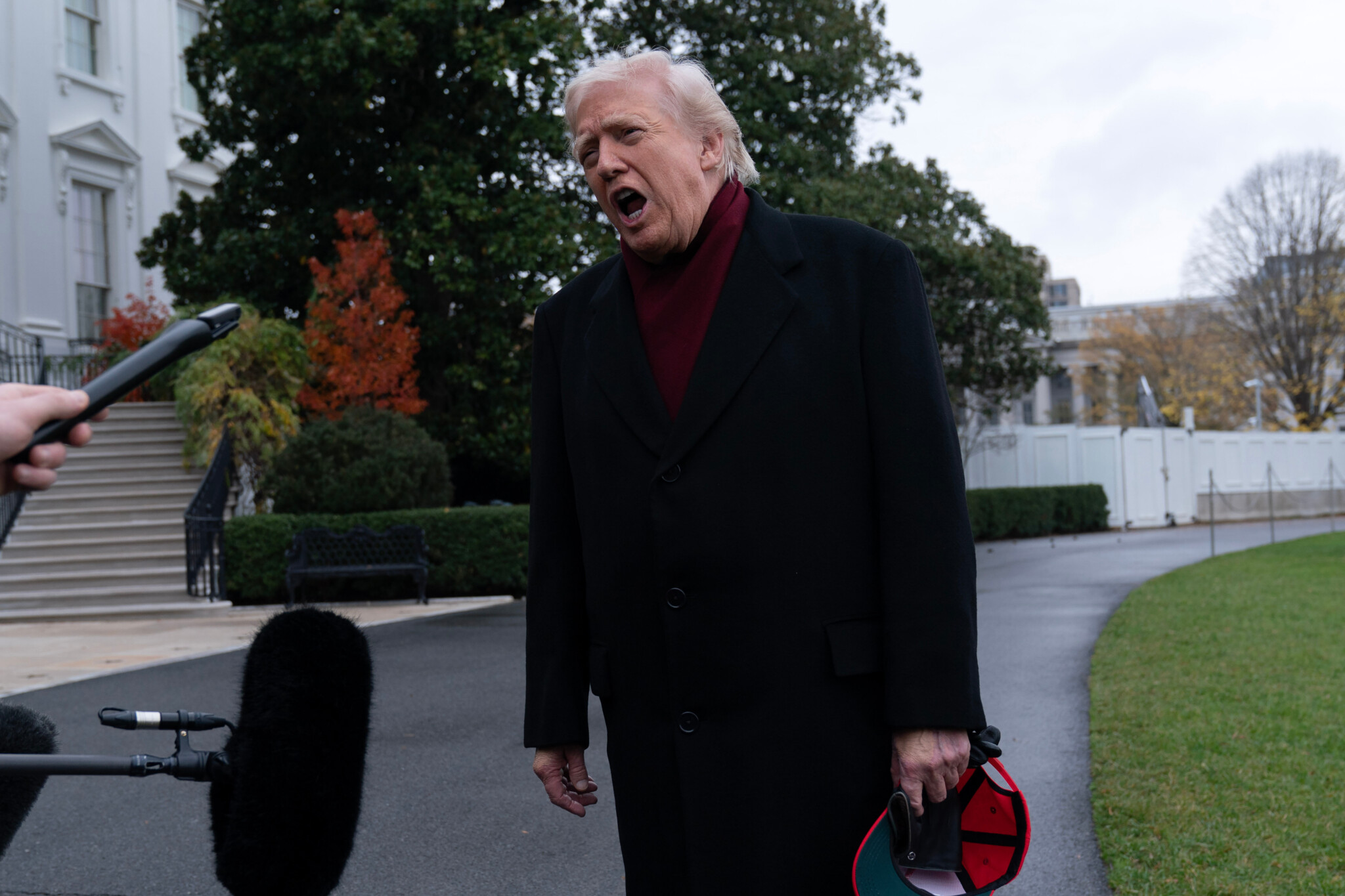
‘Snitch lines are a terrible idea’: The Full Press on Trump’s new plan to have Americans report on journalists
Full Press discusses the Trump White House’s newly unveiled journalist snitch line, which encourages Americans to report fake news to their government, criticizing a CBC news article that links naming white the colour of the year to eugenics, calls on reporters to stop tweeting, and predicts which major stories could unfold in 2026.
You can listen to this episode on Amazon, Apple, and Spotify.

Program Summary
This is an automated summary. Please check against delivery.
The relationship between political leadership and journalism in North America faces mounting challenges as concerns grow about press freedom, media bias, and the evolving nature of news coverage. These tensions reflect broader questions about the role of journalism in democratic societies and the sustainability of traditional reporting standards.
Recent developments have raised alarm about potential threats to press freedom, particularly regarding restrictions on media access and legal actions against news organizations. The establishment of mechanisms encouraging public complaints about journalists has drawn criticism for potentially creating hostile environments for reporters. These concerns are amplified by existing challenges journalists face, including online harassment and public attacks on their credibility.
The journalism profession finds itself in a vulnerable position, partly due to perceptions of political bias in coverage. Media organizations struggle to maintain public trust when significant portions of the electorate believe their preferred candidates receive unfair treatment. This dynamic creates a cycle where distrust of media institutions grows among voters who feel their democratic choices are not respected by the press, further eroding the credibility journalists need to effectively serve the public.
The emergence of politically aligned influencers and commentators covering government affairs represents a departure from traditional journalistic standards. This shift away from objectivity toward openly partisan coverage spans the political spectrum, raising questions about the health of the broader media ecosystem. Many observers advocate for a return to established practices that prioritized neutrality and balanced reporting, standards that guided journalism for much of the previous century.
The pressures of modern news cycles contribute to declining journalistic quality. The constant demand for content pushes reporters toward shortcuts, including mining social media for trending topics rather than conducting substantive reporting. This approach often results in coverage that serves corporate marketing interests rather than public information needs, undermining the credibility of established news organizations.
Social media platforms present particular challenges for journalistic integrity. While news organizations once encouraged reporters to build personal brands online, the practice of journalists expressing opinions on controversial topics has proven damaging to institutional credibility. Even when problematic content represents a small fraction of overall coverage, its impact on public perception can be disproportionately large. The actual value of social media presence for driving audience engagement has proven minimal, raising questions about whether the reputational risks outweigh any benefits.
Professional standards regarding journalist conduct on social media vary in their enforcement across news organizations, creating inconsistency that further complicates public perceptions of media objectivity. Some industry leaders have emphasized the importance of maintaining clear boundaries between personal expression and professional responsibilities, particularly for reporters covering news and current affairs.
Looking ahead, the Canadian media landscape may face pressure from American news organizations increasingly interested in covering Canadian stories. This cross-border reporting brings different approaches to controversial topics, potentially challenging the boundaries of acceptable discourse in Canadian journalism. Such external pressure could either broaden the scope of domestic coverage or highlight existing gaps in how Canadian media addresses sensitive subjects.


Comments (0)