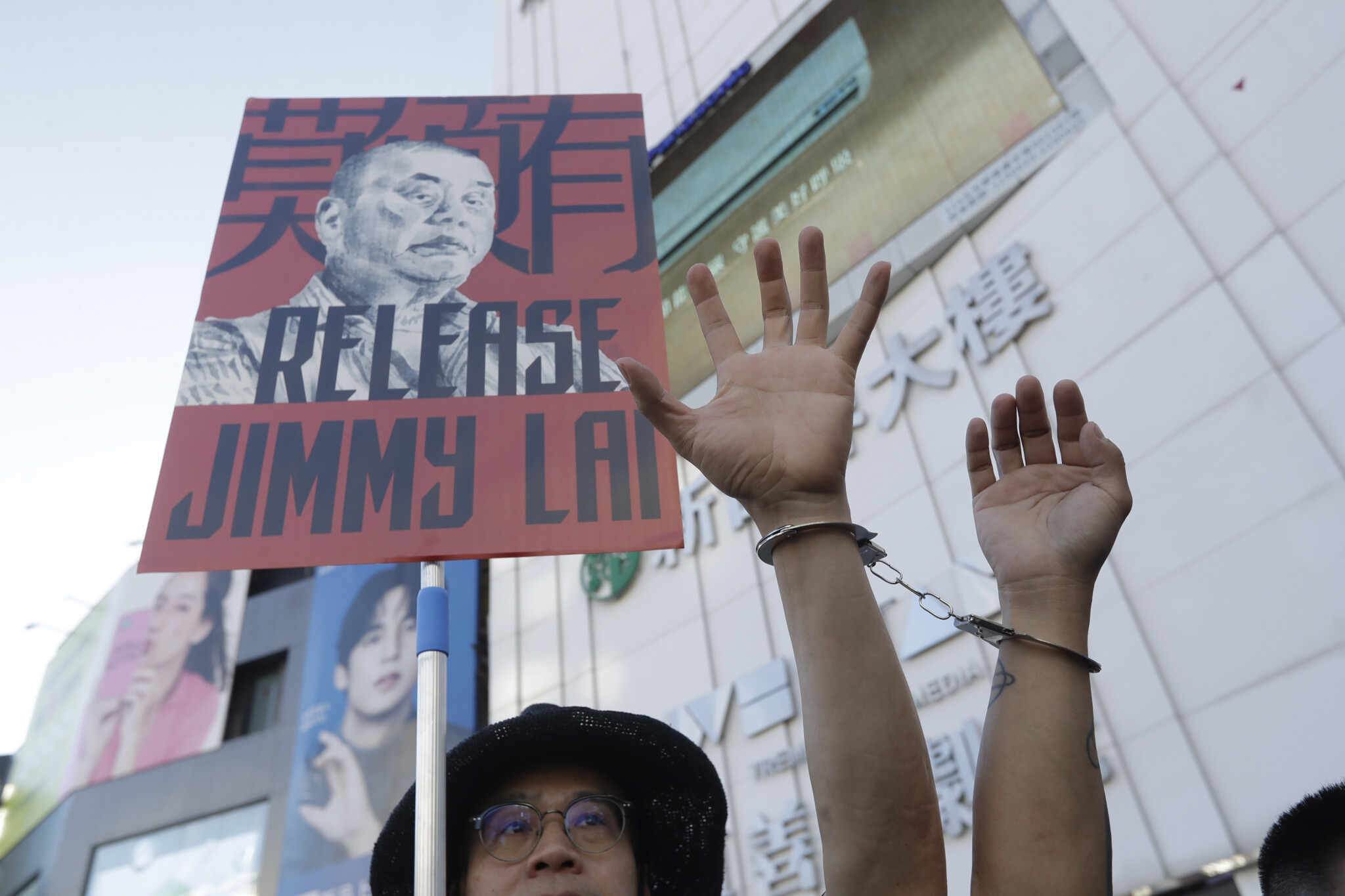
‘Speak to the injustice’: Why the Carney government must call out China’s brazen prosecution of Jimmy Lai
You can listen to this episode on Amazon, Apple, and Spotify.
Episode Description
The recent sentencing of Hong Kong media publisher Jimmy Lai to twenty years in prison has sparked debate about Canada’s approach to balancing trade interests with human rights advocacy. The case highlights growing tensions between Western democracies and China over press freedom and the erosion of civil liberties in Hong Kong.
Lai’s prosecution represents one of the most symbolically significant actions taken by Chinese authorities in recent years. The lengthy sentence handed down by a Hong Kong court has been characterized as part of a broader pattern of suppressing dissent and challenging democratic principles in the territory. The case has drawn international attention as an example of how authoritarian governments are increasingly using legal systems to silence critics and consolidate control.
The Canadian government’s response to the sentencing has become a focal point of criticism. While Foreign Minister Anita Anand issued a statement calling for Lai’s release on humanitarian grounds, observers have noted the absence of stronger language from Prime Minister Mark Carney. The relatively measured response stands in contrast to more forceful statements Canada has made regarding other international conflicts and human rights situations.
Critics point to the historical context surrounding Hong Kong’s status. The 1997 Sino-British Treaty that transferred Hong Kong from British to Chinese control included explicit guarantees for press freedom and democratic governance. These provisions were formally registered with the United Nations. The treatment of Lai and the broader suppression of media freedom in Hong Kong represent potential violations of these international commitments, yet Canada has not explicitly framed its response in these terms.
The timing of Canada’s diplomatic approach has raised questions about the influence of economic considerations on foreign policy decisions. Canada recently signed a memorandum of understanding with China aimed at restarting trade relations. This development has led to speculation about whether trade priorities are affecting the government’s willingness to take stronger positions on human rights issues.
The situation reflects a longer pattern in Canadian-Chinese relations. Various Canadian political and business leaders have maintained close ties with China over the years, sometimes drawing criticism for prioritizing economic engagement over human rights concerns. This approach has created ongoing debate about whether Canada can effectively balance commercial interests with its stated commitment to democratic values and international law.
The case also highlights broader questions about the international rules-based order. Canada has positioned itself as a defender of multilateral institutions and international agreements, yet the response to Lai’s sentencing suggests potential inconsistencies in how these principles are applied. When international treaties are violated, the effectiveness of the global system depends on countries being willing to enforce consequences and speak clearly about breaches.
The media dimension of the case carries particular significance. Independent journalism organizations face increasing pressure in many parts of the world, and the treatment of publishers and journalists serves as a barometer for broader civil liberties. How democratic nations respond to such cases sends signals about their commitment to press freedom as a fundamental right.
This summary was prepared by NewsBox AI. Please check against delivery.
Rudyard Griffiths and Sean Speer discuss Hong Kong media publisher Jimmy Lai being sentenced to 20 years in prison by a Chinese government-controlled court. They examine what this means for press freedom and human rights in Hong Kong, criticize the Carney government’s muted response, and argue that Lai’s imprisonment violates the 1997 Sino-British treaty guaranteeing democratic freedoms. They then explore Canada’s reluctance to confront China’s authoritarian actions and the costs of prioritizing trade relations over democratic principles.
Why does the author believe the Carney government should speak out against China's prosecution of Jimmy Lai?
What broader implications might this case have for international relations and freedom of the press?
Given the article's focus, what specific actions could the Carney government take to address the situation?

Comments (0)