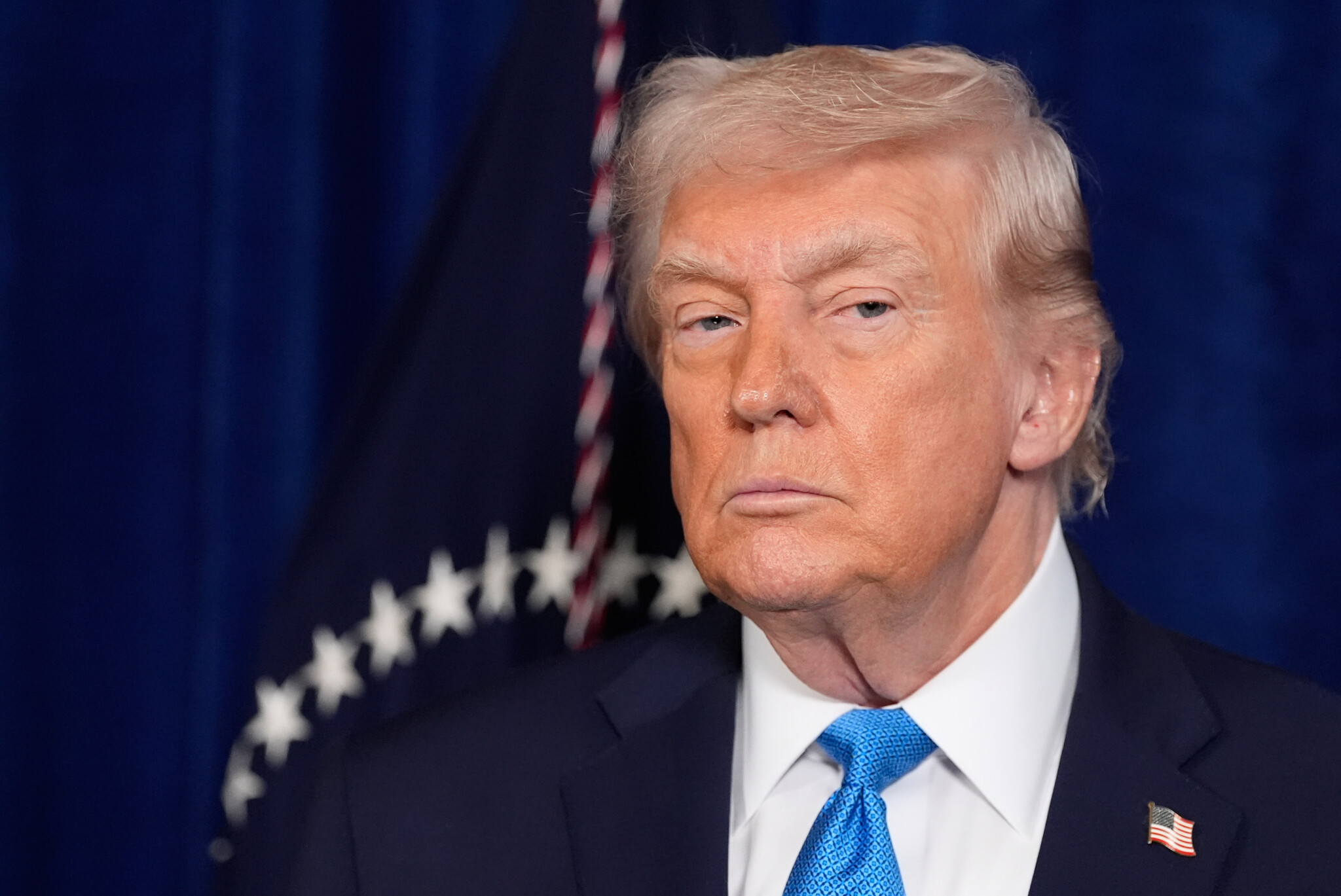
‘The president can’t resist the temptation’: Should Canadian troops defend Greenland against Trump?
You can listen to this episode on Amazon, Apple, and Spotify.
Episode Description
Canada finds itself navigating treacherous diplomatic waters as tensions escalate over Greenland, with the incoming Trump administration’s territorial ambitions forcing Ottawa to balance competing priorities between continental security and transatlantic solidarity.
The crisis has placed Canada’s new government in an increasingly difficult position. While European allies have responded forcefully to American overtures toward Greenland, deploying troops and issuing strong statements defending Danish sovereignty, Canada has adopted a more measured approach. This cautious stance reflects the fundamental asymmetry in Canada’s relationship with the United States compared to European nations, particularly given the overwhelming dependence of Canadian exports on American markets and the favorable trade terms currently enjoyed.
The situation has exposed deeper questions about Canada’s Arctic capabilities and commitments. Despite longstanding claims to being an Arctic power, Canada has not joined European allies in military deployments to Greenland. This hesitation raises concerns about the credibility of Canadian security partnerships with Europe and whether Ottawa can reasonably expect European support should similar challenges emerge closer to home.
Those concerns are not merely theoretical. Reports indicate that figures within the incoming American administration have begun questioning the security of Canada’s Arctic territories, particularly the Northwest Passage. The possibility of American freedom of navigation operations through waters Canada considers sovereign territory represents a potential crisis that could materialize within months. Historical precedents from previous decades demonstrate this is not an idle threat.

The dilemma facing Canadian policymakers centers on whether assertive responses risk provoking an administration known for unpredictable reactions, or whether restraint today undermines the foundation for seeking allied support tomorrow. Recent defense spending commitments suggest attempts to preemptively address American security concerns, though questions remain about whether these investments can be deployed effectively to protect Arctic sovereignty.
Some analysts argue the situation demands a fundamental reassessment of Canadian assumptions about sovereignty and security. The reality of power dynamics on the North American continent may require creative approaches, including potentially controversial options such as joint military operations with the United States in Arctic regions. Such arrangements would challenge traditional Canadian sensibilities but might represent pragmatic compromises necessary to preserve broader national interests.
The Greenland situation itself presents complexities beyond simple territorial ambition. Greenland’s recent moves toward greater independence from Denmark, including establishing relationships with China, have created legitimate security concerns for North America. The challenge lies in separating valid strategic considerations from the provocative manner in which they are being raised.
For Canada’s government, the overarching imperative appears to be surviving the current period while preserving the country’s long-term economic and security interests. This approach prioritizes avoiding confrontation that could jeopardize trade relationships or invite unwanted attention to Canadian vulnerabilities in the Arctic.
This is an automated summary. Please check against delivery.
Rudyard Griffiths and Sean Speer discuss how Canada should respond to Trump’s threats against Greenland and potential challenges to Canadian Arctic sovereignty. They examine whether Canada should join European troop deployments to Greenland and assess the risk of similar American incursions into the Northwest Passage.
They also consider whether Canada should acknowledge the geopolitical realities of dealing with the Trump administration, as well as explore the tension between defending sovereignty and protecting vital economic interests.
How should Canada balance its security with the US vs. its solidarity with European allies regarding Greenland?
Could US interest in Greenland and the Arctic threaten Canadian sovereignty, particularly the Northwest Passage?
Are Canada's Arctic capabilities sufficient to protect its sovereignty amidst rising international tensions?


Comments (1)
Well done, Rudyard and Sean. Best discussion of this crisis I’ve heard to so far.