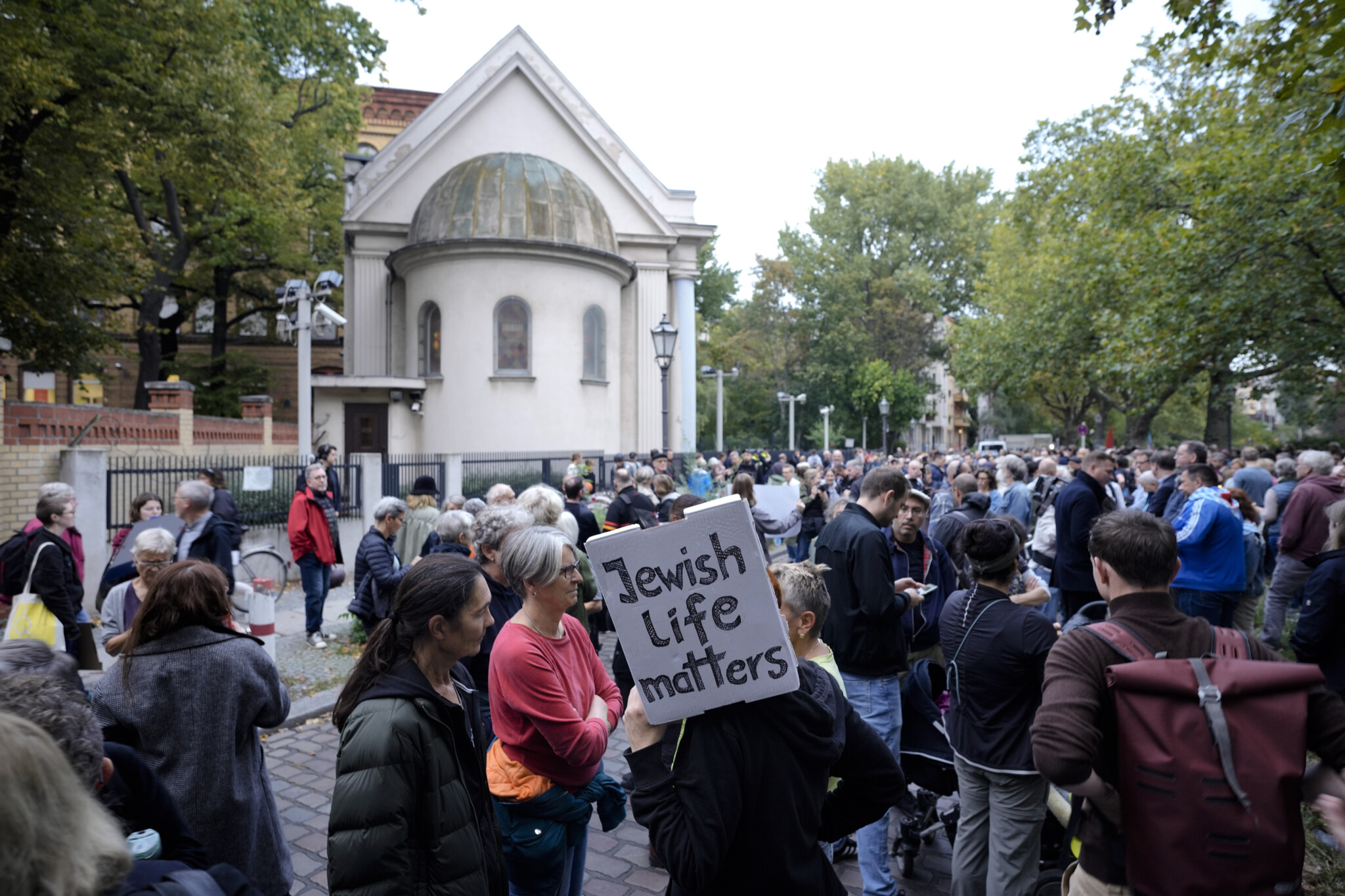
‘The world’s oldest hatred is rearing its ugly head’: How should we respond to our society’s growing fault lines?

Fault Lines examines the pressures pulling Canadian society apart and the principles that can hold it together. We look beyond headlines to understand how institutions, communities, and democratic norms are fraying. Our mission is to show how better choices can repair what is broken.
You can listen to this episode on Amazon, Apple, and Spotify.
Episode Description
A historic synagogue in Mississippi was destroyed by fire this past weekend, marking another incident in a troubling pattern of antisemitic violence across Western democracies. The building, which had previously been targeted by the Ku Klux Klan decades ago, serves as a stark reminder that historical hatreds can resurface when societies fail to actively confront them.
The attack follows a recent terrorist incident in Australia that resonated deeply within Jewish communities across North America. Canadian Jewish populations have reported feeling increasingly vulnerable, viewing international incidents as reflections of their own deteriorating security situation. The pattern of violence has exposed what many see as inadequate responses from political leadership, with routine condemnations of hate proving insufficient without concrete action to address underlying causes.
These developments have sparked broader discussions about social cohesion in Canada and the need for more substantive dialogue on contentious issues. Political observers note that avoiding difficult conversations about immigration, integration, and community tensions has allowed problems to fester beneath the surface. What was once considered a strong national consensus on immigration has eroded over recent years, creating divisions that harm both immigrant communities and the broader social fabric.

The situation in Canada reflects patterns emerging across Western democracies, where traditional centrist political parties have struggled to address public concerns about rapid social change. In Western Europe particularly, the failure of mainstream parties to engage with these issues has created openings for more extreme political movements. The rise of populist and nationalist parties across the continent demonstrates the consequences of leaving legitimate concerns unaddressed.
Canada faces questions about how to maintain its pluralistic values while confronting ideas and attitudes that may be incompatible with liberal democracy. The challenge involves distinguishing between welcoming diverse populations and tolerating ideologies rooted in ancient hatreds or antagonism toward Western democratic principles. Some political figures have begun catering to diaspora voting blocs in ways that may compromise core societal values, raising concerns about the long-term implications for national unity.
The targeting of Jewish communities carries broader implications beyond those directly affected. Historical precedents suggest that antisemitic violence often serves as a precursor to wider social breakdown, with the underlying ideologies threatening fundamental aspects of Western democratic society. The ideas driving current antisemitic incidents are characterized as fundamentally opposed to pluralistic values and individual rights.
Addressing these challenges will require sustained engagement across multiple fronts, including criminal justice reform, immigration policy adjustments, and community-level initiatives. Success depends on political courage to make difficult decisions and increased civic participation from ordinary citizens rather than activist minorities. The emphasis remains on local solutions to problems that manifest nationally and internationally.
This is an automated summary. Please check against delivery.
Stephen Staley, director of The Hub‘s new initiative Fault Lines, discusses rising antisemitic violence across Western democracies and the broader societal fractures threatening Canada’s social cohesion. He argues that failing to address difficult topics like immigration, integration challenges, and public disorder allows illiberal forces to fill the void. He emphasizes the need for courageous conversations that balance pluralism with defending non-negotiable values, warning that Canada risks following a path toward political fragmentation.
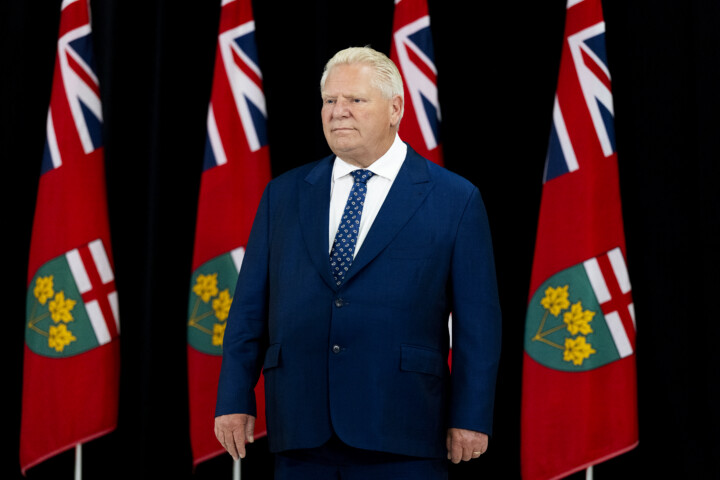

Comments (1)
This is such a critical issue. We all have a moral responsibility to stand up and speak out against this hatred. It’s time to remember and repeat. Martin Niemöller’s poem “First They Came” and to remember that history repeats and repeats. Let’s have discussions about how every common person must stand up and say THIS MUST STOP and we will not stand silent. Tired expressions will do nothing.