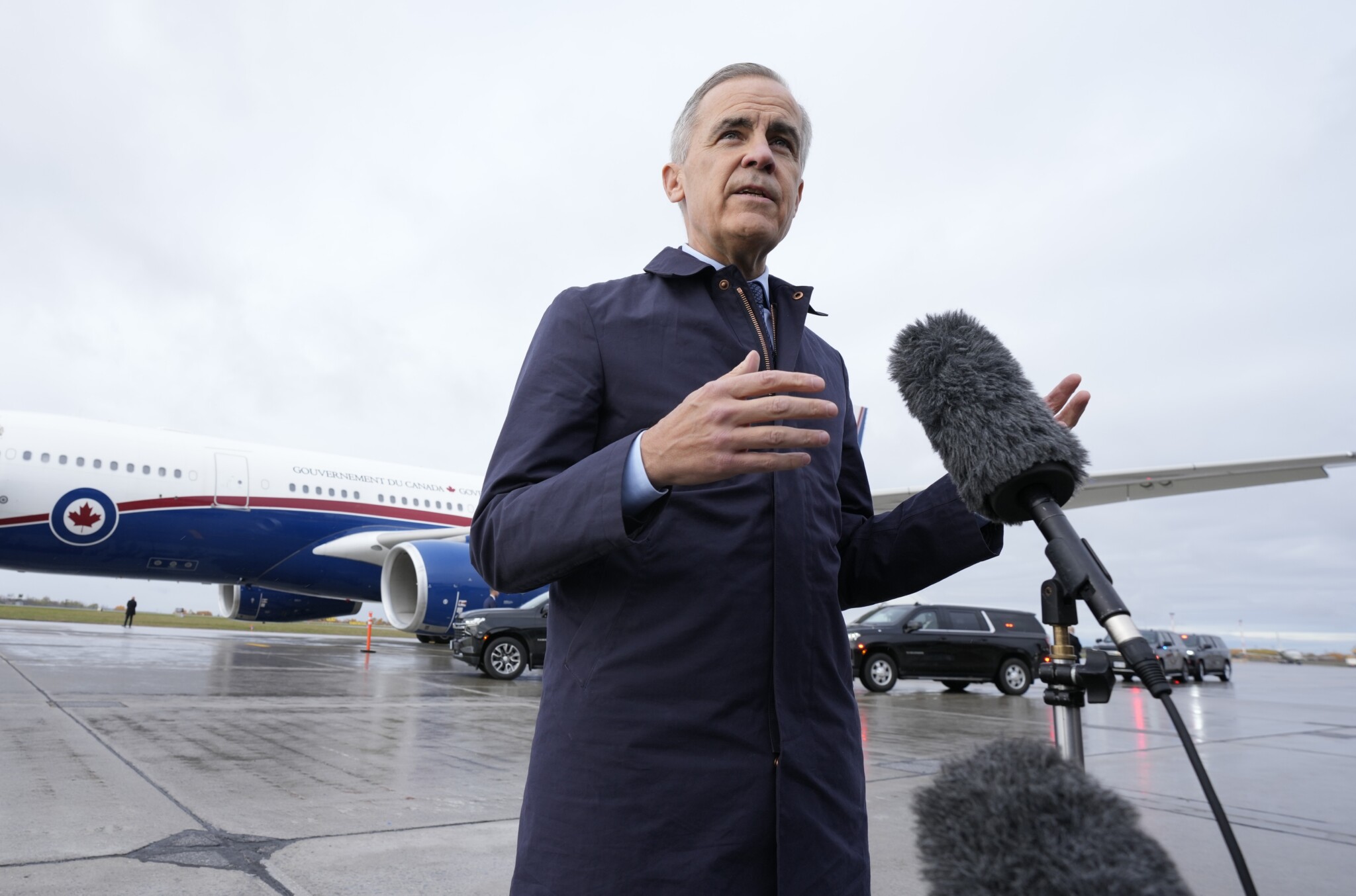
‘They have an obligation to answer the public’: Is Ottawa only talking to government-approved media?
You can listen to this episode on Amazon, Apple, and Spotify.
Episode Description
Rudyard Griffiths and Harrison Lowman discuss how major federal departments are now prioritizing media access based on government-subsidized journalism outlets. They discuss how what was supposed to be a payroll tax appears to have mutated into a media licensing regime, and argue how this threatens journalistic independence while stifling innovation in Canadian media.

Episode Summary
Recent changes at Canadian federal departments have raised concerns about government influence over media independence, as agencies begin limiting access to journalists based on their participation in federal subsidy programs.
Global Affairs Canada and Immigration, Refugees and Citizenship Canada have implemented policies that prioritize or exclusively respond to media organizations designated as Qualified Canadian Journalism Organizations, a status created through federal tax credit programs established in 2019. This development marks a significant shift in how government departments determine which journalists receive information and access to official sources.
The subsidy program was originally introduced as a tax-based financial support mechanism for struggling news organizations. At its inception, government officials assured the public that the designation would remain confined to tax administration and would not function as credentials determining media access to government officials. However, the recent departmental policies appear to contradict those assurances, creating a system where financial relationships with the government influence journalistic access to information.
The designation process itself operates under government oversight, with an advisory board appointed through federal cabinet orders recommending which organizations qualify for subsidies. This structure has generated criticism about potential conflicts of interest, as the government effectively controls both the criteria for legitimate journalism and the distribution of information to journalists meeting those criteria.
The current system creates financial incentives for media organizations to seek government designation, as it now affects both their revenue through subsidies and their operational capacity through access to government sources. This dual dependency raises questions about the ability of subsidized media to maintain the critical distance necessary for accountability journalism.
The policy changes have received limited attention from mainstream media organizations, many of which participate in the subsidy programs and could face reduced access if they challenged the system. This silence itself has become part of the broader conversation about media independence and the willingness of subsidized outlets to report critically on the programs supporting them.
The development occurs against a backdrop of significant government investment in Canadian media. The Canadian Broadcasting Corporation (CBC) receives substantial annual funding and employs a large portion of working journalists in the country. Additional payroll subsidies now support private media organizations, with some provinces offering matching programs that further increase government financial involvement in journalism.
The situation highlights tensions between supporting struggling media industries and maintaining the arm’s-length relationship between press and government, considered essential in democratic societies. As traditional media business models continue to face challenges, the question of how to sustain journalism without compromising its watchdog function remains unresolved.
This summary was prepared by NewsBox AI. Please check against delivery.
Rudyard Griffiths and Harrison Lowman discuss concerns about government influence over media independence in Canada. Federal departments, including Global Affairs Canada and Immigration, Refugees and Citizenship Canada, are prioritizing media access based on participation in federal subsidy programs like the Qualified Canadian Journalism Organization (QCJO) designation. This designation, initially intended for tax administration, now appears to influence access to government sources, raising questions about journalistic independence. Critics argue this creates a system where financial incentives could compromise the critical distance necessary for accountability journalism. They also note the limited mainstream media attention to these policy changes, potentially due to their own participation in subsidy programs.
How might prioritizing 'Qualified Canadian Journalism Organizations' impact the diversity of voices covering government actions?
What are the potential long-term consequences of media outlets becoming financially dependent on government subsidies for both revenue and access?
How does this situation challenge the traditional 'arm's-length relationship' between the press and the government in a democratic society?

Comments (0)