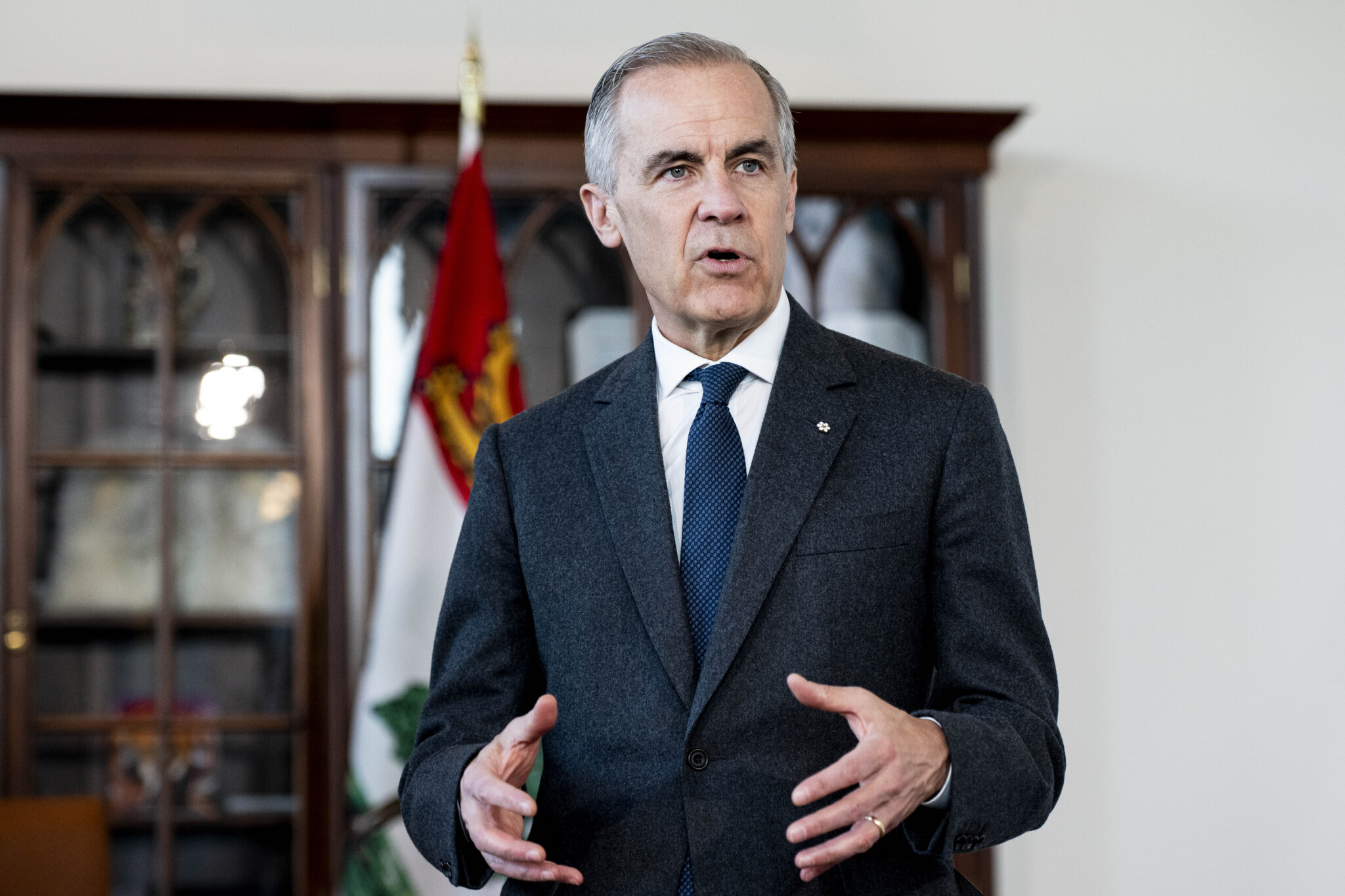
‘They have decided he’s the right guy’: How Canadians view PM Carney after one year in power
You can listen to free versions of this episode on Amazon, Apple, and Spotify.
Episode Description
In this episode of Hub Politics, Amanda Galbraith, co-founder and president of Oyster Group, and David Coletto, founder and chair of Abacus Data, join Sean Speer to discuss Prime Minister Mark Carney’s first year in office. They examine his remarkable political rise, his alignment with Canada’s uncertain geopolitical moment, and his success in distancing himself from the Trudeau era. They then explore Carney’s leadership style, his centralized governing approach, and the risks of perceived hubris.
In the second half, they examine recent floor-crossings, upcoming byelections, and whether a Liberal majority would fundamentally advance the government’s ambitious but execution-challenged agenda.
If you liked what you heard in the first half of the program and wish to subscribe to full-length editions of Hub Politics, please consider becoming a Hub Hero. Hub Heroes also get access to all our paid content on TheHub.ca. All these benefits are conferred for one year. Sign up now!

Episode Summary
Canada’s political landscape has undergone a significant transformation in recent months, with the governing Liberal Party experiencing a notable resurgence in public support. This shift represents a departure from earlier periods of political uncertainty and reflects changing voter attitudes amid an increasingly complex global environment.
The current political moment is characterized by heightened public anxiety about external threats and international instability. Canadians are increasingly concerned about forces beyond their borders, from trade tensions to geopolitical conflicts. This atmosphere of uncertainty has created conditions where voters appear more willing to defer to leadership they perceive as capable of navigating turbulent times.
Prime Minister Mark Carney has been a central figure in this evolving dynamic, in his first full year of being prime minister. His leadership style appears to resonate with voters seeking stability and competence during a period marked by successive crises. The pandemic and its aftermath created a sustained period of disruption from which many Canadians feel they have not fully recovered, contributing to a political environment where strong leadership carries particular appeal.
Carney’s political strength appears to derive less from specific policy achievements and more from broader perceptions about his capabilities and approach. His background and presentation have created an image of someone equipped to manage complex international challenges. This has allowed him to maintain public confidence even when concrete results remain limited or unclear.
The prime minister has demonstrated an ability to attract support across traditional political boundaries, with members of parliament from different parties joining his government. This coalition-building represents both an opportunity and a potential vulnerability. While it projects an image of unity in the face of external threats, managing such a diverse caucus with varying ideological perspectives presents significant long-term challenges.
One recurring criticism concerns Carney’s communication style and his apparent reluctance to explain policy decisions in detail to the public and media. Some observers detect a certain impatience with having to justify his approach, which risks coming across as patronizing rather than confident. This communication challenge could become more problematic if public patience wears thin.
The sustainability of current political support remains uncertain. Evidence suggests that when external threats appear to diminish, voters become more focused on domestic concerns such as cost of living and economic conditions. During such periods, the government faces greater scrutiny and opposition parties gain momentum.
Recent developments suggest the governing party is moving toward securing a parliamentary majority, which would fundamentally alter legislative dynamics. A majority would provide clearer lines of accountability and allow opposition parties to adopt more purely oppositional stances rather than being drawn into collaborative governance arrangements.
The comparison has been drawn to other political coalitions that successfully united diverse constituencies under charismatic leadership but struggled to maintain cohesion over time. The challenge of sustaining such broad-based support becomes more difficult as immediate crises fade and competing interests within the coalition assert themselves.
This summary was prepared by NewsBox AI. Please check against delivery.
This episode of Hub Politics examines Canadian public opinion of Prime Minister Mark Carney after his first year in office. The host and guests note a resurgence in support for the governing Liberal Party amid global uncertainty and external threats. Carney’s perceived competence and leadership style resonate with voters seeking stability, even without significant policy achievements. His ability to attract support across party lines is both an opportunity and a challenge. Criticism centers on his communication style and reluctance to explain policy decisions. The sustainability of his support depends on whether external threats diminish and domestic concerns take precedence. A potential shift towards a parliamentary majority could alter legislative dynamics.
How has the current global environment influenced Canadian voters' perception of PM Carney's leadership?
What are the potential challenges and benefits of PM Carney's coalition-building approach with members of parliament from different parties?
How might a shift in voter focus from external threats to domestic concerns impact PM Carney's political standing and the governing party's prospects?


Comments (0)