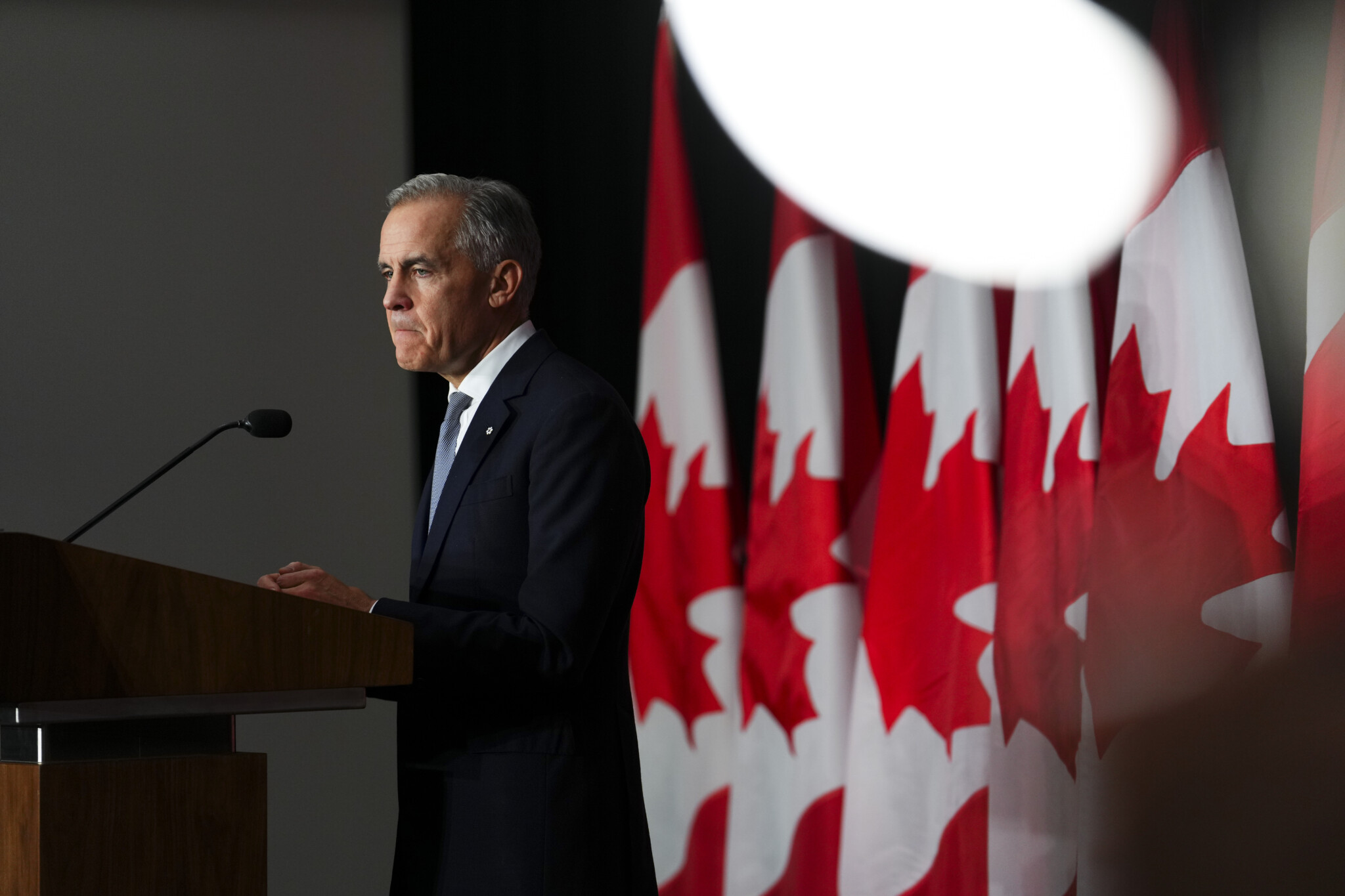
‘This budget gets a C grade’: What Mark Carney’s big-deficit budget gets right—and where it falls short
Rudyard Griffiths and Sean Speer discuss Prime Minister Carney’s first federal budget featuring a $78.3 billion deficit. While the budget is a departure from the Trudeau era, they express concern that it does not meet the moment. They explore whether the government’s heavy spending approach and “Laurentian capitalism” model can deliver promised productivity gains, or whether Canada needs a more market-driven strategy focused on tax cuts, deregulation, and unleashing private sector innovation.
You can listen to this episode on Amazon, Apple, and Spotify.

Program Summary
This is an automated summary. Please check against delivery.
Canada’s newly released 2025 federal budget represents a significant departure from the previous Trudeau government’s economic approach, according to political analysts discussing the fiscal plan on a Canadian political podcast. The budget, the first under Prime Minister Mark Carney, arrives nearly 12 months after the country’s last fiscal update and signals a shift toward productivity-focused economic policy, though questions remain about whether the government’s solutions match its diagnosis of Canada’s economic challenges.
The budget mentions productivity 131 times, marking what observers describe as a substantial change from the Trudeau government’s emphasis on equity, redistribution, and social policy. Prime Minister Carney’s economic vision, as articulated in the budget documents, focuses on addressing structural impediments to growth through increased investment in machinery, equipment, innovation, and infrastructure. The prime minister specifically cited the need to tackle internal trade barriers, enhance regulatory and project approval processes, and increase competition as proven measures to strengthen competitiveness and attract private investment.
This represents a notable contrast with former Prime Minister Justin Trudeau’s approach to economic policy. Where Trudeau famously spoke of growing the economy “from the heart out,” Carney’s budget adopts what analysts characterize as a more hard-headed approach to economic challenges. The government’s diagnosis identifies many of the structural problems that economists and policy experts have been discussing for months, including Canada’s lagging productivity growth and competitiveness challenges.
However, political observers note a significant disconnect between the government’s diagnosis and its proposed solutions. While the budget correctly identifies the need for market-driven growth and private sector investment, the actual policy measures reflect what critics describe as a government-centric understanding of economic development. Rather than subordinating government intervention and elevating market forces to make decisions about capital deployment and allocation, the budget proposes significant government expenditures on public infrastructure and a climate competitiveness strategy that relies heavily on federal spending.
The fiscal implications of this approach are substantial. The deficit for the current year is approximately double last year’s final deficit numbers, and virtually all of this increase comes from the expenditure side rather than declining revenues. This indicates the deficit is not inadvertent or beyond government control, but rather a deliberate function of the government’s theory that short and medium-term spending will boost competitiveness and productivity over time.
Over the next five years covered by the budget, Canada faces an annual deficit of about two percent of GDP. This occurs during a period of economic growth, albeit slower than desired, raising concerns about the country’s fiscal position should a recession or economic downturn occur. The debt-to-GDP ratio is climbing, and debt service costs are projected to jump from approximately 53 billion dollars in the last fiscal year to about 76 billion dollars by the end of the planning period.
The budget also reveals that Canada’s real GDP growth projections have been cut essentially in half compared to last year’s fall economic statement for both the current year and the following year. Many of the measures proposed involve federal investment in local infrastructure projects and trade-related infrastructure, which may deliver productivity benefits over the long run but do little to address immediate economic challenges.
On spending restraint, the budget demonstrates what analysts describe as a “weed whacking exercise” rather than a fundamental reassessment of government priorities. The government conducted a comprehensive review of spending that appears designed to extract savings from various departments to demonstrate a balance between austerity and investment. The budget estimates a reduction of approximately 40,000 public servants over time, though this comes against a backdrop of over 110,000 employees added during the Trudeau era.
The budget’s political implications are equally significant. The fiscal plan appears almost perfectly calibrated to make it difficult for opposition parties to support it, potentially setting up a confidence vote that could trigger an election as early as this week. Progressive parties could oppose the budget based on spending cuts and the removal of the emissions cap on the oil and gas sector. Conservative opposition could focus on what they characterize as a fundamentally Trudeau-esque fiscal track, with growing government, worsening deficits, and an increasingly distant return to balanced budgets.

Comments (1)
Rudyard has it right. We need a leader who cares for and trusts the Canadian population to build its own prosperity. The Liberals are not those people. They are hard left ideologists who think government can do a better job of building prosperity. Having said that much of the population believes that too. This is Canadas great societal failure. They are too many Takers not enough Makers because government won’t get out of the way.