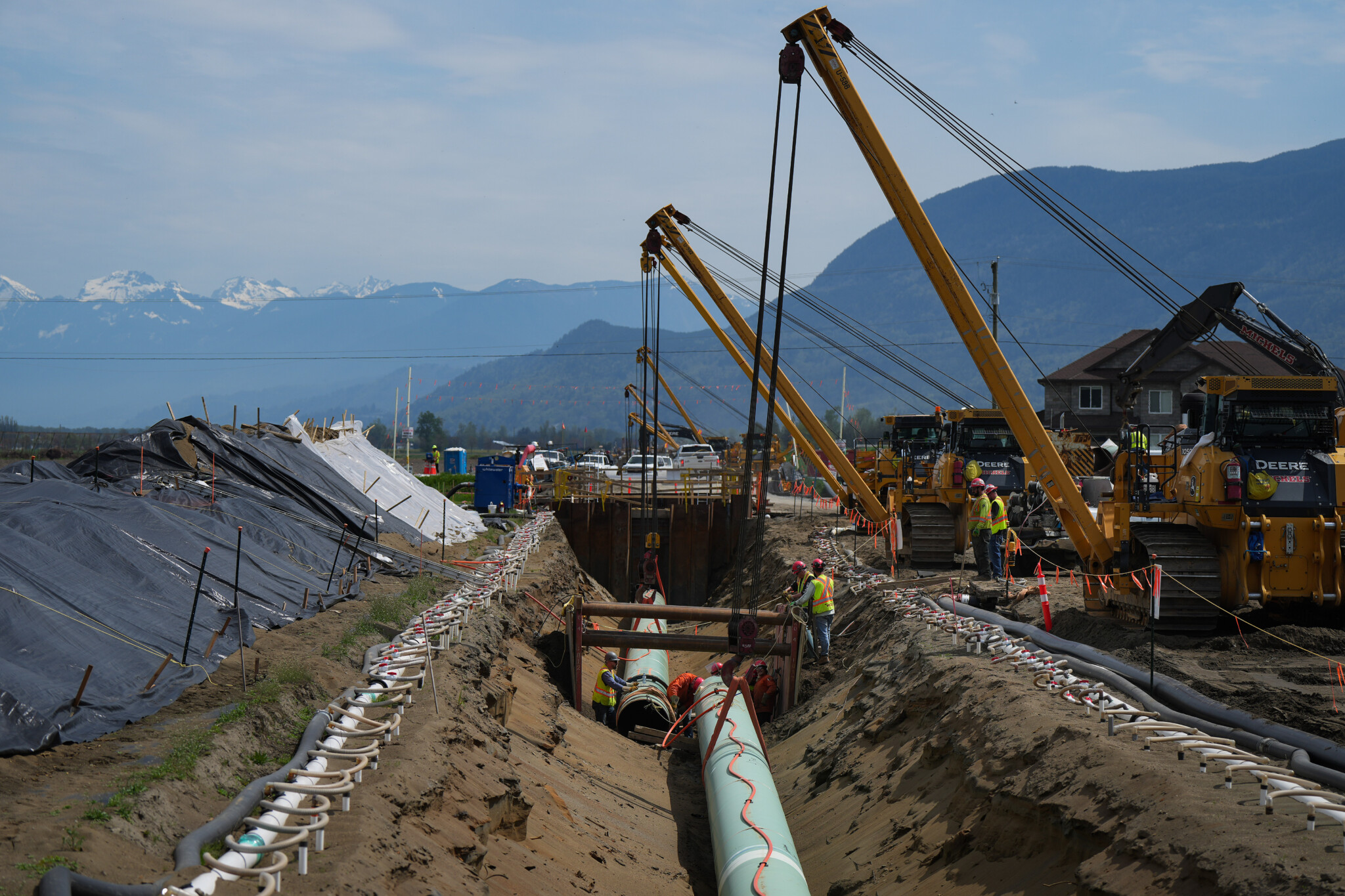
‘This is a national interest matter’: The case for a new pipeline just keeps getting stronger
You can listen to this episode on Amazon, Apple, and Spotify.
Episode Description
British Columbia finds itself at the center of a growing debate over energy infrastructure policy, as questions mount about the province’s position on supporting oil and gas development alongside its western Canadian neighbors. The discussion has gained urgency amid concerns about economic viability, interprovincial relations, and the need for transparent public discourse on energy transportation.
A central point of contention involves proposals for refinery construction as an alternative to pipeline development. Critics argue this represents a fundamental misunderstanding of energy infrastructure, noting that refineries and pipelines serve different purposes within the energy sector. Refineries require the same transportation networks that pipelines provide, making them complementary rather than substitutable infrastructure. The suggestion that refinery construction could replace pipeline development has been characterized as a distraction from more pressing transportation challenges.
The province faces difficult choices regarding how to safely transport energy resources. Three primary methods exist for moving crude oil: pipelines, rail, and trucking. Analysis of safety records and economic efficiency consistently points to pipelines as the preferred option. British Columbia’s challenging geography, including some of the country’s most difficult highway terrain, adds complexity to transportation decisions and underscores the importance of selecting the safest available methods.
Economic considerations loom large in these discussions. Major infrastructure projects require substantial capital investment and lengthy development timelines. For a province managing significant debt obligations, committing taxpayer funds to projects that would take years to become operational raises questions about fiscal responsibility and priority setting. The financial realities of refinery construction, including cyclical profit margins and intense global competition, present additional challenges that complicate policy decisions.

Misinformation has emerged as a significant obstacle to productive dialogue. Existing shipping operations already utilize coastal waters, and technological advances in tanker safety have progressed considerably in recent decades. Yet public understanding of these facts remains limited, hampering informed debate about energy policy. The gap between perception and reality regarding tanker operations and pipeline safety creates barriers to developing consensus on infrastructure development.
The political dimension of energy policy reveals tensions within governing coalitions. Different factions emphasize varying priorities, with some resources framed as more compatible with climate objectives than others. This selective approach to natural resource development has created inconsistencies in policy messaging. While certain projects receive support and approval, others face resistance despite serving similar economic and employment functions.
Investment climate concerns have become increasingly prominent. Businesses require welcoming environments and clear signals of government support before committing capital to major projects. Uncertainty about provincial positions on energy infrastructure creates hesitation among potential investors. Without explicit statements of support for oil and gas development, attracting the momentum needed to advance infrastructure projects becomes difficult.
The broader implications extend beyond provincial borders. Constitutional questions arise when interprovincial energy transportation faces obstacles, elevating local policy decisions to matters of national interest. Communities throughout the province depend on oil and gas sector employment and economic activity, yet policy signals sometimes appear to prioritize specific regional concerns over broader provincial interests.
This is an automated summary. Please check against delivery.
Keerit Jutla, lawyer and CEO of Jutla Strategies, discusses B.C. Premier David Eby’s proposal to build a refinery instead of expanding pipeline infrastructure. He argues that refineries aren’t substitutes for pipelines, critiques their economic feasibility, and questions B.C.’s inconsistent approach to energy development. He emphasizes the need for honest discourse about energy transportation safety and B.C.’s commitment to supporting Alberta and Saskatchewan resource sectors.


Comments (0)