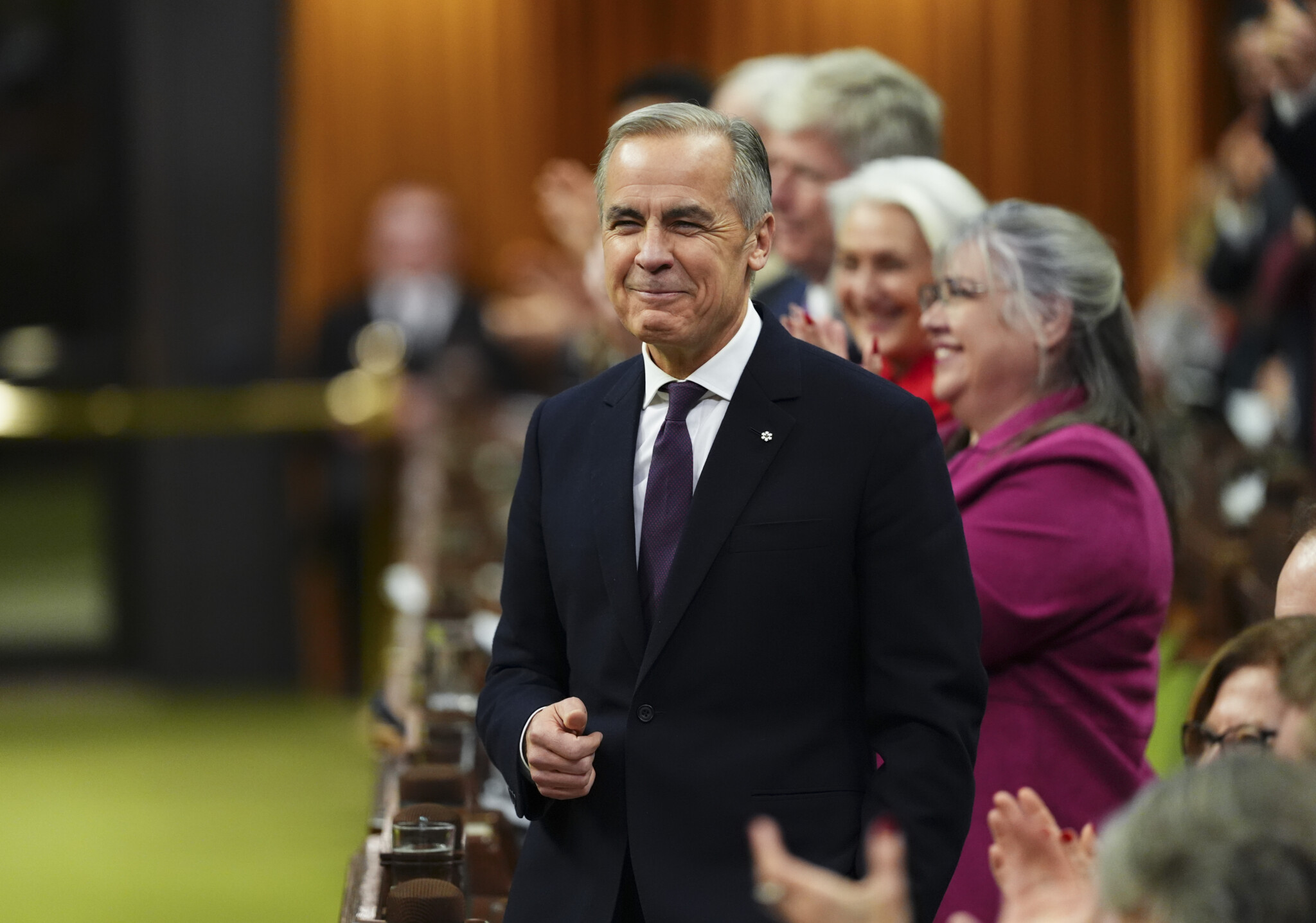
‘This isn’t over yet’: The Roundtable on whether Mark Carney has essentially secured a majority
Rudyard Griffiths and Sean Speer discuss the political shockwaves from ex-Conservative MP Michael Ma crossing the floor to join the Liberal Party, which puts Carney within one seat of a majority government. They examine the strategic implications of securing a majority without an election, the growing restlessness within Conservative ranks, and what this could mean for Poilievre’s upcoming leadership review.
In the second half, they discuss Trump’s new national security strategy and its assertion of American dominance over the hemisphere. They question whether Canada’s diversification efforts are now obsolete and what realistic policy options remain.
You can listen to free versions of this episode on Amazon, Apple, and Spotify.
If you liked what you heard in the first half of the program and wish to subscribe to full-length editions of The Roundtable, please consider becoming a Hub Hero. Hub Heroes also get access to all our paid content on TheHub.ca. All these benefits are conferred for one year. Sign up now!

Program Summary
This is an automated summary. Please check against delivery.
Canadian federal politics stands at a pivotal juncture as recent floor crossings from Conservative to Liberal ranks have brought the governing party within striking distance of a parliamentary majority. The development has sparked intense speculation about the future direction of both major parties and raised fundamental questions about the stability of Canadian conservatism.
The timing of these defections carries particular significance, occurring as Parliament concludes its session and as political observers assess the landscape heading into what many had anticipated would be an election year. The possibility of additional Conservative members crossing the floor has created an atmosphere of uncertainty within opposition ranks, with some MPs potentially facing the prospect of extended time in opposition rather than the government benches they had hoped to occupy.
The strategic calculations behind these political moves reflect broader tensions within Canadian conservatism. After employing various approaches and leadership styles over the past decade without achieving electoral success, the Conservative Party faces questions about its long-term viability as a governing alternative. The repeated failures to secure power have created a sense of restlessness among some members who entered politics with ambitions beyond permanent opposition status.
The current political dynamic has been shaped partly by policy convergence between the major parties. The Liberal government’s adoption of traditionally conservative positions on taxation and economic policy has narrowed the ideological gap that once made floor crossing more difficult to justify. This policy alignment has made the transition easier for MPs contemplating such moves, removing some of the philosophical barriers that might have previously existed.
The prospect of a majority government achieved through floor crossings rather than electoral mandate raises questions about political legitimacy and public engagement. While constitutionally valid within Canada’s parliamentary system, this path to majority status lacks the democratic imprimatur of a wave election where voters explicitly choose to grant such power. This distinction may have implications for how the government’s authority is perceived and accepted across the country.
Conservative Party leadership faces mounting pressure as these developments unfold. The challenge of maintaining party unity and morale becomes more acute when members begin questioning whether their political futures lie elsewhere. The situation is complicated by the absence of clear succession planning, leaving uncertainty about potential alternative leadership should changes become necessary.
The broader implications extend beyond immediate parliamentary arithmetic. The potential for extended Liberal governance raises concerns about the evolution of conservative politics in Canada. Prolonged time in opposition could strengthen more populist elements within the movement, potentially pushing the party away from mainstream positions in future leadership contests.


Comments (2)
Donald Trump is the biggest Christmas gift the Liberals ever had. They would be nowhere without Donald Trump. All Liberals should collectively sing on stage in their Christmas parties a song praising and thanking Donald Trump for saving their political fortunes. I can’t believe the luck Carney has had. Lucky lucky lucky. Certainly never seen anything like this in Canadian politics. Carney should lead the Liberals singing Rod Stewart’s “Some Guys Have All The Luck” and dance at the next Xmas party in Ottawa wherever that may be.