‘Triple-digit pricing is entirely possible’: How will the Iran war affect global energy prices?
You can listen to this episode on Amazon, Apple, and Spotify.
Episode Description
Peter Tertzakian of Studio.Energy and Susan Bell of Rystad Energy examine the market implications of escalating conflict in the Arabian Gulf region. They discuss the muted initial oil price response, potential scenarios ranging from short-term disruption to prolonged closure of the Strait of Hormuz, and impacts on both oil and LNG markets. The conversation explores infrastructure vulnerabilities and the strengthened case for Canadian energy security and LNG development.

Episode Summary
Global energy markets face mounting uncertainty as geopolitical tensions in the Middle East threaten critical shipping routes and oil infrastructure. The situation has evolved rapidly from initial expectations, with market responses shifting as the conflict’s scope becomes clearer.
Energy analysts initially anticipated significant price movements when markets opened, but the response proved more subdued than expected. Oil prices experienced volatility in early trading before stabilizing at lower levels than predicted. However, as the conflict has escalated, markets have begun responding more dramatically, with benchmark crude prices climbing back toward earlier projections.
The central concern revolves around potential disruption to the Strait of Hormuz, a vital chokepoint for global energy supplies. Current assessments suggest the waterway could face closure for an extended period, with threats against commercial vessels creating a crisis in maritime insurance markets. War risk coverage has become prohibitively expensive, effectively deterring shipping companies from attempting passage regardless of military escort offers.
Military dynamics present additional complications. The balance between defensive capabilities and offensive threats remains precarious, with questions about whether interceptor supplies can match the volume of potential attacks. Efforts to neutralize launch sites represent an alternative strategy, though the scale of infrastructure involved makes this approach challenging. Significant portions of launch capabilities have already been targeted, but substantial threats remain.
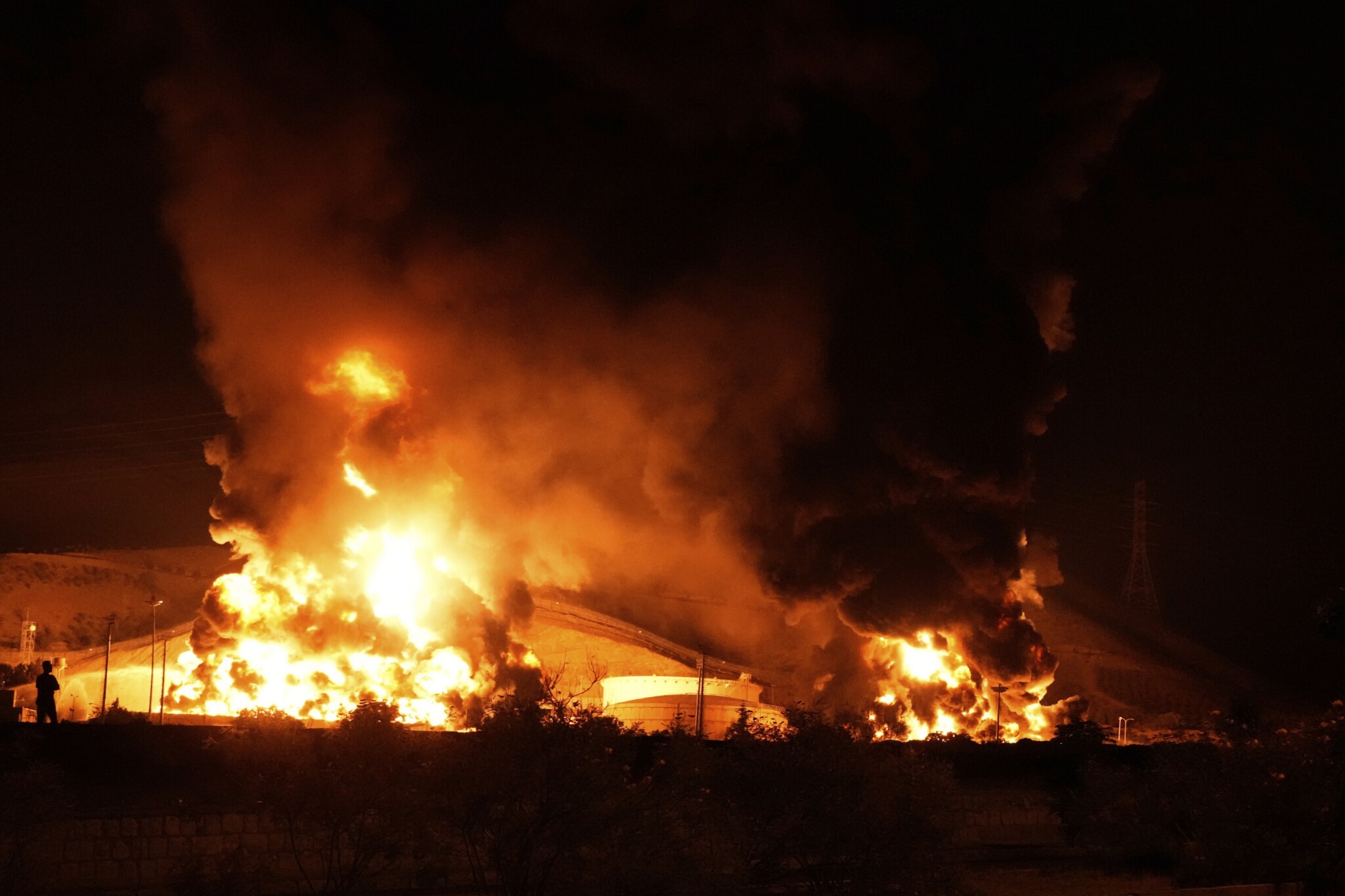
The conflict carries risks beyond immediate shipping disruptions. Energy infrastructure itself faces potential damage, with some facilities already experiencing attacks. While comparisons to historical conflicts may be extreme, even limited infrastructure damage could remove substantial production capacity from global markets for extended periods. Such scenarios would create significantly tighter market conditions even after shipping routes reopen.
European energy security has emerged as a particular concern. While the region does not heavily depend on the affected route for liquefied natural gas supplies, interconnected global markets mean disruptions anywhere affect prices everywhere. European energy prices have surged dramatically, raising fears of another energy crisis comparable to recent geopolitical shocks.
The rationale behind international involvement in the conflict remains subject to debate. Initial messaging around regime change has shifted toward emphasis on nuclear proliferation concerns, though questions persist about the immediacy of such threats. The evolution of official justifications has created uncertainty about underlying strategic objectives and their resonance with domestic political constituencies.
Canada finds itself in a complex position regarding these developments. Higher oil prices provide economic benefits, and market dynamics favor Canadian crude grades as buyers seek alternative supplies. However, infrastructure constraints limit the country’s ability to capitalize fully on market opportunities. Pipeline capacity remains insufficient to move increased volumes to export markets, and routing oil to international buyers means bypassing domestic refineries that provide optimal economic returns.
The broader economic implications extend beyond energy sector gains. Price shocks and supply hoarding behavior could trigger inflationary pressures with recessionary consequences. In worst-case scenarios, global economic contraction could offset any benefits from higher commodity prices.
This summary was prepared by NewsBox AI. Please check against delivery.
Escalating conflict in the Arabian Gulf region introduces significant uncertainty into global energy markets, particularly concerning the Strait of Hormuz, a critical chokepoint for oil supplies. While initial market reactions were muted, escalating tensions have caused benchmark crude prices to climb. The potential closure of the Strait poses a major threat, driving up maritime insurance costs and deterring shipping. Beyond shipping disruptions, energy infrastructure faces potential damage, which could significantly reduce global production capacity. European energy security is also a concern due to interconnected global markets. Canada could benefit from higher oil prices, but infrastructure constraints limit its ability to capitalize fully. Price shocks could trigger inflationary pressures and recessionary consequences.
How might a prolonged closure of the Strait of Hormuz impact global LNG markets, even for regions not directly reliant on it?
Given infrastructure constraints, how can Canada best leverage higher oil prices resulting from the conflict in the Arabian Gulf?
Beyond energy prices, what broader economic risks does the conflict pose, and how might they offset potential gains from higher commodity prices?


Comments (0)