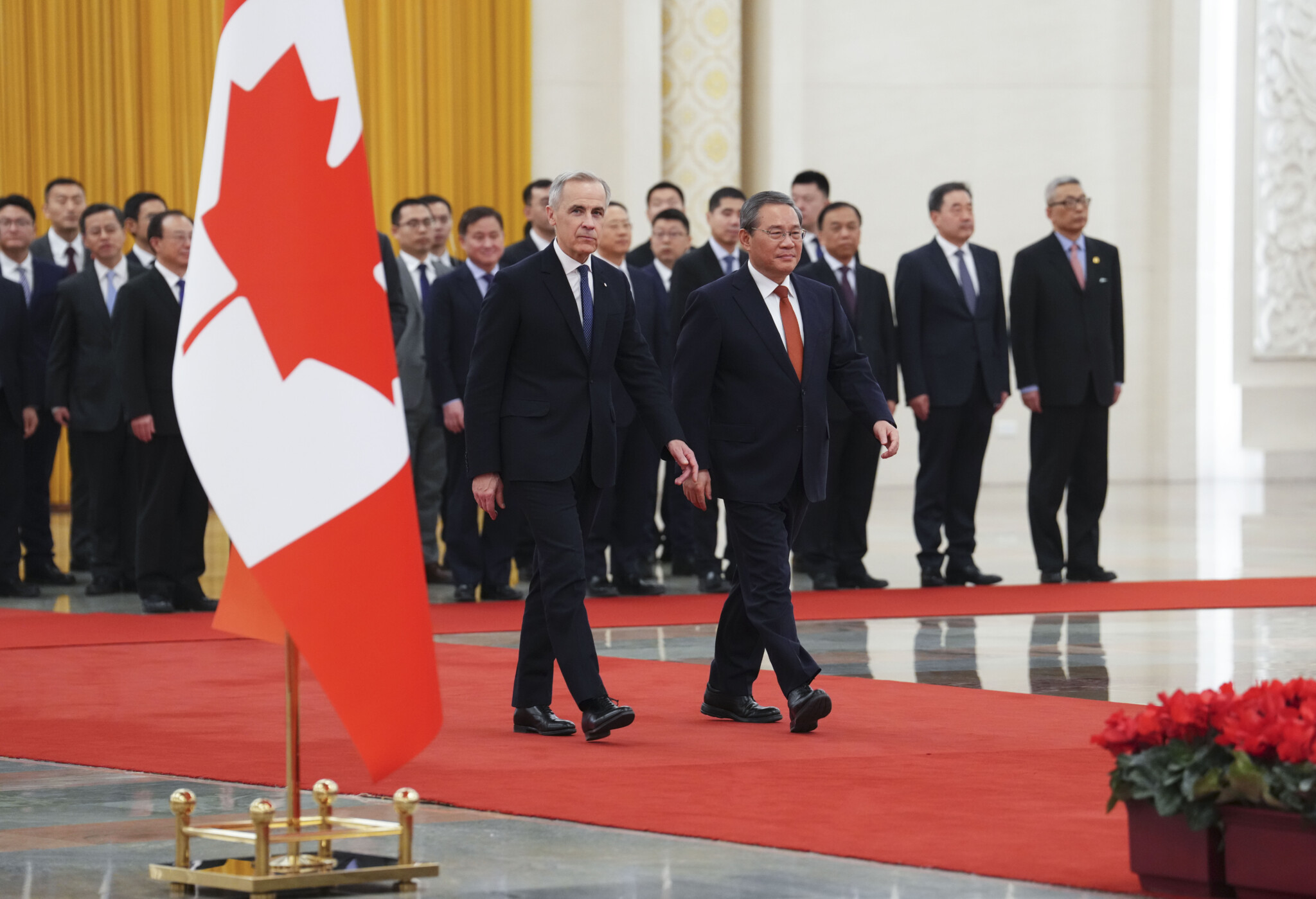
‘We’ve seen this movie before’: Why Carney is rolling out the welcome mat for Chinese state media
You can listen to this episode on Amazon, Apple, and Spotify.
Episode Description
The Canadian media landscape finds itself at a crossroads as journalists and news organizations grapple with fundamental questions about their role in holding power accountable while maintaining public trust. Recent developments have sparked introspection within the industry about coverage practices, workplace culture at major institutions, and the challenges of reporting in an increasingly complex political environment.
The journalism profession in Canada is confronting difficult questions about how news organizations operate both domestically and internationally. As Canadian journalists potentially face more challenging reporting environments abroad, media organizations are examining lessons from international news agencies that regularly work in less democratic settings. Simultaneously, questions arise about how foreign journalists will operate within Canada’s media ecosystem, adding another layer of complexity to an already evolving landscape.
The current news environment presents unprecedented challenges for journalists attempting to balance rigorous fairness and accuracy while avoiding both alarmism and naivety. The rapid pace of news cycles, combined with the complexity and concerning nature of many developing stories, makes this balance particularly difficult to achieve. These pressures affect how news organizations approach their fundamental mission of informing the public.
Internal workplace issues at major Canadian media institutions have also come under scrutiny. Allegations involving workplace practices at regional offices of national broadcasters have raised concerns about organizational culture and employee treatment. Claims about workplace accommodations, medical leave policies, and internal hiring practices have emerged, potentially causing as much damage internally among staff as externally with audiences. These revelations come at a time when media organizations are already facing challenges to their credibility and must manage both public perception and internal morale.

Despite these challenges, some positive developments are emerging in the Canadian media sector. Efforts to expand local news coverage through opening new bureaus and increasing reporting capacity represent welcome developments in an industry that has seen significant contraction in recent years. Local journalism remains critical to democratic function, and investments in this area signal recognition of its importance.
The media industry is also engaging in necessary self-reflection about past coverage of major national events. Recent court rulings have contradicted narratives that dominated media coverage of significant political developments, raising questions about how journalists and news organizations handled those stories. The characterization of certain movements and the framing of security concerns have not held up under judicial scrutiny, creating a disconnect between media narratives and legal findings.
This disconnect comes at a particularly challenging time for media credibility. With public trust in journalism already low, the gap between media coverage and subsequent court decisions demands acknowledgment and examination. The industry faces pressure to reconcile its reporting with emerging facts and to demonstrate accountability when coverage falls short of journalistic standards.
This is an automated summary. Please check against delivery.
Full Press discusses the federal government’s plan to make it much easier for Beijing-controlled media to operate freely in Canada following the prime minister’s trip to China, gets to the bottom of new allegations that the CBC has a “crying room” for stressed staff, and asks whether mainstream media covered the trucker convoy fairly now that the Federal Court of Appeal has ruled the Trudeau government’s use of the Emergencies Act was illegal.

Comments (0)