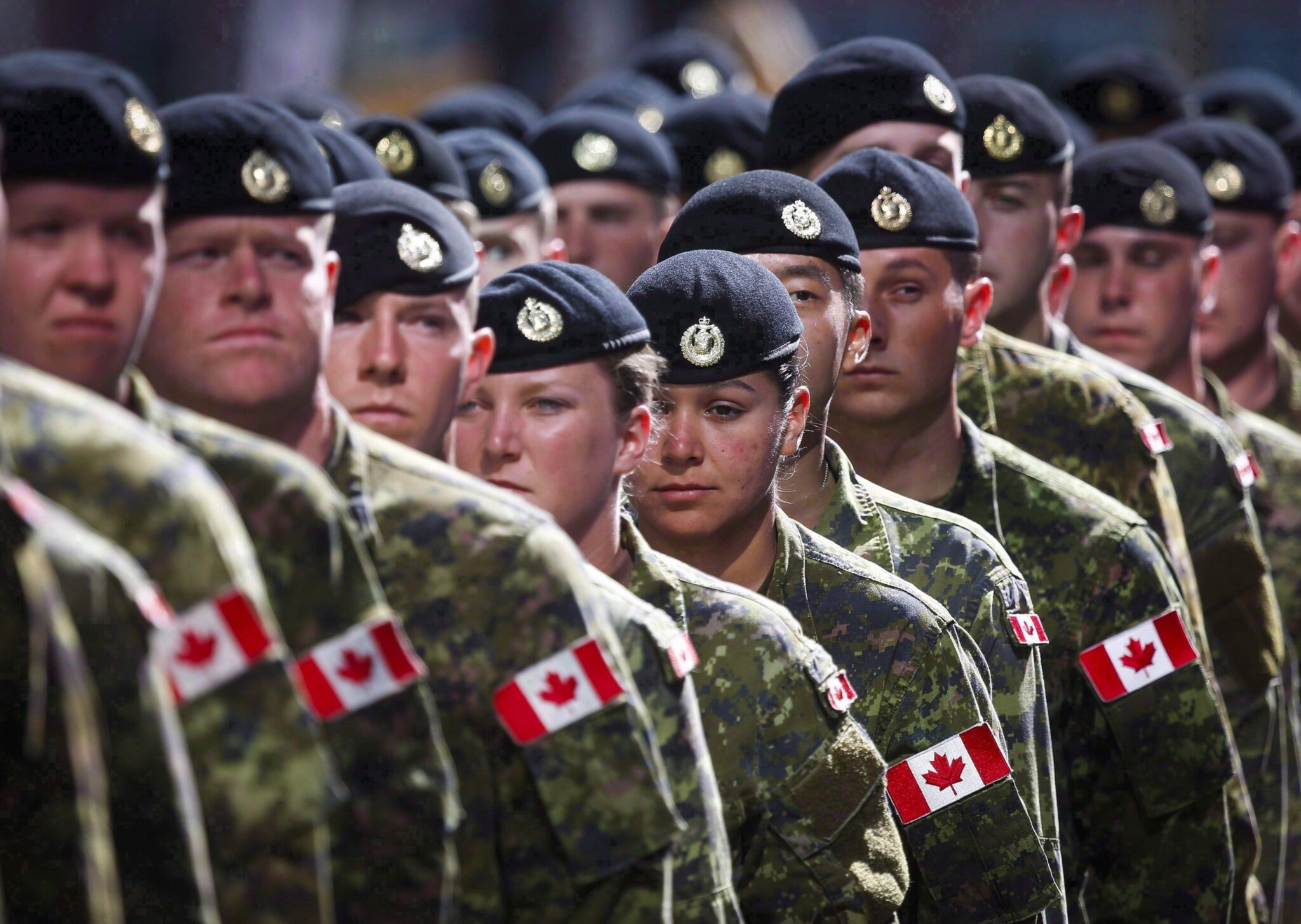
Compulsory military service in wartime has been one of the most controversial issues in Canadian history. In the Great War, though francophones and farmers fought it furiously, the government rammed conscription into effect. In the Second World War, francophones resisted once more, but the Mackenzie King government handled the politics much better, delaying overseas conscription until late 1944 and sending only a few thousand conscripts into action. During the early Cold War, as Canada rearmed, however, there were plans on the books for immediate conscription if war broke out with the Soviet Union, plans that fortunately remained unused.
Now, more than seven decades later, with tensions between Russia, China, the United States, and NATO increasing, there is talk in Canada (and in other nations too) of national service. A recent Angus Reid Institute poll asked for opinions on a range of service for young men and women in public health, environmental support, youth services, civil protection, and military service. There was more than 70 percent support for one year of service in the first four categories, but only 43 percent for military service.
In fact, proponents of national military service ought not to have been completely unhappy with this result, for only 44 percent opposed military service, with the remaining 12 percent undecided. In other words, half of those polled who offered a response approved of national military service of one year for young Canadian men and women. That approval rate suggests that Canadians are increasingly aware of global tensions and of Canada’s relatively defenceless state.

But not all was satisfactory in the responses. The young, those 18 to 34 years of age, were the least positive to military service, only 15 percent of males and 8 percent of females. As was true in the Second World War, polling demonstrated that older Canadians favoured compulsory service, but the young, those who would be drafted, were cool to the prospect. Broken down by region, the Atlantic provinces at 28 percent were the most positive to national military service today, the Prairies at 25 percent, Ontario at 21 percent, and Quebec, as given history might be expected, the lowest at 13 percent supportive.