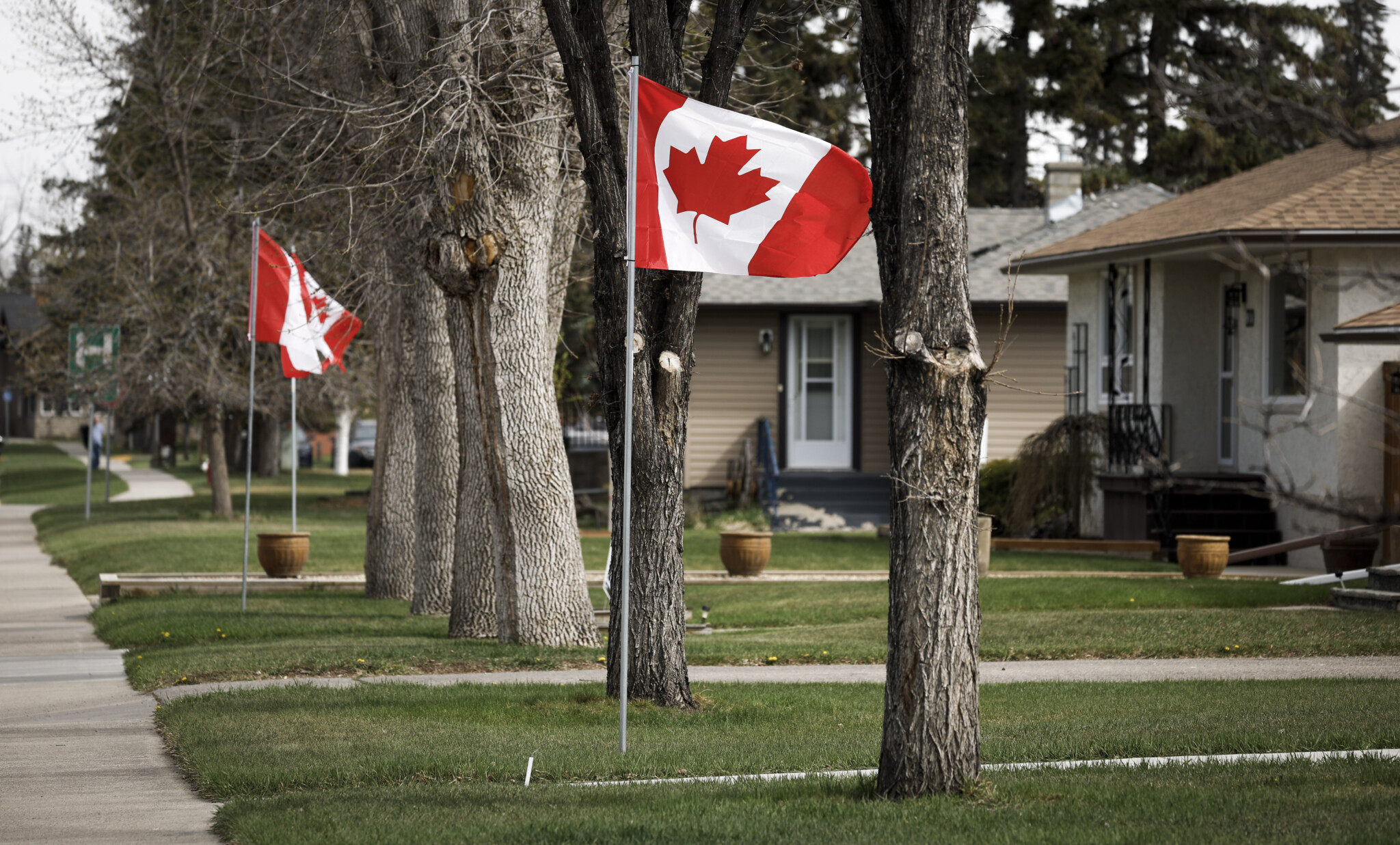
There is a reason that owning your own home is a key component of the proverbial “Canadian dream.” Homeownership provides stability, grows wealth, strengthens Canada’s middle class, and deepens community and civic engagement. A truly nation-building federal housing plan will, at its core, prioritize this goal.
The Carney government has an opportunity to course-correct from its predecessor’s narrow focus on rentals and non-market housing and instead embrace a more balanced approach with increased homeownership as a central goal. Unfortunately, the recent Build Canada Homes announcement missed the mark by doubling down on homes for some Canadians, but not for all.
Carney and his team must push back against the risky narrative that homeownership is a luxury good, out of reach for most. If left unchecked, it could hollow out the middle class and turn Canada into a nation of renters. For years, some prominent voices in housing policy have lamented the “glorification of homeownership.” They question the legitimacy of property rights, dismiss an “ownership class,” demonize profit in housing, and call for a dominant focus on social housing.
The prime minister should reject these ownership doomers—voices that either see the decline of homeownership as inevitable or want to accelerate it.
It need not be a zero-sum game. Renting and owning should both be viable options for Canadians. Here are four straightforward pivots the Carney government can make to bring owning a home within reach.

1. Ensure the Housing Accelerator Fund is serving its purpose
The federal government’s Housing Accelerator Fund (HAF) has announced 179 agreements worth $4 billion, forecasted to spur 750,000 new homes over the next decade.
But the HAF is meant to be more than dollars and starts. A key feature of the program is that federal funding is conditional on zoning reforms such as allowing four- or six-plexes as of right across entire municipalities.
The problem is that the new federal housing minister has been lax in enforcing these conditions, undermining the very point of the program. Toronto, for example, has flagrantly violated its HAF agreement by failing to permit six-unit buildings as of right, despite receiving $471 million in federal funds.
The federal government should set the tone and strictly uphold the HAF agreements. As Toronto has proven, carrots alone are not enough. Ottawa must also wield the stick to ensure outdated zoning barriers fall and affordable housing supply grows.

2. Broaden the GST rebate
The Liberals’ GST rebate for first-time buyers of new homes is far too narrow, applying to only a fraction of housing starts. Because most first-time buyers purchase resale homes rather than new builds, the policy misses the target. The Parliamentary Budget Officer estimates it will touch just 5 percent of new builds, or roughly 13,000 homes a year. Carney should follow the advice of the Missing Middle Initiative and expand the rebate to all owner-occupier purchases of new homes. That call would support 60,000 to 65,000 new homes annually.
While the Liberals and Conservatives have differed on what the cap on the rebate should be, the simplest fix is to apply the rebate to the first $1 million of any home, ensuring that no regional market is excluded.
Such a change would open doors for everyone: seniors could downsize more easily, families could upsize and free up starter homes, and first-time buyers could finally get a foothold. Expanding the GST rebate is a natural pro-ownership policy for the Carney government to adopt.
If the federal government wanted to give first-time home buyers an added boost, it could also match the land transfer tax rebates that already exist in provinces and cities—lowering the upfront costs that keep many families on the sidelines.
3. Lower the tax burden on all home building
Governments take the biggest cut from new home construction—taxes and fees now account for as much as 30 percent of the cost of a home. Municipal development charges make up a large share of this burden and have spiked sharply in recent years. In the Greater Toronto Area, for example, fees on a single detached home have increased substantially over the past decade, adding well over $100,000 to the cost of a new build.
In response, the Liberal campaign platform committed to cutting development charges in half for multi-unit residential housing and backfilling the loss for municipalities for five years. That may help apartment builders and renters, but it will not drive growth in homeownership. The Carney government should expand tax relief to all housing types, reduce the cost of building across the market, and enable more Canadians to get the keys to their own home.

4. Restore 30-year mortgage amortizations
Countless first-time buyers struggle to clear the mortgage hurdle. Extending insured amortizations back to 30 years and fixing the outdated stress test would responsibly bring monthly payments within reach and open the door to more Canadians.
Canada allowed 30-year amortizations on insured mortgages until 2012, and most comparable countries still do. Restoring them would give first-time buyers more breathing room—reducing monthly payments, improving their ability to qualify, and getting more Canadians into homes of their own.
The previous Liberal government took a first step in the right direction by allowing first-time buyers to access 30-year amortizations—but only when buying a new home. This is another niche approach given the small number of first-time buyers buying newly constructed homes.
It is time for the government to fully extend 30 amortization periods for insured mortgages for all homes, both existing and new. This will level the playing field, help more first-time buyers, and lower monthly mortgage costs at a time of increased financial stress. A modernized stress test—built in an era of ultra-low interest rates—would further ease the path to ownership.
Canada is in the depths of a housing affordability and supply crisis.
The Carney government has a chance to move beyond boutique policy measures with very narrow impact to broad-based, structural change to bring hope to aspiring homeowners, strengthen communities, and boost our economy.
These policy shifts would round out the government’s approach to housing by ensuring that the dream of homeownership once again becomes a reality for more Canadians.