

Fault Lines examines the pressures pulling Canadian society apart and the principles that can hold it together. We look beyond headlines to understand how institutions, communities, and democratic norms are fraying. Our mission is to show how better choices can repair what is broken.
The following roundup gathers the stories to watch this week as Canada continues to grapple with these widening rifts.
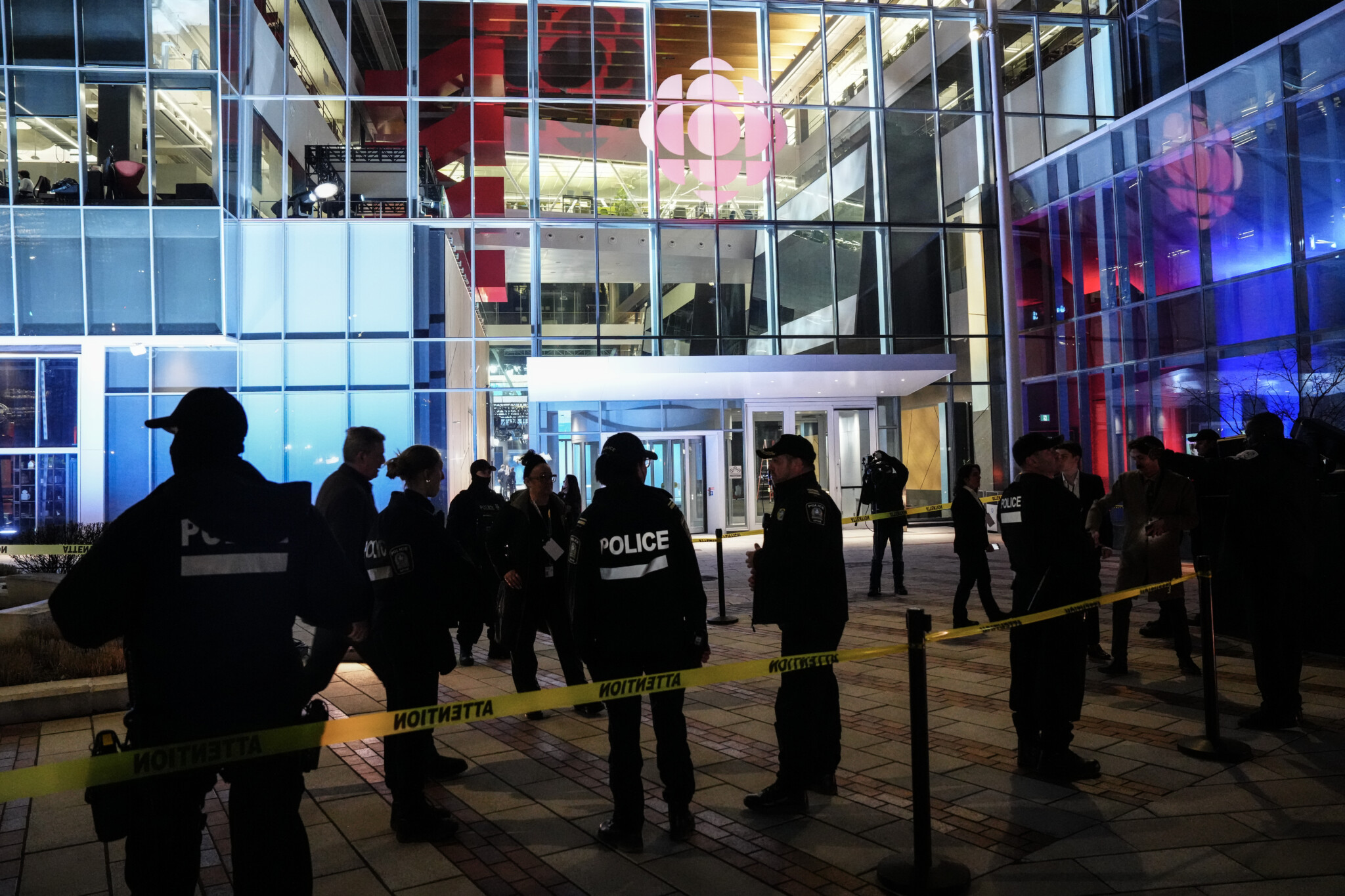
The CBC’s bias problem
Two independent reports released in recent weeks reach a strikingly similar conclusion about CBC coverage of the Israel–Hamas conflict. Whatever one thinks of the war itself, Canada’s public broadcaster is exhibiting a persistent and measurable structural skew. And Canadians deserve answers.
One report, commissioned by B’nai Brith Canada, analyzed nearly 300 CBC English-language digital stories and videos published between October 2024 and April 2025. Using a conservative, rule-based methodology, it found that 55.5 percent of items met the threshold for a pro-Palestinian orientation, while just 6.7 percent met the same threshold in a pro-Israel direction. Balanced or neutral coverage accounted for under 40 percent of the sample. When bias indicators appeared, they favoured Palestinian-aligned narratives roughly four times out of five across framing, sourcing, presentation, and contextual omission.
A separate AI-assisted narrative-framing analysis from Honest Reporting Canada reached closely aligned conclusions, identifying systematic asymmetries in emotional language, source selection, and causal framing. The point is not any single headline or journalist. It is the accumulation. Over hundreds of stories, patterns harden. Audiences absorb them whether they are intended or not.
This matters because all Canadians pay for the CBC. Public funding does not buy unanimity, but it does entitle citizens to expect balance, restraint, and institutional self-awareness, especially on issues that are already tearing at social cohesion

The allegations in these reports merit more than defensive press statements or internal memos. They warrant a transparent, formal inquiry, with clear terms of reference and findings available to all Canadians. That is how public trust is rebuilt, not eroded.
Those who claim to care about the CBC should be first in line calling for sunlight, not silence. Strong institutions do not collapse because they are examined; they collapse because they refuse to be.
The ugly truth is better than no truth at all
The British inquiry into the decision to bar Maccabi Tel Aviv supporters from a Champions League match against Aston Villa last November was a messy spectacle. But it was also painfully revealing.
West Midlands Police had intelligence that Israeli fans were likely to be targeted by hostile local Muslim groups ahead of the Nov. 6, 2025, match. That should have shaped planning and security decisions, not to mention a self-examination of what is going on in British society. Instead, police and political leadership chose to respond to the uncomfortable reality by manufacturing an alternative explanation that would sound more neutral, more palatable, and less politically combustible.
There are critical issues facing Canadian society: the CBC’s alleged anti-Israel bias, a lack of transparency in institutional decision-making exemplified by the handling of a tennis match incident, and the ongoing problem of a “revolving door” criminal justice system. Independent reports suggest the CBC exhibits a structural skew in its coverage of the Israel-Hamas conflict, favouring pro-Palestinian narratives. These points contrast a British inquiry into a sports match ban with Canada’s lack of accountability for a similar event. Finally, recent cases of individuals with serious criminal histories being granted bail put into question the effectiveness of current bail laws.
Should public broadcasters like the CBC undergo independent reviews for bias?
How does the article contrast the UK's inquiry into a sports match ban with Canada's handling of similar events?
What concerns does the article raise about Canada's bail system?





Comments (0)