
British Columbia’s Premier David Eby has long opposed the development of new energy export infrastructure from Alberta to the B.C. coast. Nearly a decade ago, for example, while serving as the province’s attorney general, he actively opposed the now-completed expansion of the Trans Mountain pipeline project.
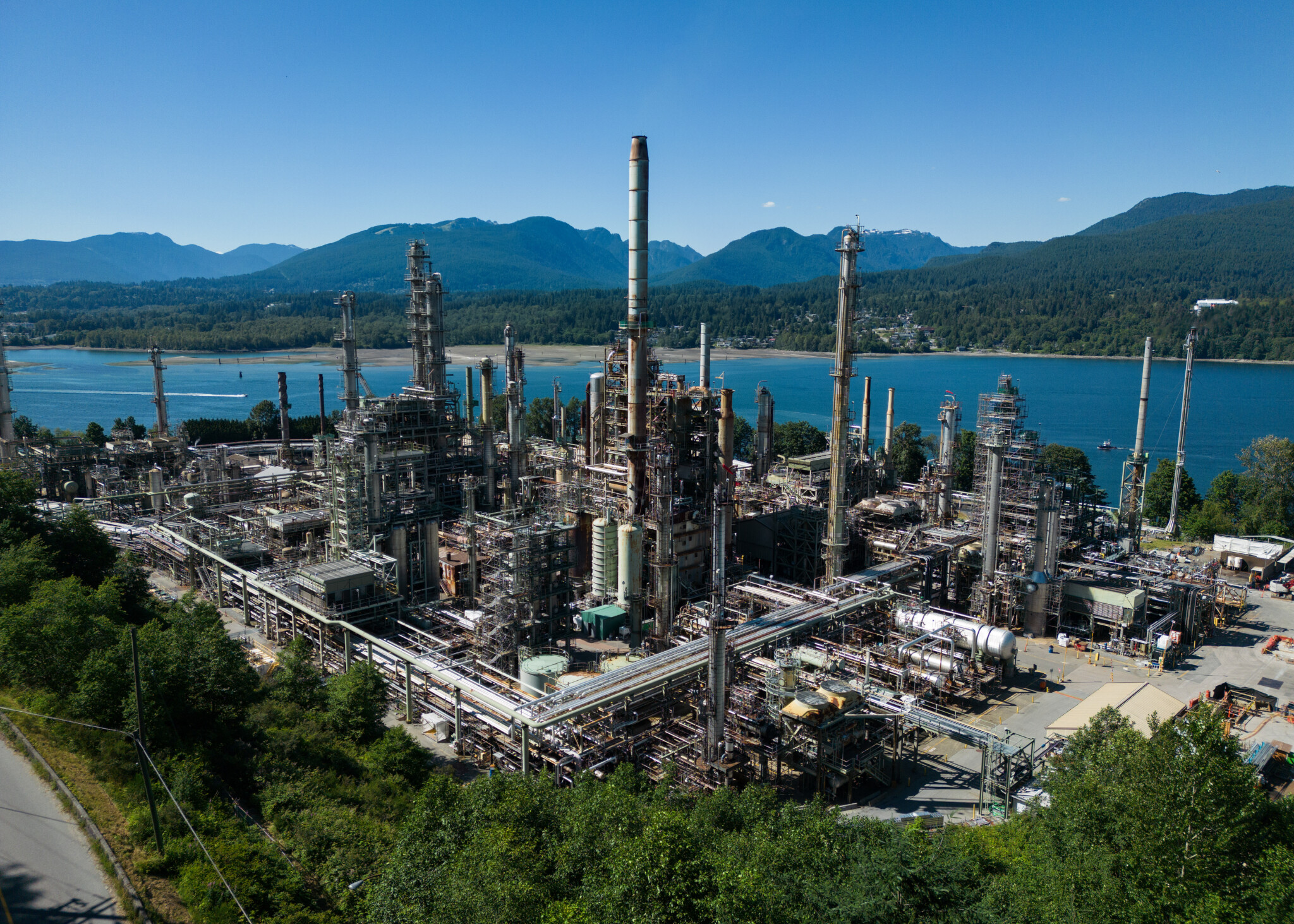
And earlier this month, Premier Eby floated what some might see as a surprising alternative. “If we’ve got tens of billions of dollars to spend,” he said, “I think we should spend it on a refinery. We should develop oil products for Canadians and for export instead of being reliant on American and Chinese refineries to do it for us.”
On a recent episode of Alberta Edge, Keerit Jutla, CEO of Jutla Strategies, critiqued this suggestion and discussed all of its challenges—emphasizing that a refinery is not a substitute for a pipeline.
But there’s another problem with this idea. It plays on what, to many Canadians, sounds like an intuitive and logical idea: that these kinds of projects are often described as “value-added,” as though the extraction and export of raw natural resources somehow are not.
We even see this in Alberta, where subsidizing refineries and other petrochemical processing facilities is common across premiers of all political stripes.
To many Canadians, it just makes sense. Why, indeed, should “American and Chinese refineries do it for us”? The lament that Canada is merely a “hewer of wood and drawer of water” reflects this view. But this view is wrong. It is based on a misunderstanding both of what “value-added” means and of where value truly comes from.

A better way to think
First, let’s cut through the economic jargon.
“Value-added” doesn’t just mean turning one thing into another. It refers to the income generated from an economic activity: the wages paid to workers, the returns to capital owners, rents to landowners, and so on. Technically, it’s the revenue from an operation minus the cost of intermediate goods and services used in production.
The total value-added across Canada’s economy is essentially equivalent to its GDP. The only distinction lies in how we account for depreciation—a detail that need not concern us here.
The notion that building more refineries in Canada would be a “value-added” improvement over raw resource extraction should be critiqued. “Value-added” refers to income generated, and data shows resource extraction, like oil sands, generates more value-added per dollar of output than petroleum refineries. Subsidizing refineries would misallocate resources, shifting them from higher-value to lower-value activities, potentially shrinking Canada’s economy. While rare market failures might justify subsidies, Premier Eby’s proposal and similar ideas are based on a misunderstanding of economic value and that markets are generally effective at allocating resources.
Is building more refineries truly 'value-added' for Canada, or a misallocation of resources?
Could pipeline congestion justify refinery subsidies, as suggested by the article?
Should Canada prioritize resource extraction exports or domestic processing, based on economic value?






Comments (12)
The beauty of guys like David Eby, Trudeau and now Elbow-zo is that you simply need to do the opposite of what they suggest. If Eby thinks it’s a good idea to have a refinery, you can bet that it would be a disaster.