
Review of On Liberalism: In Defense of Freedom (The MIT Press, 2025), by Cass Sunstein.
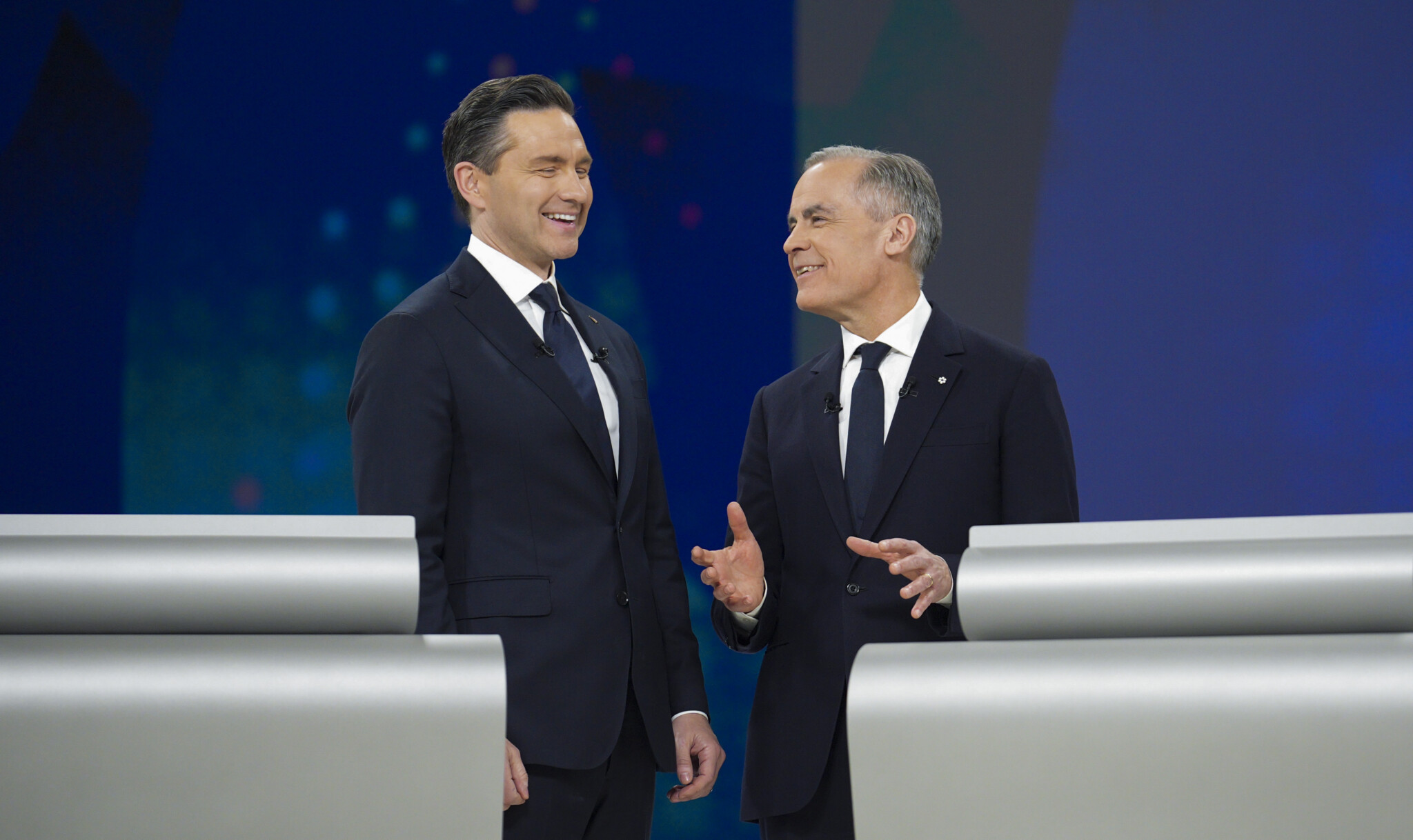
Let me make the case. When Mark Carney succeeded Justin Trudeau as prime minister, whispers quickly spread that the former Bank of Canada governor was a conservative wolf in Liberal clothing, methodically dismantling his predecessor’s progressive legacy and moving his party to the Right.
A year in, the evidence points elsewhere: Canada’s major parties are converging on shared liberal terrain where their battles are more stylistic than substantive.
After reading On Liberalism by Cass Sunstein and listening to Conservative leader Pierre Poilievre’s speech at the Calgary convention in late January, I saw the Conservative leader’s views align with traditional liberalism, which is crucial for understanding current Canadian political dynamics.
Sunstein illuminates this shift.

He recasts liberalism beyond partisan lines, rooting it in core commitments: freedom, democracy, human rights, pluralism, security, rule of law, and private property. This shifts the scope of who is a liberal wide open. The definition of liberalism spans John Stuart Mill and John Rawls to Milton Friedman and Friedrich Hayek; Franklin Roosevelt to Margaret Thatcher; Adam Smith (yes, he was a liberal) to Pierre Elliott Trudeau and Charles Taylor. To Sunstein’s view, they are all united not by policy blueprints but by faith in open debate, individual rights, and constitutional legitimacy.
In short, they form liberalism’s broad church and essential character, which centres on individual freedom.
By this measure, Carney and Poilievre are fellow travellers under a liberal philosophy. Both embrace elections, the rule of law, markets, and personal liberty within the bounds of non-harm to others.
But not everyone is invited into the liberal tent.
Patrick Luciani reviews Cass Sunstein’s On Liberalism, arguing that Canadian politics are converging on a shared liberal foundation. Despite perceived differences, leaders like Mark Carney and Pierre Poilievre operate within a broad liberal framework emphasizing freedom, democracy, and the rule of law. The real divide lies between those embracing these principles and those rejecting them in favour of revolutionary ideologies. While liberals favour proactive policy interventions, conservatives prioritize tradition and caution against unintended consequences. Ultimately, Canadian political debates are now largely about adjustments within a broadly accepted liberal consensus, rather than fundamental ideological clashes.
If Canadian parties agree on core liberal values, what drives their policy disagreements?
How does Sunstein's definition of liberalism broaden its scope, and who does it exclude?
Given the convergence on liberalism, what are the potential implications for Canadian policy and political discourse?






Comments (0)