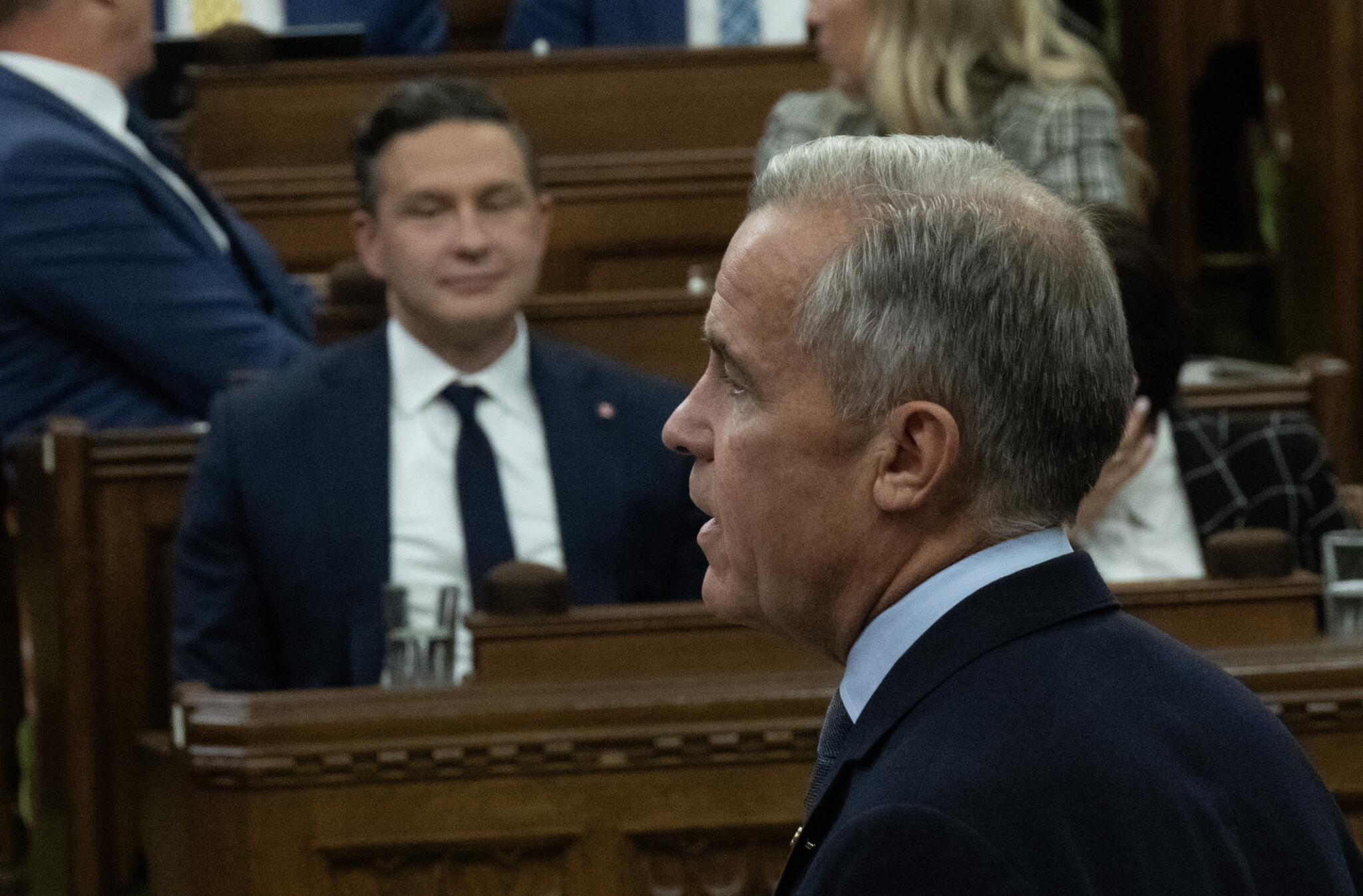
‘Oddly, it might benefit Poilievre’: Hub Politics break down Carney’s latest floor-crossing coup
You can listen to free versions of this episode on Amazon, Apple, and Spotify.
Episode Description
In this episode of Hub Politics, Sean Speer is joined by Amanda Galbraith, co-founder and president of Oyster Group, and David Coletto, founder and CEO of Abacus Data, to discuss the political implications of Conservative MP Matt Jeneroux’s floor crossing to the Liberals, examining how it affects Prime Minister Mark Carney’s path to a majority, and Pierre Poilievre’s electoral prospects.
In the second half of the show, they discuss Conservative MP Jamil Jivani’s controversial Washington trip and what it reveals about tensions within the Conservative caucus.
If you liked what you heard in the first half of the program and wish to subscribe to full-length editions of Hub Politics, please consider becoming a Hub Hero. Hub Heroes also get access to all our paid content on TheHub.ca. All these benefits are conferred for one year. Sign up now!

Episode Summary
Canada’s political environment has entered a period of uncertainty as questions emerge about electoral timing and party leadership dynamics. The current political calculus involves complex considerations about when an election might best serve different parties’ interests, with the timing potentially determining the future direction of Canadian politics for years to come.
The Conservative Party faces a particularly delicate situation regarding its leadership trajectory. Despite recent party conventions demonstrating strong internal support for current leadership, the possibility of an early election presents strategic challenges. An election held in the near term could potentially result in a Liberal majority government, which would likely trigger leadership changes within the Conservative ranks. This dynamic creates an unusual scenario where delayed electoral timing might actually benefit Conservative long-term prospects, even as party members express frustration about remaining in opposition.
The Reform Act provisions adopted by the Conservative Party add another layer of complexity to internal party dynamics. While these provisions provide mechanisms for caucus members to influence leadership decisions, there appears to be limited appetite within the party for such dramatic moves at present. The balance between democratic accountability within party structures and leadership stability remains an ongoing consideration in Canadian political life.
Cabinet composition and ministerial effectiveness have emerged as topics of political discussion, with questions raised about whether current government structures adequately serve executive decision-making needs. The challenges of maintaining fresh perspectives while managing complex policy files present ongoing difficulties for any long-serving government. The exhausting nature of government service and the risk of losing perspective over time affect how administrations function and communicate with the public.
External pressures have significantly influenced Canada’s political climate in recent months. International tensions and perceived threats to Canadian sovereignty have created moments of national unity and elevated public attention to foreign policy matters. These external factors have contributed to shifts in public sentiment, demonstrating how international developments can rapidly reshape domestic political landscapes. The interplay between external threats and domestic political positioning has become increasingly important in shaping public opinion.
Parliamentary productivity has become another focal point of political debate. Questions about legislative output and the effectiveness of current parliamentary arrangements provide potential grounds for electoral arguments. The cooperation or lack thereof between different political parties in advancing legislation affects perceptions of governmental effectiveness and could influence decisions about electoral timing.
Public reception of international diplomatic efforts has proven more significant than initially anticipated by some political observers. Canadians’ response to their country’s representation on the world stage has demonstrated the continued importance of international prestige and diplomatic standing in shaping domestic political fortunes. The connection between international respect and domestic political support remains a powerful force in Canadian politics.
This summary was prepared by NewsBox AI. Please check against delivery.


Comments (0)