‘The risk is worth taking’: Why increased Canada-China trade is a big boost for Western Canada
You can listen to this episode on Amazon, Apple, and Spotify.
Episode Description
A recently concluded trade agreement between Canada and China has generated significant discussion across the country, with reactions ranging from cautious optimism to serious concern about national security implications. The deal has placed Western Canadian interests at the forefront of national trade policy in ways that mark a departure from historical patterns.
The agreement has drawn particular attention for its focus on sectors critical to Western Canada’s economy, notably agriculture and energy. This represents a shift from previous trade negotiations where Western industries were sometimes sidelined in favor of manufacturing sectors concentrated in Central Canada. The prominence of agricultural interests in the final agreement has been welcomed by provincial leaders in the Prairie provinces, who view the deal as recognition of their economic priorities.
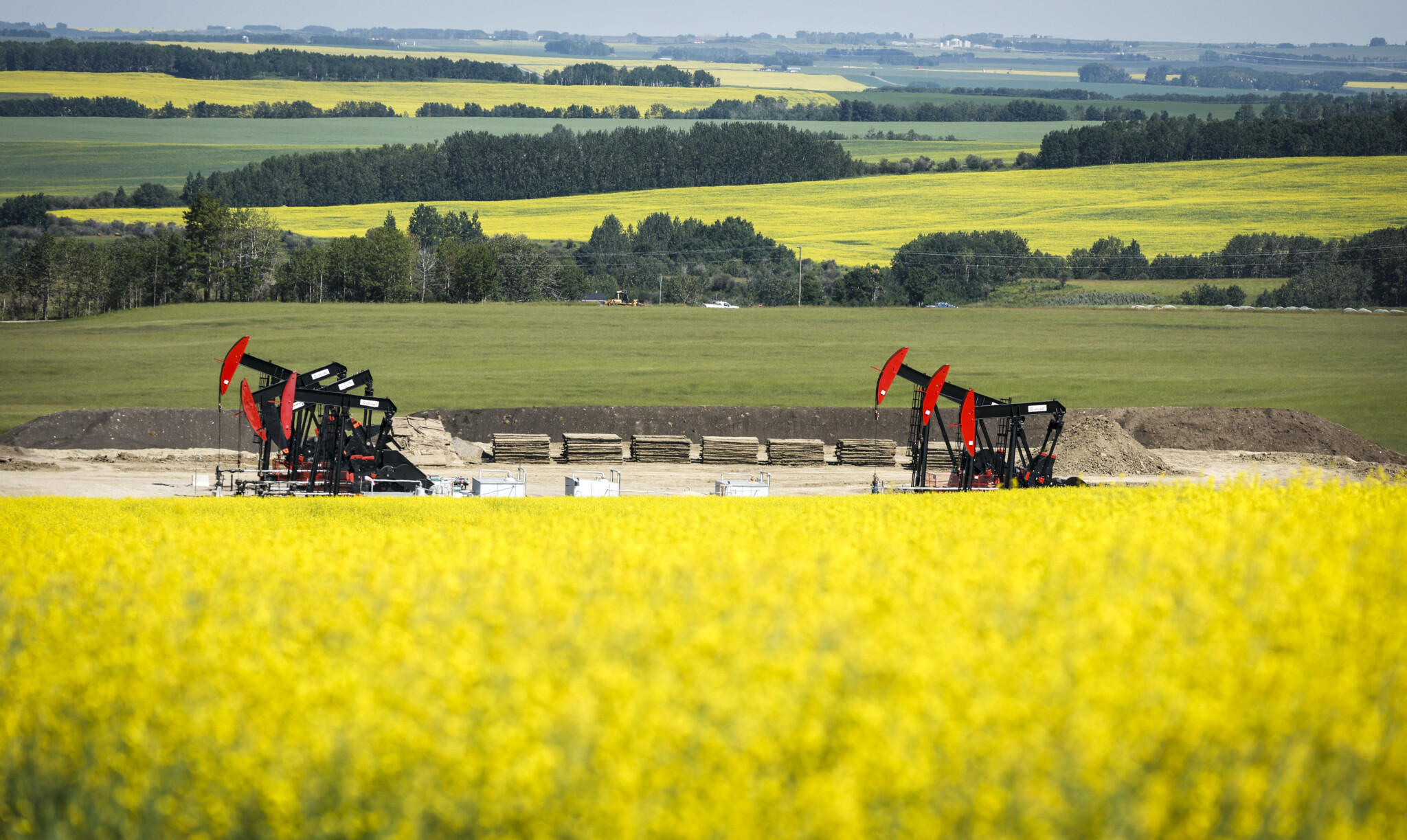
A key component of the agreement involves energy cooperation, with provisions for increased Chinese purchases of Canadian oil and gas over the long term. This aspect of the deal has reignited discussions about pipeline infrastructure and market access for Canadian energy products. The energy sector views these commitments as validation of the need for expanded export capacity to reach Asian markets.
An important technical dimension of the energy agreement relates to the specific uses of Canadian heavy crude oil. Much of this product serves the petrochemical industry rather than being refined into transportation fuels. This distinction carries significance as China continues its transition toward renewable energy for power generation and transportation, while maintaining substantial demand for petrochemical feedstocks used in manufacturing plastics, synthetic materials, and other industrial products.

The deal has not escaped criticism on multiple fronts. Concerns have been raised about the diplomatic approach taken during negotiations, particularly regarding relationships with other key Asian partners. Questions have emerged about whether the sequencing of diplomatic engagement could have been handled differently to maintain broader regional relationships.
More substantial criticism centers on national security considerations and the implications for Canada’s relationship with Taiwan. Critics argue that the agreement may have compromised Canadian values and strategic interests in pursuit of economic gains. There are also concerns about potential reactions from the United States, particularly given the current American administration’s approach to China policy and trade relationships.
The timing of the agreement adds another layer of complexity, as it comes during a period when the North American trade framework faces its own uncertainties. The potential impact on upcoming continental trade negotiations remains an open question, with observers divided on whether the China deal strengthens or complicates Canada’s position in those discussions.
The physical presence of senior Canadian officials during negotiations has been noted as significant, suggesting a level of commitment to the agreement that goes beyond routine trade discussions. This high-level engagement reflects the importance placed on securing market access for Western Canadian products.
As the details of the agreement continue to be analyzed, the fundamental question remains whether the economic opportunities outweigh the strategic risks. The deal represents a significant policy decision that will likely influence Canadian trade strategy and international relationships for years to come, particularly as global economic alignments continue to shift and evolve.
This is an automated summary. Please check against delivery.
Gary Mar, President and CEO of the Canada West Foundation, discusses Canada’s new trade deal with China. He examines whether the agreement balances economic opportunity with national security concerns, and its significance for Western Canada’s agriculture and energy sectors. He addresses criticisms of the trade deal in light of Taiwan and potential U.S. retaliation, and argues the deal represents progress while cautioning against over-reliance on any single marketplace.
Does the Canada-China trade deal prioritize Western Canadian economic interests over national security?
How might the new Canada-China trade agreement impact Canada's relationship with the United States?
What is the significance of China's demand for Canadian heavy crude oil, given its energy transition?

Comments (0)