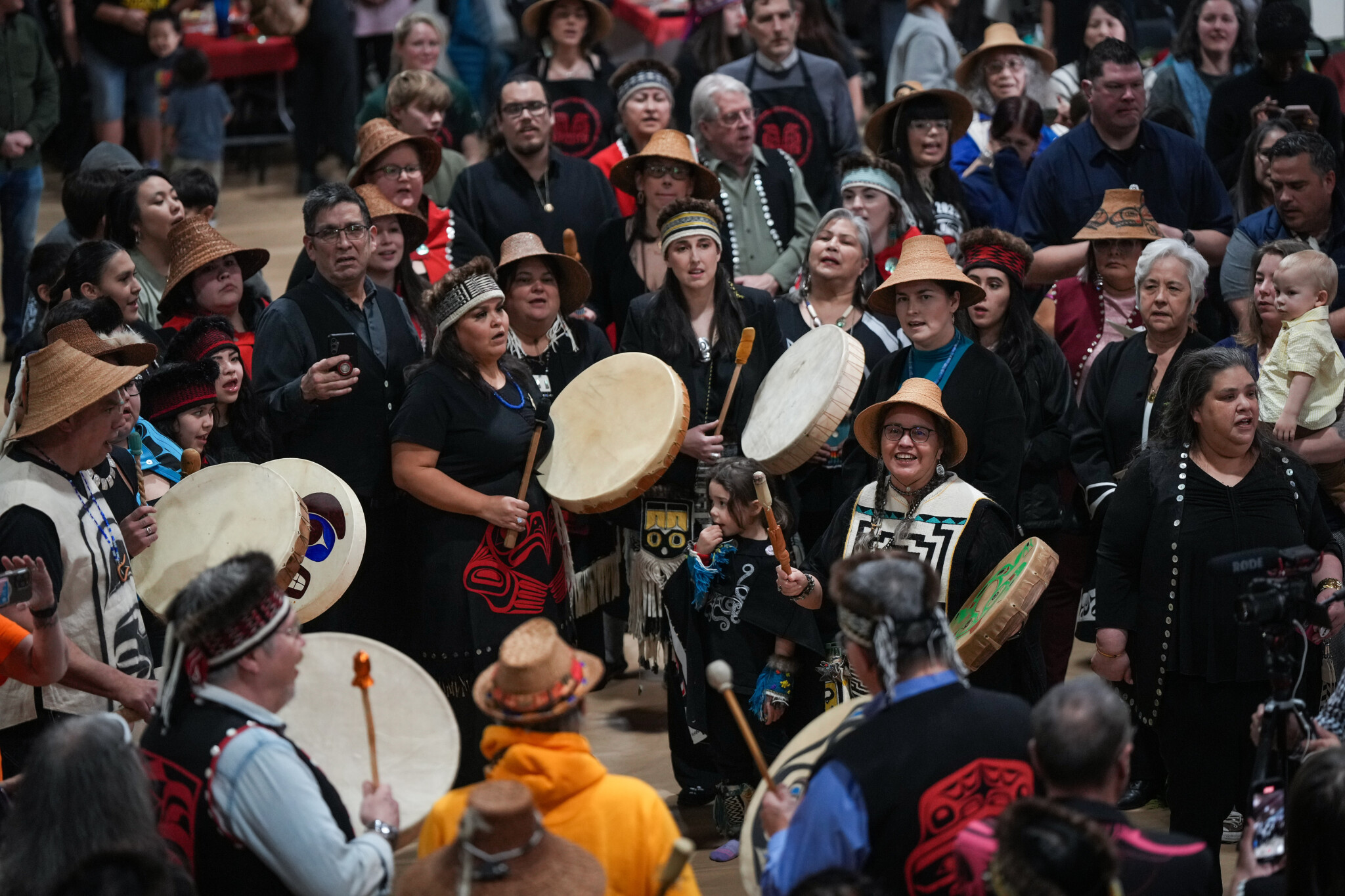
The B.C. Supreme Court decision to affirm Aboriginal title claims to the Haida Nation of the entire archipelago of Haida Gwaii—made last Friday, but not released publicly by the court as of this Thursday—may have future consequences for Canadian private property owners in the area and other cases.
The Haida Gwaii, formerly called the Queen Charlotte Islands, are a chain of about 150 islands, approximately 10 thousand kilometres in size.
“Certainly the Haida [Nation] have received through this Aboriginal title to all of Haida Gwaii, and that could end up yet overriding the private property. We’ll have to see,” said University of Saskatchewan constitutional law professor Dwight Newman to The Hub.
“[A] judge essentially [made] a declaration of that Aboriginal title in a way that probably constitutionally entrenches it. Now it doesn’t directly affect other settings in Canada, but it sets a sort of informal precedent of governments agreeing to a very sizable aboriginal title claim,” Newman added.
The three-page court order states that within 24 months, the Haida Nation will receive Aboriginal title over Gwaii Haanas National Park Reserve of Canada, Gwaii Haanas National Marine Conservation Area Reserve, Haida Heritage Site, and any “estate, right, title or interest held or granted by Canada on Haida Gwaii Terrestrial.”
The land deal states private property ownership (fee simple, or freehold ownership of land in Canada) remains recognized. However, critics believe that future negotiations could result in Aboriginal title superseding property rights in conflicting claims to the land.
“Property rights are not protected under our constitution, but Indigenous rights are,” said B.C. Conservative Leader John Rustad on Tuesday. “We are seeing today a tremendous amount of instability and uncertainty because people no longer know what your private property rights are in British Columbia.”
“I think it is dangerous to stoke that fear in the public,” responded Haida Nation President Gaagwiis on Tuesday, “Indigenous people have been more than accommodating.”

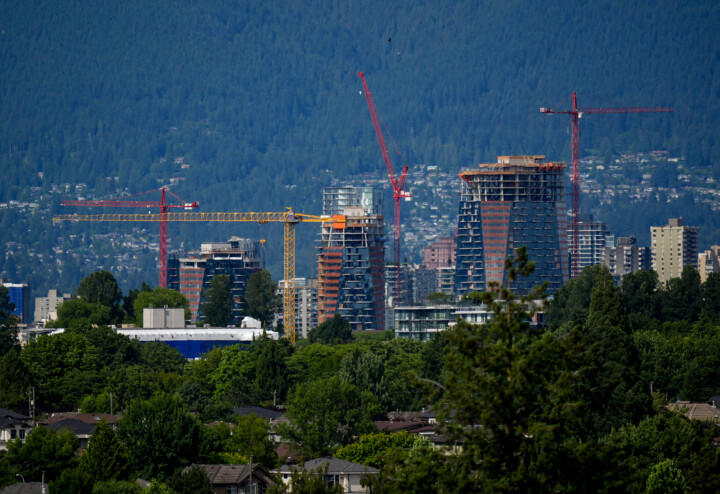
The latest court decision comes on the heels of last month’s controversial B.C. Supreme Court ruling that a stretch of land in Richmond is now confirmed to be Cowichan Aboriginal title. The area of land includes multimillion-dollar homes, blueberry farms, an 18-hole golf course, and private businesses. The City of Richmond, the provincial government, and another First Nation are appealing the Cowichan ruling.
Back in 2021, the Liberal government passed Bill C-15, which enshrined the UN Declaration of Indigenous Rights (UNDRIP) into law, enabling more Indigenous land claims.
“If there are other situations in the country where the big Aboriginal title claims, people will probably be looking to this as an example of what a First Nation received and seeking something similar,” Newman said about the latest court order.
The initial “Rising Tide” agreement was initially signed in April 2024 by the B.C. government and the Council of the Haida Nation.
“It looks like they were trying to have the [land owners and First Nations] coexist, but there have been a lot of questions raised about that all along the way, and we may get clarification from the courts on how they see Aboriginal title and fee simple fitting together,” Newman said.
“Notably, while the Rising Tide Agreement attempts to say that existing fee simple interests (private property interests) on Haida Gwaii continue to exist, that may cease to be the case depending on what happens in upcoming litigation [of the Cowichan decision] about the intersection of Aboriginal title and fee simple interests,” Newman added on his Substack.

Graeme Gordon is The Hub's Senior Editor and Podcast Producer. He has worked as a journalist contributing to a variety of publications, including CBC,…