There are beginning murmurings that Canada should get out of the North American Aerospace Defence agreement (NORAD). Given the Trump administration’s hostile tone—its 51st state suggestions, its tariffs, and its growing concerns with Arctic defence—the United States has become a difficult partner and a threat to Canadian sovereignty. But would this be a sensible decision for Ottawa to make?
Not at all. In the first place, NORAD is a joint alliance to defend North America against Russian, Chinese, or other potential attackers. Canada provides aircraft, radars, personnel, and expertise to this role that serves our national interests. It would be a grave error to scrap NORAD and to take on the role of defending our part of North America on our own. It would also be hugely expensive.
The problem, however, is that the Trump administration is right: Canada is, in fact, not doing enough today to defend our portion of North America and protect our sovereignty in the region.

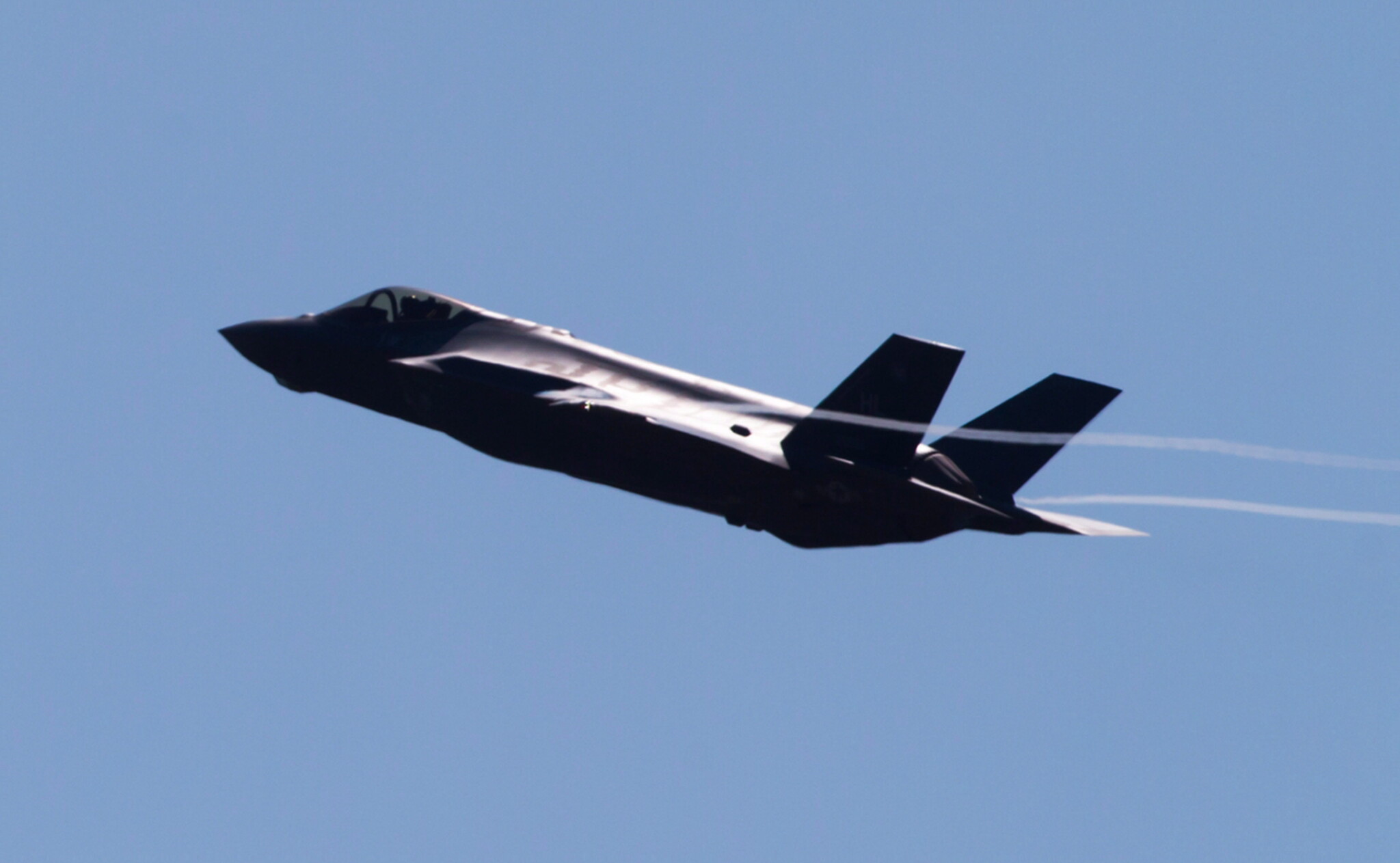
The Royal Canadian Air Force has 1980s vintage CF-18s flying patrols and occasional larger surveillance aircraft monitoring traffic in Arctic waters; there are snowmobile and ATV patrols of Canadian Rangers armed with rifles; and a few army exercises in the north each year. The Royal Canadian Navy has a half dozen new Arctic Offshore Patrol Vessels that have limited utility in Arctic waters and are very lightly armed, and the Canadian Coast Guard (CCG) has only one 66-year-old icebreaker capable of clearing thick ice. The CCG is now under the authority of the Department of National Defence, but its members, unlike those in the Canadian Armed Forces, are unionized, and its vessels are unarmed. This could be a problem in a conflict.
Yes, Ottawa has promised to do more. The Trudeau government agreed to the $38.6 billion NORAD Modernization Plan, which includes the new Northern Approaches Surveillance System featuring the Arctic Over-the-Horizon Radar and a Polar Over-the-Horizon Radar, enhancing early warning and threat tracking from the North for air and maritime threats. These systems will not be fully operational until the 2040s.